


Sep . 30, 2025 09:55 Back to list
Cast Iron Steel Pipe: Durable, Precise 4in OD—Why Choose Us?
A Field Note On cast iron steel pipe Supply, Specs, and Real-World Use
If you spend enough time around waterworks yards and fabrication shops, you learn that pipe isn’t just “pipe.” It’s policy, testing, coatings, defects you don’t see until a pressure stand, and—sometimes—the difference between a quiet night and a boil-water notice. The global market for cast iron steel pipe is shifting: utilities are pushing for longer service life, contractors want faster installs, and buyers are increasingly picky about coatings and traceability. To be honest, it’s a good thing.
What’s Trending
- Shift to ductile iron (ISO 2531 / EN 545) for potable water and steel (ASTM A106/A53, API 5L) for high-pressure or welded systems.
- Thicker zinc-aluminum metallized coatings plus epoxy or PU topcoats for coastal projects.
- More NDT: UT on seam-welded steel and microstructure checks (nodularity) on ductile iron.
Quick Specs (Typical Ranges)
| Parameter | Ductile Iron (DI) | Carbon Steel |
|---|---|---|
| Nominal size | DN80–DN2000 (≈3"–80") | DN15–DN2400 (≈1/2"–96") |
| Pressure class | PN10–PN25 (real-world may vary) | SCH 20–XXH or PSL1/2 |
| Ends | Tyton spigot/socket, flanged | Plain bevel, flanged, grooved |
| Internal lining | Cement-mortar per AWWA C104 | Epoxy/3LPE/3LPP per project |
| External coat | Zinc (≥130 g/m²) + epoxy/bitumen | FBE/3LPE/galv. (site dependent) |
Process Flow (Shop Floor Reality)
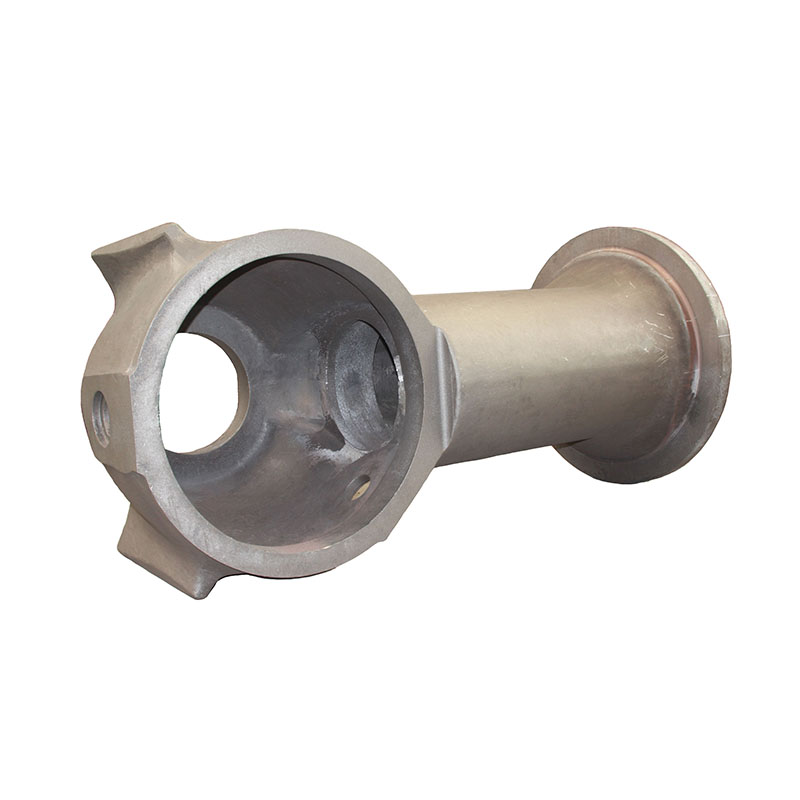
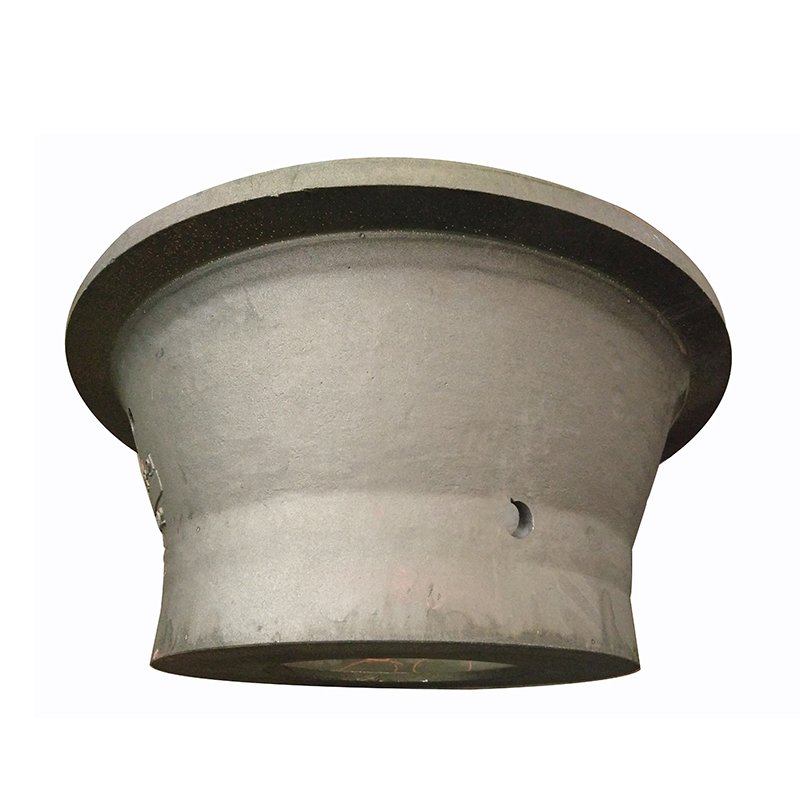
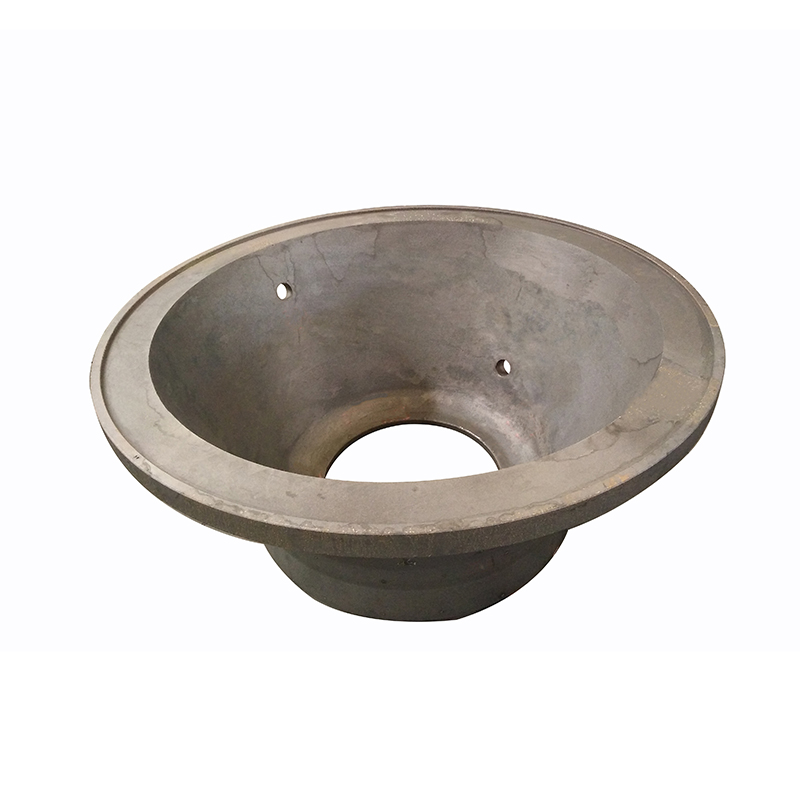
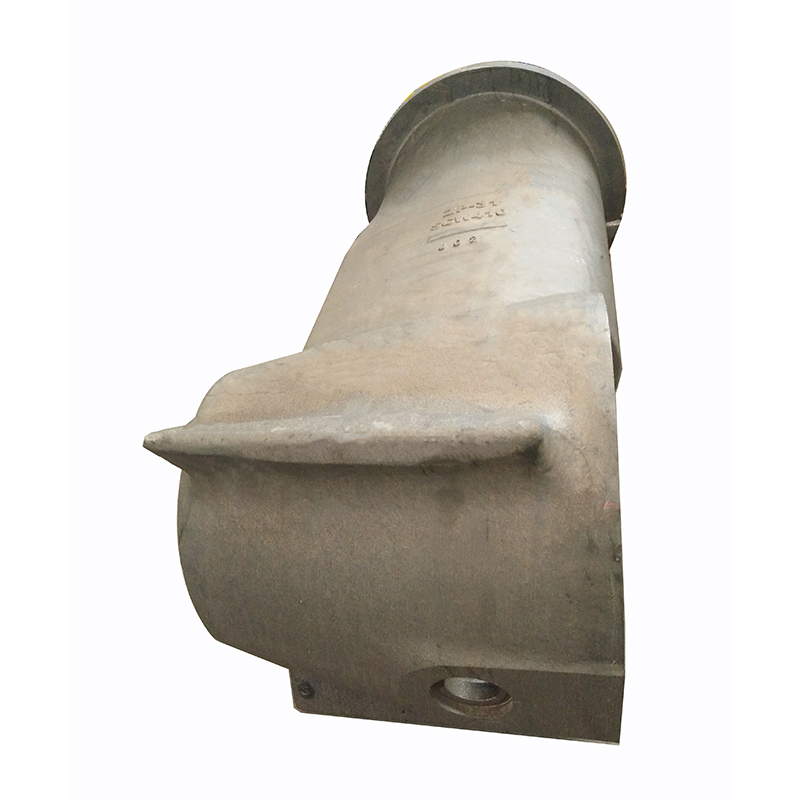
Materials: DI uses low-S, low-P iron with Mg treatment (nodularity ≥85% is common). Steel pipe spans ASTM A106 Gr.B/C and API 5L Gr.B–X65. Methods: centrifugal casting for DI; ERW or SAW for steel. Many shops, including CASiting in Hebei (RM315, Baihui Building, No.57 Sizhong Road…), are sand-casting pros—fun fact, they also pour SCW410 alloy steel for marine gearbox housings up to ~1000 kg, which says a lot about their metallurgy discipline.
Testing: hydrostatic at 1.5× PN for 15 min; UT/RT on welds; Brinell hardness (ASTM E10); microstructure per ASTM A247 for DI; dimensions to ISO 4065; coating holiday test per ISO 21809. Typical service life: ≈50–100 years with correct bedding and coatings.
Vendor Snapshot (What Buyers Ask First)
| Vendor | Certs | NDT | Lead Time | Customization |
|---|---|---|---|---|
| CASiting (Hebei, CN) | ISO 9001; can align to AWWA/EN | UT, hydro, microstructure | ≈4–8 weeks | OEM/ODM, flanges, coatings |
| EU Mill A | ISO 14001/45001; EN 545 | UT/RT; PMI | 6–10 weeks | High mix, smaller MOQ |
| Regional Fabricator B | ISO 9001 | Hydro; basic UT | 2–6 weeks | Cut-to-length, grooving |
Applications, With a Few War Stories
Water distribution and fire mains love cast iron steel pipe for toughness and restrained-joint options. In coastal marinas, steel with 3LPE plus cathodic protection survives the brackish bite. One coastal township we followed swapped 2.5 km of 400 mm DI (zinc + epoxy) into acidic soil; two years in, leak calls dropped by 82%—operator’s words, not mine.
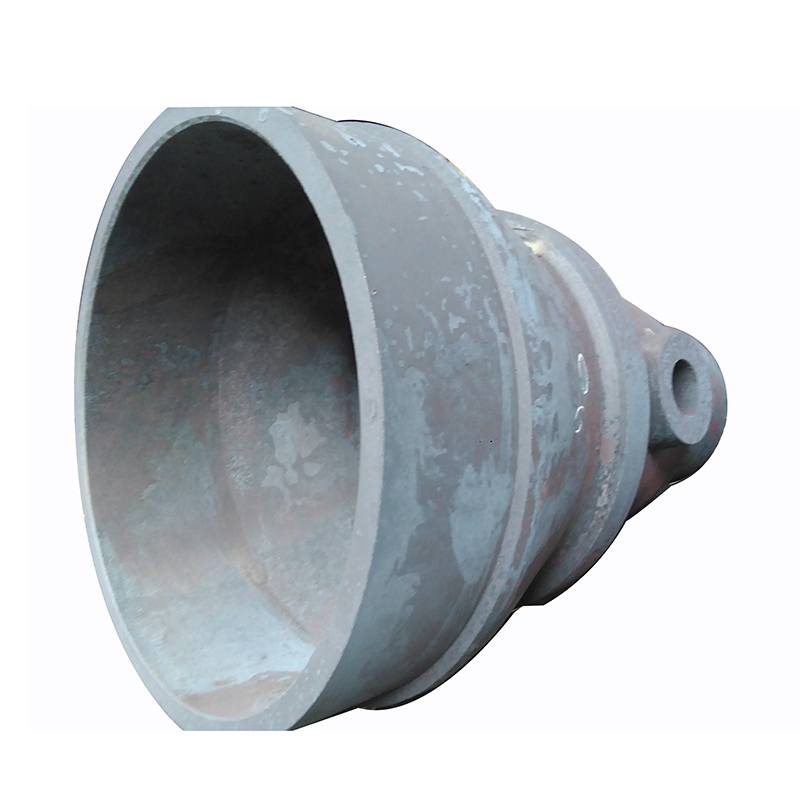
Customization and Data That Matter
Options: flanged spools, puddle flanges, cement-mortar linings (sulfate-resistant), FBE/3LPE/PU, NSF/ANSI/CAN 61-compliant coatings for potable lines. Example batch data (typical): hydro at 1.5×PN passed; coating holidays ≤2 per 100 m²; DI nodularity ≈88–90%; steel weld UT Level II acceptance. Customers often say the paperwork is as valuable as the pipe—traceable heats, coating batch numbers, and third-party witness reports keep projects smooth.
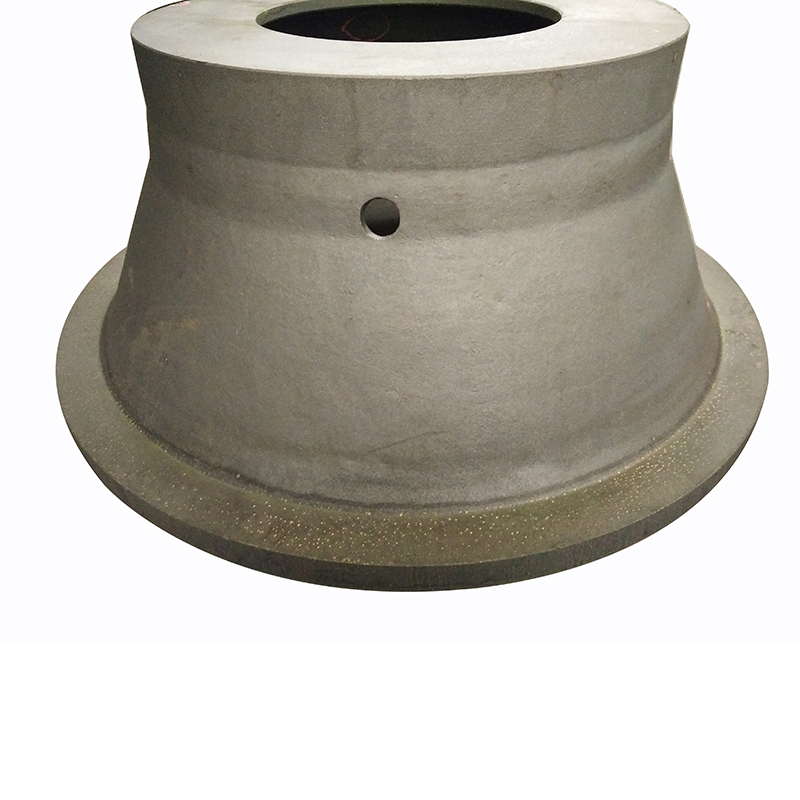
Final thought: whether you spec DI or steel, get your bedding, corrosion study, and coating system right. The metal is half the story; the soil and the crew finish the chapter.
Authoritative References
- ISO 2531 / EN 545: Ductile iron pipes, fittings, accessories for water applications.
- AWWA C151/A21.51 and AWWA C104/A21.4: Ductile-iron pipe and cement–mortar lining.
- ASTM A106/A53 and API 5L: Carbon steel pipe for high-temperature and line pipe service.
- ISO 21809 and AWWA C213: Fusion-bonded epoxy and field joint coating standards.
- ASTM E10 (Brinell Hardness) and ASTM A247 (Microstructure of Graphite in Iron).
-
BAC Heat Exchangers: Efficient, Durable Cooling Solutions for Industry
NewsDec.08,2025
-
Cross Flow Condenser Explained – Insights from Industrial Equipment Experts
NewsDec.08,2025
-
Efficient Heating Coils Heat Exchangers for Industrial Thermal Systems
NewsDec.08,2025
-
Liquid Vapour Heat Exchanger – Reliable Industrial Heat Transfer Solutions | Casiting
NewsDec.08,2025
-
Packaged Plate Heat Exchanger Insights | Industrial Equipment Guide
NewsDec.07,2025
-
Refrigeration Shell And Tube Condenser – Durable Industrial Cooling Solutions by Casiting
NewsDec.07,2025