


Sep . 10, 2025 08:00 Back to list
Durable Cast Iron Water Main Pipe & Ductile Solutions
Introduction to Cast Iron Water Main Pipes in Modern Infrastructure
In the demanding landscape of modern municipal and industrial infrastructure, the selection of robust and reliable piping materials is paramount. Among the most trusted solutions, the cast iron water main pipe stands as a testament to durability and performance. These pipes are critical components in systems designed for efficient water distribution, wastewater management, and various industrial applications, ensuring long-term operational integrity and public health safety. Our exploration delves into the technical intricacies, manufacturing excellence, and strategic advantages that position cast iron piping as a cornerstone of resilient water infrastructure worldwide.
Process Flow: Manufacturing of Cast Iron Water Main Pipes
The production of high-quality cast iron water main pipe involves a series of meticulously controlled stages, ensuring that the final product meets stringent industry standards for strength, durability, and corrosion resistance. The primary material for these pipes is typically grey cast iron or, more commonly in modern applications, ductile iron, which offers enhanced tensile strength and ductility.
Key Manufacturing Stages:
- Raw Material Preparation: High-grade pig iron, scrap iron, and alloying elements (such as magnesium for ductile iron) are carefully selected and measured to achieve the desired metallurgical composition. This ensures the mechanical properties critical for a robust water main.
- Melting: Materials are melted in induction furnaces or cupolas at temperatures exceeding 1400°C. For ductile iron, magnesium treatment is performed to convert graphite flakes into spheroidal nodules, vastly improving the material's ductility and impact resistance.
- Centrifugal Casting (De Lavaud Process): This is the most prevalent method for manufacturing centrifugally cast iron pipe. Molten iron is poured into a rapidly rotating metal mold. The centrifugal force evenly distributes the molten metal against the mold wall, creating a dense, uniform, and concentric pipe structure with superior mechanical properties compared to static casting. This process is especially efficient for producing long lengths of pipe with consistent wall thickness and high quality.
- Annealing: After casting, ductile iron pipes undergo an annealing process where they are heated to specific temperatures and then slowly cooled. This heat treatment relieves internal stresses, refines the microstructure, and further enhances the material's ductility and impact strength, making the pipe more resilient to external forces and ground movements.
- Finishing and Machining: Pipes are cut to specified lengths, and ends are prepared for jointing (e.g., bell and spigot, flanged, or mechanical joints). Precision CNC machining is often employed to ensure accurate dimensions and tight tolerances, especially for specialized fittings and connections.
- Lining and Coating: To enhance corrosion resistance and flow characteristics, pipes are typically lined internally with cement mortar or polyurethane. External coatings, such as zinc and bitumen or epoxy, provide robust protection against soil corrosion and environmental factors, significantly extending the pipe's service life.
- Testing and Quality Control: Every pipe undergoes rigorous testing to ensure compliance with international standards such as ISO 2531, AWWA C151, and ANSI A21.51. This includes hydrostatic pressure testing, dimensional checks (e.g., cast iron outside diameter), visual inspection, and metallurgical analysis. These tests guarantee the pipe's integrity, pressure-bearing capability, and long-term reliability in critical applications.
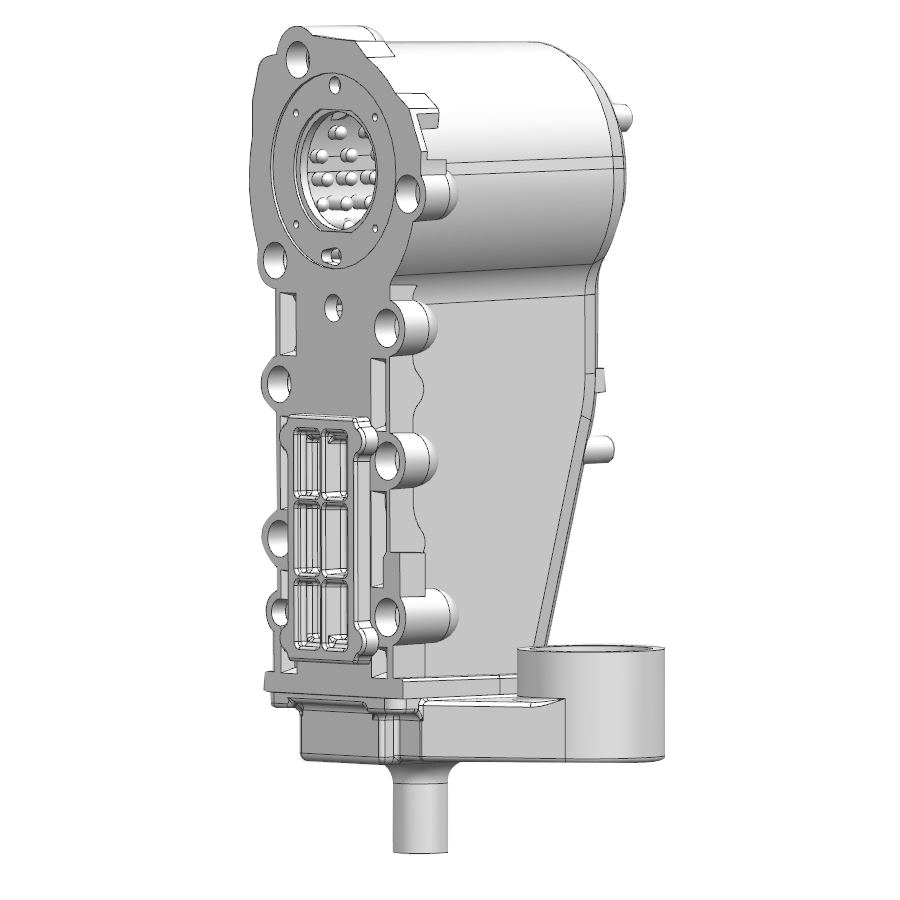
Figure 1: Illustration of a typical manufacturing step for cast iron water main pipe.
The extensive quality control throughout the manufacturing process ensures a service life often exceeding 100 years, making cast iron water main pipe an exceptionally cost-effective solution for target industries such as petrochemical, metallurgy, and especially municipal water supply & drainage. The inherent corrosion resistance, particularly with advanced coatings and linings, coupled with high pressure ratings, contributes to energy saving through reduced leakage and maintenance in typical application scenarios.
Industry Trends and Innovations in Cast Iron Piping
The industry for cast iron water main pipe is continually evolving, driven by demands for greater sustainability, enhanced performance, and smart infrastructure integration. Current trends emphasize the development of smarter pipeline monitoring systems that utilize IoT sensors for real-time leak detection and pressure management, further optimizing the operational efficiency of these durable pipes. There's also a growing focus on sustainable manufacturing practices, including increased use of recycled materials and energy-efficient production techniques for centrifugally cast iron. The development of advanced internal linings and external coatings, such as high-build epoxy coatings or polyethylene sleeves, continues to improve the corrosion resistance and extend the already impressive service life of cast iron pipes, reducing the need for premature replacement and minimizing environmental impact.
Additionally, the market is seeing an increased demand for specialized ductile iron pipe systems, including those designed for trenchless installation (e.g., horizontal directional drilling), which minimizes disruption to urban environments. Innovations in jointing technologies also contribute to faster, more reliable installations and better seismic resistance.
Technical Specifications of Cast Iron Water Main Pipes
Understanding the technical parameters of cast iron water main pipe is crucial for engineers and project managers in selecting the appropriate solution. Modern ductile iron pipes, specifically, offer a superior balance of strength, ductility, and resistance to external loads, making them suitable for diverse applications.
Typical Specifications for Ductile Iron Pressure Pipes (Based on ISO 2531 / AWWA C151):
| Parameter | Description / Range | Standard (e.g.) |
|---|---|---|
| Material | Ductile Cast Iron (Spheroidal Graphite Cast Iron) | ISO 1083 |
| Nominal Diameter (DN) | DN 80 to DN 2600 (3 inch to 102 inch) | ISO 2531, AWWA C151 |
| Working Pressure (PN) | PN 10 to PN 63 (1.0 MPa to 6.3 MPa) | ISO 2531 |
| Length | Standard 6m or 5.5m (Custom lengths available) | Manufacturer Specific |
| Internal Lining | Cement Mortar Lining (CML) or Polyurethane (PU) | ISO 4179, AWWA C104 |
| External Coating | Zinc + Bitumen/Epoxy, Polyethylene Sleeve | ISO 8179, AWWA C105 |
| Tensile Strength | ≥ 420 MPa | ISO 1083 |
| Yield Strength | ≥ 270 MPa | ISO 1083 |
| Elongation | ≥ 5% | ISO 1083 |
The robust mechanical properties of ductile iron, including high tensile strength and elongation, allow it to withstand significant internal pressures and external loading, such as soil shifts and traffic loads. The choice of internal lining protects against tuberculation and maintains flow efficiency, while external coatings provide critical defense against corrosive soil environments, ensuring the longevity of the cast iron water main pipe.
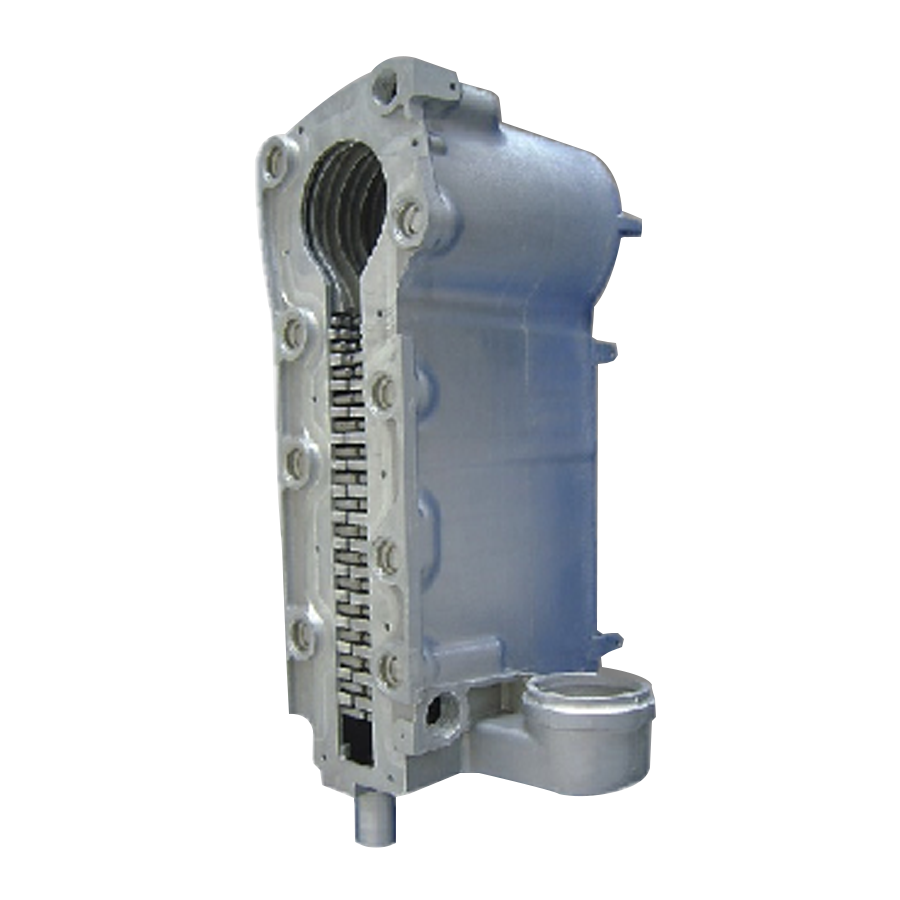
Figure 2: Cross-section detail highlighting the robust design of a cast iron water main pipe.
Application Scenarios and Technical Advantages
The versatility and inherent strengths of cast iron water main pipe make it suitable for a broad spectrum of critical infrastructure applications. These pipes are not only used for potable water distribution but also for raw water transmission, sewage and wastewater collection, industrial process lines, and fire protection systems.
Key Application Areas:
- Municipal Water Supply: Forming the backbone of urban water networks, providing safe and reliable transport of drinking water from treatment plants to consumers. The durability of cast iron water main pipe minimizes leakage, reducing water loss and operational costs.
- Wastewater & Sewerage Systems: Used extensively as cast drain pipe and for main sewer lines due to their resistance to abrasion and chemical degradation from various wastewater compositions. Specialized coatings enhance longevity in aggressive environments.
- Industrial Applications: Including petrochemical plants, mining operations, and power generation facilities, where high pressure and temperature resistance are crucial. They can also serve as robust cast iron conduit for protecting sensitive cables in harsh industrial settings.
- Fire Protection Networks: Their strength and ability to withstand high pressures make them ideal for underground fire mains, ensuring reliable water supply for emergency services.
- Heating & Cooling Systems: In certain industrial or district heating contexts, specialized cast iron heating pipes can be utilized for their thermal stability and pressure capabilities, although often requiring specific internal treatments for high-temperature fluid handling.
Technical Advantages:
- Exceptional Durability and Longevity: With a service life often exceeding 100 years, ductile iron pipes offer a low lifecycle cost. Their inherent strength resists deformation, fracture, and fatigue.
- High Pressure Resistance: Designed to handle significant internal pressures, making them suitable for major water transmission and distribution mains.
- Corrosion Resistance: Advanced internal linings (cement mortar, polyurethane) and external coatings (zinc, bitumen, epoxy, PE sleeves) provide superior protection against aggressive soil and water conditions. Cathodic protection can be further integrated for extreme environments.
- Impact and Beam Strength: Ductile iron pipes are resilient to external impacts, ground movement, and traffic loads, reducing the risk of pipe breaks in dynamic environments.
- Ease of Installation: Modern jointing systems, such as push-on or mechanical joints, facilitate rapid and efficient installation, even in challenging conditions. The availability of various fittings (bends, tees, reducers) simplifies complex network designs.
- Flow Efficiency: Smooth internal linings maintain high flow coefficients over time, reducing pumping energy costs and ensuring efficient water delivery.
Vendor Comparison and Customized Solutions
When sourcing cast iron water main pipe, distinguishing between vendors goes beyond mere price. Key factors include manufacturing expertise, adherence to international standards, material quality, and the ability to provide tailored solutions. Reputable manufacturers emphasize consistent product quality, robust testing protocols, and comprehensive technical support.
Criteria for Vendor Evaluation:
- Certifications: Verify adherence to ISO 9001 (Quality Management), ISO 14001 (Environmental Management), and product-specific standards like AWWA, ANSI, BS EN 545 for ductile iron pipes.
- Experience and Reputation: Look for vendors with a proven track record, extensive years of service, and positive industry feedback. Partner clients and successful project references are strong indicators of reliability.
- Technical Support: The ability to provide engineering support, installation guidance, and post-sales service is invaluable for complex projects.
- Manufacturing Capabilities: Assess the manufacturer's capacity for producing various sizes (including specific cast iron outside diameter requirements) and their expertise in specialized casting methods like centrifugally cast iron.
Customized Solutions:
Leading suppliers understand that not all projects are standard. They offer customized solutions to meet unique project specifications, including:
- Special Coatings and Linings: Tailored anti-corrosion solutions for highly aggressive soil conditions or specific fluid transport requirements.
- Non-Standard Lengths and Diameters: Fabrication of pipes to precise project dimensions, minimizing on-site cutting and waste.
- Custom Fittings: Specialized bends, reducers, and branches engineered for complex network configurations.
- Jointing Technologies: Offering a range of flexible and restraint joints suitable for different ground conditions, seismic zones, or thrust restraint requirements.
Figure 3: Highlighting the robust integrity and quality control of ductile iron pipe.
Comparison: Ductile Iron Pipe vs. Other Materials
While various materials are used for water mains, ductile iron pipe consistently demonstrates superior characteristics for long-term performance.
| Feature | Ductile Iron Pipe | PVC Pipe | Steel Pipe |
|---|---|---|---|
| Corrosion Resistance | Excellent with modern coatings/linings | Excellent (inert to many chemicals) | Poor without extensive coatings/cathodic protection |
| Tensile Strength | High (≥ 420 MPa) | Moderate (lower than metals) | Very High |
| Impact Resistance | Very Good (Ductile) | Good (can become brittle at low temps) | Excellent |
| Beam Strength | Excellent (resists bending/deflection) | Low (requires continuous support) | Excellent |
| Service Life | 100+ years | 50-70 years | 50-100+ years (consistently with coatings) |
| Recyclability | Fully recyclable | Recyclable but complex | Fully recyclable |
Application Case Studies & Customer Experience
The proven reliability of cast iron water main pipe is best demonstrated through its widespread application in critical projects globally. These pipes have consistently delivered superior performance in diverse and challenging environments.
Case Study 1: Major Urban Water Infrastructure Upgrade
In a large metropolitan area, an aging water network faced significant issues with frequent pipe bursts, leading to substantial water loss and service disruptions. The city initiated a multi-year upgrade project, opting for large-diameter cast ductile iron pipe for its main transmission lines. The project involved replacing over 50 km of old infrastructure.
- Challenge: Deteriorating infrastructure, high leakage rates, urgent need for reliability.
- Solution: Installation of DN 800 and DN 1200 ductile iron pipes with cement mortar lining and zinc/bitumen external coating.
- Outcome: Post-installation, the district reported a 40% reduction in water loss within the upgraded zones and a significant decrease in emergency repairs, leading to substantial operational savings and improved public water supply reliability. Customer feedback highlighted minimal disruption during installation due to efficient jointing methods and the project completed ahead of schedule.
Case Study 2: Industrial Wastewater Conveyance System
An industrial complex required a new system for conveying treated wastewater to a distant discharge point, necessitating pipes capable of resisting mild chemical aggressions and sustained pressure.
- Challenge: Transporting treated industrial wastewater with specific chemical properties, requiring high corrosion resistance and leak-proof joints.
- Solution: Deployment of cast iron drain pipes for sale, specifically ductile iron pipes with specialized internal polyurethane lining for enhanced chemical resistance and robust mechanical joints for leak prevention.
- Outcome: The system has been operational for five years without any reported leaks or internal corrosion issues, exceeding performance expectations. The client praised the long-term reliability and minimal maintenance requirements, leading to reduced operational expenditures.

Figure 4: A section of installed ductile iron pipes, ready for connection in a major project.
Trustworthiness: FAQ, Lead Time, Warranty & Support
Building trust with B2B clients requires transparency and commitment to product quality and service excellence. Here we address common inquiries and outline our commitment to customer satisfaction.
Frequently Asked Questions (FAQ):
- Q: What is the typical service life of a cast iron water main pipe?
- A: Modern ductile iron pipes are engineered for a service life of 100 years or more, thanks to advanced metallurgy, internal linings, and external coatings that provide robust protection against corrosion and wear.
- Q: How does ductile iron pipe compare to traditional grey cast iron pipe?
- A: Ductile iron pipe offers significantly superior strength, ductility, and impact resistance compared to grey cast iron. The spheroidal graphite structure in ductile iron prevents crack propagation, making it far less brittle and more resilient to ground movement and external loads.
- Q: Are specialized fittings available for complex pipe networks?
- A: Yes, a comprehensive range of ductile iron fittings (bends, tees, reducers, caps, valves) is available to facilitate complex network designs and connections. Custom fittings can also be manufactured to meet specific project requirements.
- Q: What are the environmental benefits of choosing ductile iron pipes?
- A: Ductile iron pipes are highly recyclable, produced from a significant percentage of recycled materials, and their long service life reduces the frequency of replacement and associated environmental impact. Their leak-tight joints also contribute to water conservation.
Lead Time & Fulfillment:
Typical lead times for standard buy cast iron pipe products range from 4 to 8 weeks, depending on order volume and specific requirements. Customized solutions and very large projects may require longer lead times, which are communicated transparently at the quotation stage. We maintain efficient logistics to ensure timely delivery to project sites worldwide, coordinating closely with clients to meet their schedules.
Warranty Commitments:
Our cast iron water main pipe products come with a comprehensive warranty against manufacturing defects, typically for a period of 10 to 20 years, reflecting our confidence in their quality and durability. Specific warranty terms will be provided with each product quotation and sales agreement. This commitment underscores our dedication to supplying reliable and long-lasting solutions.
Customer Support:
We offer unparalleled customer support, from initial consultation and technical specification assistance to post-installation guidance. Our team of experienced engineers and customer service representatives is available to assist with product selection, installation best practices, troubleshooting, and any inquiries that may arise throughout the project lifecycle. We are dedicated to building long-term partnerships through responsive and expert support.
Conclusion
The selection of piping materials for critical infrastructure projects is a decision with long-term implications for performance, cost, and environmental impact. The cast iron water main pipe, particularly in its modern ductile iron form, continues to prove its superior value through exceptional durability, high pressure resistance, and remarkable longevity. Its established manufacturing processes, adherence to rigorous international standards, and capacity for tailored solutions make it an indispensable choice for water transmission, distribution, and various industrial applications. Investing in high-quality cast iron piping ensures resilient infrastructure that reliably serves communities and industries for generations.
References
- ISO. (2009). ISO 2531: Ductile iron pipes, fittings, accessories and their joints for water applications. International Organization for Standardization.
- AWWA. (2018). AWWA C151/A21.51: Ductile Iron Pipe, Centrifugally Cast, for Water or Other Liquids. American Water Works Association.
- Ductile Iron Pipe Research Association (DIPRA). (n.d.). Engineering and Design Guide for Ductile Iron Pipe. Retrieved from DIPRA.org.
- European Committee for Standardization. (2009). BS EN 545: Ductile iron pipes, fittings, accessories and their joints for water pipelines — Requirements and test methods. CEN.
- Water Environment Federation. (n.d.). Manual of Practice No. FD-4: Design and Construction of Sanitary and Storm Sewers. WEF.
-
BAC Heat Exchangers: Efficient, Durable Cooling Solutions for Industry
NewsDec.08,2025
-
Cross Flow Condenser Explained – Insights from Industrial Equipment Experts
NewsDec.08,2025
-
Efficient Heating Coils Heat Exchangers for Industrial Thermal Systems
NewsDec.08,2025
-
Liquid Vapour Heat Exchanger – Reliable Industrial Heat Transfer Solutions | Casiting
NewsDec.08,2025
-
Packaged Plate Heat Exchanger Insights | Industrial Equipment Guide
NewsDec.07,2025
-
Refrigeration Shell And Tube Condenser – Durable Industrial Cooling Solutions by Casiting
NewsDec.07,2025