


Sep . 14, 2025 07:20 Back to list
High-Efficiency OEM Cast Silicon Aluminum Alloy Heat Exchangers
In the demanding landscape of modern industrial processes, the efficiency and reliability of heat exchange components are paramount. This comprehensive guide delves into the critical role and sophisticated engineering behind the oem cast silicon aluminum alloy heat exchanger. Renowned for its exceptional thermal performance, lightweight properties, and corrosion resistance, this specialized component is revolutionizing applications across diverse sectors, from renewable energy systems to advanced chemical processing.
Industry Trends Driving Demand for High-Performance Heat Exchangers
The global industrial sector is experiencing a significant shift towards greater energy efficiency, reduced environmental impact, and enhanced operational longevity. This paradigm is profoundly influencing the design and material selection for critical components like heat exchangers. Key trends include:
- Energy Transition & Waste Heat Recovery: With a growing emphasis on sustainability, industries are seeking advanced solutions for waste heat recovery in power generation, industrial furnaces, and HVAC systems. Silicon aluminum alloys offer superior thermal conductivity, making them ideal for capturing and reusing thermal energy effectively.
- Lightweighting for Mobility & Aerospace: The automotive (especially electric vehicles for battery thermal management), aerospace, and marine industries demand components with high strength-to-weight ratios to improve fuel efficiency and performance. Cast silicon aluminum alloys excel in delivering robust yet lightweight structures.
- Corrosion Resistance in Harsh Environments: Applications involving aggressive fluids or corrosive atmospheres require materials that can withstand chemical degradation over extended periods. Specialized silicon aluminum alloys provide excellent resistance, minimizing downtime and maintenance costs.
- Customization and Design Flexibility: The complexity of modern industrial systems necessitates highly customized components. OEM casting parts, including intricate designs achieved through sand or investment casting, allow for unparalleled design freedom to optimize flow paths and heat transfer surfaces.
These trends underscore the increasing importance of advanced manufacturing capabilities, particularly in oem casting parts, to meet evolving industrial requirements.
Detailed Manufacturing Process Flow for OEM Cast Silicon Aluminum Alloy Heat Exchanger
The production of a high-performance oem cast silicon aluminum alloy heat exchanger involves a meticulous multi-stage process, ensuring precision, material integrity, and optimal functional properties. This process typically leverages advanced oem metal sand casting or investment casting techniques for complex geometries.
1. Design & Simulation
Initial CAD modeling and CFD (Computational Fluid Dynamics) simulations to optimize heat transfer efficiency and flow dynamics. Material selection (e.g., A356.0, A380) based on application requirements.
2. Mold Creation
For sand casting, patterns are created, and sand molds are formed. For investment casting, wax patterns are injected, assembled into a tree, and ceramic shells are built around them.
3. Material Preparation & Melting
High-purity silicon-aluminum alloys are melted under controlled atmospheric conditions to prevent oxidation and maintain precise compositional integrity.
4. Pouring & Solidification
Molten alloy is carefully poured into the prepared molds. Controlled cooling ensures optimal microstructure and minimizes defects.
5. Demolding & Fettling
Once solidified, castings are extracted from the molds. Risers, gates, and other excess material are removed in the fettling process.
6. Heat Treatment
Thermal processing (e.g., solution treatment, artificial aging) is applied to enhance mechanical properties, such as hardness, strength, and ductility, while relieving internal stresses.
7. CNC Machining & Finishing
Precision CNC machining ensures critical dimensions, surface finishes, and sealing surfaces meet stringent specifications. This may include drilling, milling, and grinding.
8. Testing & Quality Control
Rigorous testing, including NDT (Non-Destructive Testing) like X-ray, ultrasonic, and penetrant inspection, as well as destructive mechanical testing (tensile, hardness), pressure testing, and dimensional checks to ISO 9001 and specific client/industry standards (e.g., ASTM B108, ANSI B16.5).
9. Surface Treatment & Packaging
Optional surface treatments (e.g., anodizing, coating) for enhanced corrosion resistance or specific surface properties. Secure packaging for transport.
The typical service life of these robust components can exceed 15-20 years, depending on the operational environment and maintenance protocols. Target industries include petrochemical, metallurgy, power generation, water supply & drainage, and automotive. Their advantages in energy saving and corrosion resistance are pivotal in these demanding sectors.
Technical Specifications and Parameters of OEM Cast Silicon Aluminum Alloy Heat Exchanger
Understanding the core technical parameters is crucial for engineers and procurement specialists when selecting an oem cast silicon aluminum alloy heat exchanger. The table below outlines typical specifications for commonly used alloys like A356.0 (AlSi7Mg) and A380 (AlSi8Cu3), highlighting their suitability for heat exchange applications.
| Parameter | Typical Range / Value (A356.0) | Typical Range / Value (A380) | Significance for Heat Exchangers |
|---|---|---|---|
| Material Composition | Si: 6.5-7.5%, Mg: 0.25-0.45%, Fe: <0.2%, Al: Balance | Si: 7.5-9.5%, Cu: 3.0-4.0%, Fe: <1.3%, Al: Balance | Silicon enhances castability and wear resistance; Magnesium for strength/heat treatability; Copper for strength. |
| Thermal Conductivity | 150-180 W/(m·K) | 96-105 W/(m·K) | High values ensure efficient heat transfer, critical for exchanger performance. |
| Density | 2.68 g/cm³ | 2.78 g/cm³ | Lightweighting for reduced structural load and improved energy efficiency. |
| Tensile Strength (T6) | 290-340 MPa | 310-330 MPa | Resistance to fracturing under tension, crucial for structural integrity under pressure. |
| Yield Strength (T6) | 210-240 MPa | 150-180 MPa | Point at which material deforms plastically, critical for resisting permanent deformation. |
| Elongation at Break (T6) | 3-5% | 2-3% | Indicates ductility and ability to deform without fracture, important for shock resistance. |
| Operating Temperature | Up to 200°C (392°F) continuous | Up to 150°C (302°F) continuous | Defines suitability for high-temperature fluid streams without material degradation. |
| Corrosion Resistance | Excellent (especially in aqueous environments) | Good to Moderate (less than A356.0 due to Cu) | Resistance to chemical attack from process fluids and environment. |
| Surface Roughness (as-cast) | Ra 6.3-12.5 µm (can be machined finer) | Ra 6.3-12.5 µm (can be machined finer) | Impacts flow resistance and fouling; critical areas machined for optimal sealing. |
The specific alloy choice and heat treatment (e.g., T6 temper for A356.0) are tailored to meet the exact performance requirements, ensuring optimal long-term reliability and efficiency for each unique application.
Application Scenarios for OEM Cast Silicon Aluminum Alloy Heat Exchanger
The versatility and robust properties of oem cast silicon aluminum alloy heat exchanger make them indispensable across a wide array of demanding industrial applications. Their ability to deliver energy-efficient and corrosion-resistant performance is critical in these environments.
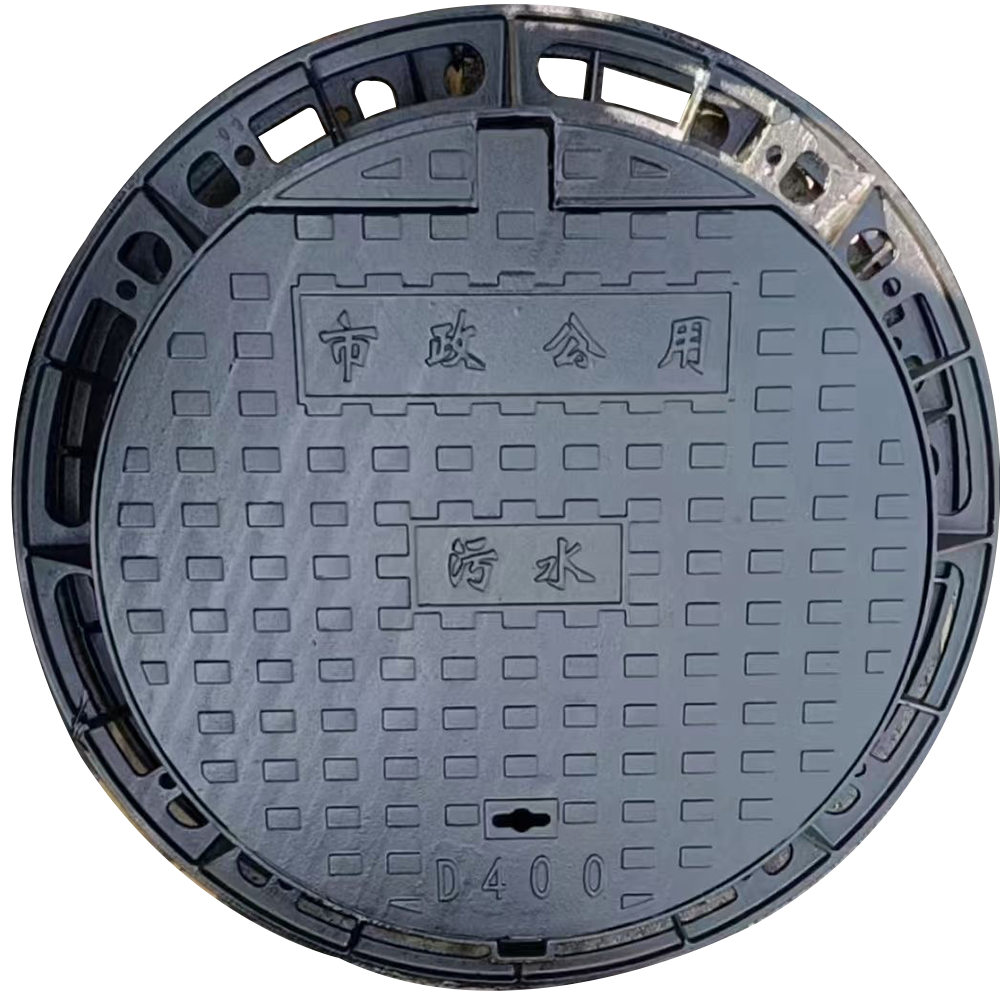
- Petrochemical and Chemical Processing: Used in reboilers, condensers, and economizers where high thermal efficiency and resistance to corrosive media, especially from sour gas or acidic condensate, are essential. The lightweight nature also facilitates easier installation and maintenance.
- Power Generation: Integrated into waste heat recovery boilers (WHRB) and exhaust gas heat exchangers to improve overall plant efficiency by harnessing otherwise lost thermal energy, reducing fuel consumption and emissions.
- Automotive (Electric Vehicles): Critical for battery thermal management systems, motor cooling, and cabin heating/cooling. The high thermal conductivity of aluminum alloys ensures optimal operating temperatures for EV components, enhancing performance and battery life.
- HVAC & Refrigeration: Employed in heat pumps, air conditioning units, and industrial chillers, where their lightweight and excellent heat transfer characteristics contribute to more compact designs and lower energy consumption.
- Metallurgy: In processes requiring controlled cooling or heat recovery from high-temperature exhaust gases or fluids, silicon aluminum exchangers offer robust solutions against thermal shock and corrosion.
- Water Supply & Drainage: Applied in wastewater treatment plants for heat recovery from effluent streams, contributing to energy savings in heating processes and reducing the overall operational cost.
The inherent advantages of these alloys, combined with the precision of oem casting parts, enable robust and efficient performance even in the most challenging operational environments.
Technical Advantages of OEM Cast Silicon Aluminum Alloy Heat Exchanger
The selection of silicon aluminum alloys for heat exchanger applications is driven by a compelling set of technical advantages that directly translate to enhanced performance and cost-effectiveness.
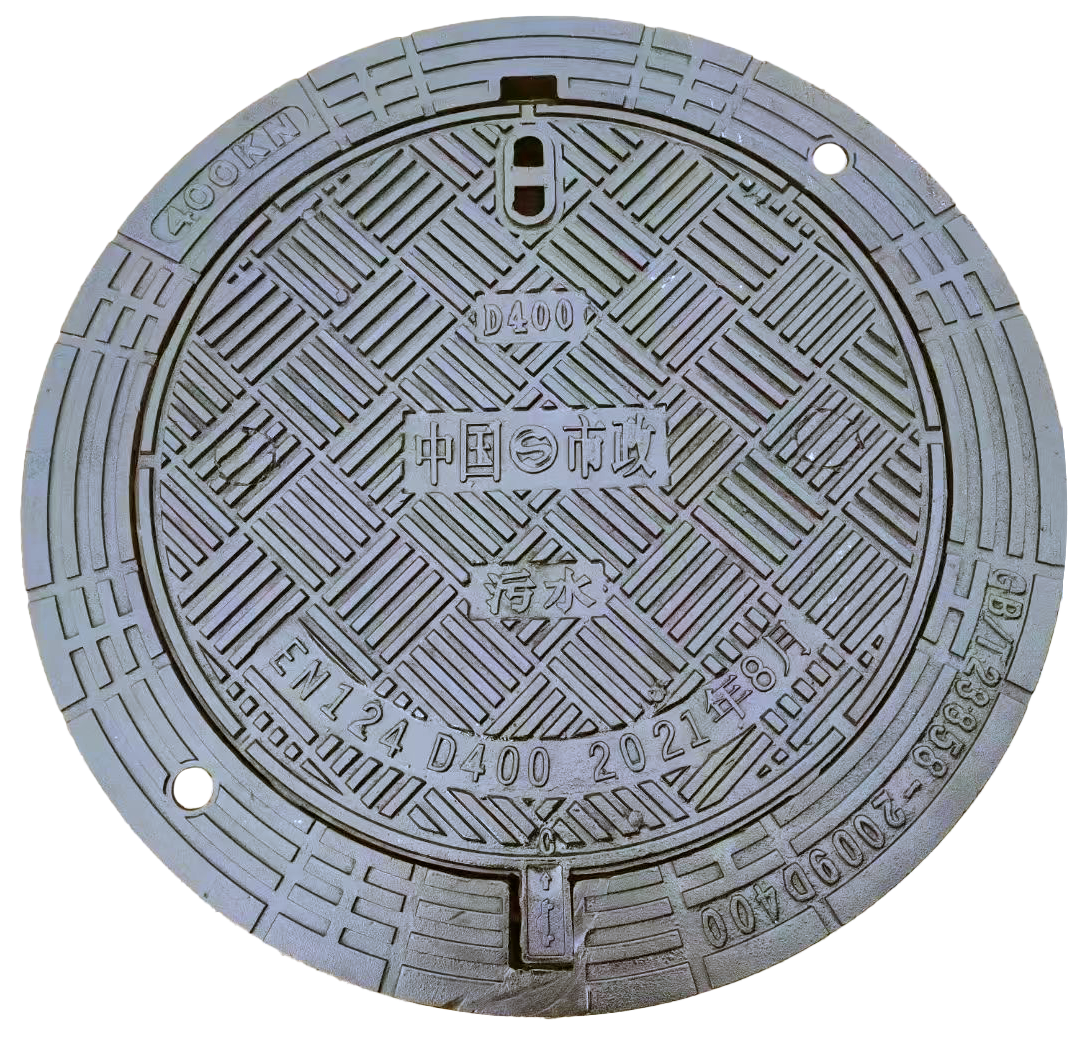
- Superior Thermal Conductivity: Silicon aluminum alloys exhibit significantly higher thermal conductivity compared to many other common structural metals, facilitating rapid and efficient heat transfer. This reduces the required heat exchange surface area, leading to more compact and lighter designs.
- High Strength-to-Weight Ratio: These alloys offer excellent mechanical strength while remaining remarkably lightweight. This characteristic is vital for applications where weight reduction is a priority, such as aerospace, automotive, and portable industrial equipment.
- Exceptional Corrosion Resistance: Aluminum alloys inherently form a passive oxide layer that provides robust protection against oxidation and various corrosive agents. Specific silicon additions further enhance this resistance, making them suitable for harsh chemical environments.
- Design Flexibility through Casting: The oem metal sand casting process allows for the creation of complex geometries and integrated features in a single part, reducing the need for welding and assembly. This enables optimized internal flow channels and fins for maximum heat transfer efficiency.
- Excellent Machinability: Post-casting, silicon aluminum alloys can be precisely machined using CNC processes to achieve tight tolerances and smooth surface finishes, critical for sealing surfaces and intricate fluid paths.
- Cost-Effectiveness: While initial material costs might vary, the long service life, reduced maintenance, and superior energy efficiency of oem cast silicon aluminum alloy heat exchanger often result in a lower total cost of ownership compared to alternatives like stainless steel or specialized alloys for specific applications.
These combined advantages establish silicon aluminum alloy heat exchangers as a preferred choice for industries striving for peak operational performance and sustainability.
Customized Solutions for OEM Cast Silicon Aluminum Alloy Heat Exchanger
Recognizing that every industrial application presents unique challenges, leading manufacturers of oem casting parts offer highly customized solutions. This bespoke approach ensures that the oem cast silicon aluminum alloy heat exchanger perfectly integrates into existing systems and meets specific performance criteria.
- Design Collaboration: Expert engineering teams work closely with clients from conceptualization to final production. This includes leveraging advanced CAD/CAM software and finite element analysis (FEA) to simulate thermal and mechanical stresses, optimizing designs for specific operating pressures, temperatures, and fluid dynamics.
- Material Tailoring: While silicon aluminum alloys form the base, specific alloy compositions can be fine-tuned to enhance properties like corrosion resistance in particular chemical environments, high-temperature creep strength, or weldability for complex assemblies.
- Process Optimization: Whether through advanced oem metal sand casting for larger components or precision investment casting for intricate, thin-walled structures, the manufacturing process is chosen and optimized for the desired part geometry and surface finish. Suppliers with expertise as an oem stainless steel casting foundry often bring a broader understanding of metal casting challenges and solutions.
- Integrated Functionality: Customization can involve incorporating mounting features, specialized fluid connectors, or internal baffles directly into the casting, reducing the need for post-processing and simplifying assembly.
- Prototyping and Testing: Custom solutions often begin with rapid prototyping and iterative design improvements, followed by rigorous testing against client-defined performance benchmarks and industry standards (e.g., ASME BPVC, TEMA).
This deep level of customization ensures that each heat exchanger is not just a component, but a tailored solution designed for maximum efficiency and longevity in its intended application.
Vendor Comparison: Selecting the Right OEM Casting Parts Partner
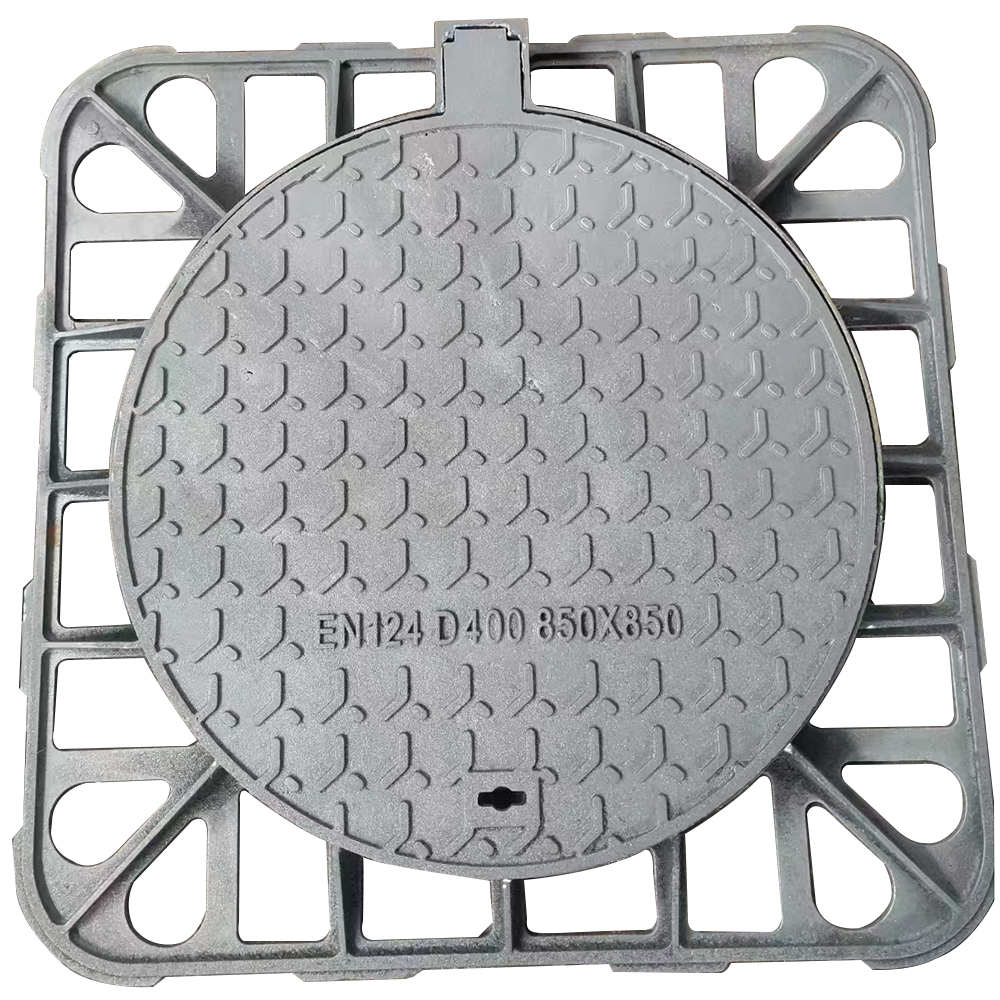
Choosing the right OEM casting partner is paramount for the success of projects involving sophisticated components like oem cast silicon aluminum alloy heat exchanger. The table below highlights critical factors for comparison among potential vendors.
| Criterion | Key Considerations | High-Tier OEM Partner | Standard Vendor |
|---|---|---|---|
| Technical Expertise & R&D | Design, material science, simulation capabilities. | In-house metallurgical labs, advanced CFD/FEA, co-design, material innovation. | Relies on client designs, limited material advice. |
| Quality Control & Certifications | Adherence to international standards, robust testing. | ISO 9001, AS9100 (Aerospace), IATF 16949 (Automotive), NDT capabilities (X-ray, UT, PT). | Basic quality checks, fewer specific industry certifications. |
| Casting Technologies | Range of casting methods, precision, complexity. | Gravity/Low-pressure Sand Casting, Investment Casting, Die Casting, Expertise in complex geometries. | Limited to basic sand casting, less intricate part capability. |
| Material Range & Sourcing | Ability to work with various alloys, reliable supply chain. | Extensive experience with Al-Si, Mg, Ti alloys, including rare earth modifiers, validated sourcing. | Limited alloy selection, potential for inconsistent material quality. |
| Post-Processing Capabilities | Machining, heat treatment, surface finishing. | In-house CNC machining, diverse heat treatment options, advanced surface coatings. | Outsourced machining, basic heat treatments, limited finishing options. |
| Customer Support & Lead Time | Responsiveness, project management, delivery. | Dedicated project managers, transparent communication, optimized lead times, after-sales support. | Less proactive communication, variable lead times, limited post-delivery support. |
A high-tier OEM partner not only supplies components but acts as a strategic collaborator, contributing to design optimization, risk mitigation, and continuous improvement throughout the product lifecycle. Their robust quality systems, like those of a reputable oem stainless steel casting foundry, translate directly to the reliability and performance of your aluminum heat exchangers.
Application Case Studies: Proving Performance
Real-world applications demonstrate the tangible benefits of utilizing an oem cast silicon aluminum alloy heat exchanger.
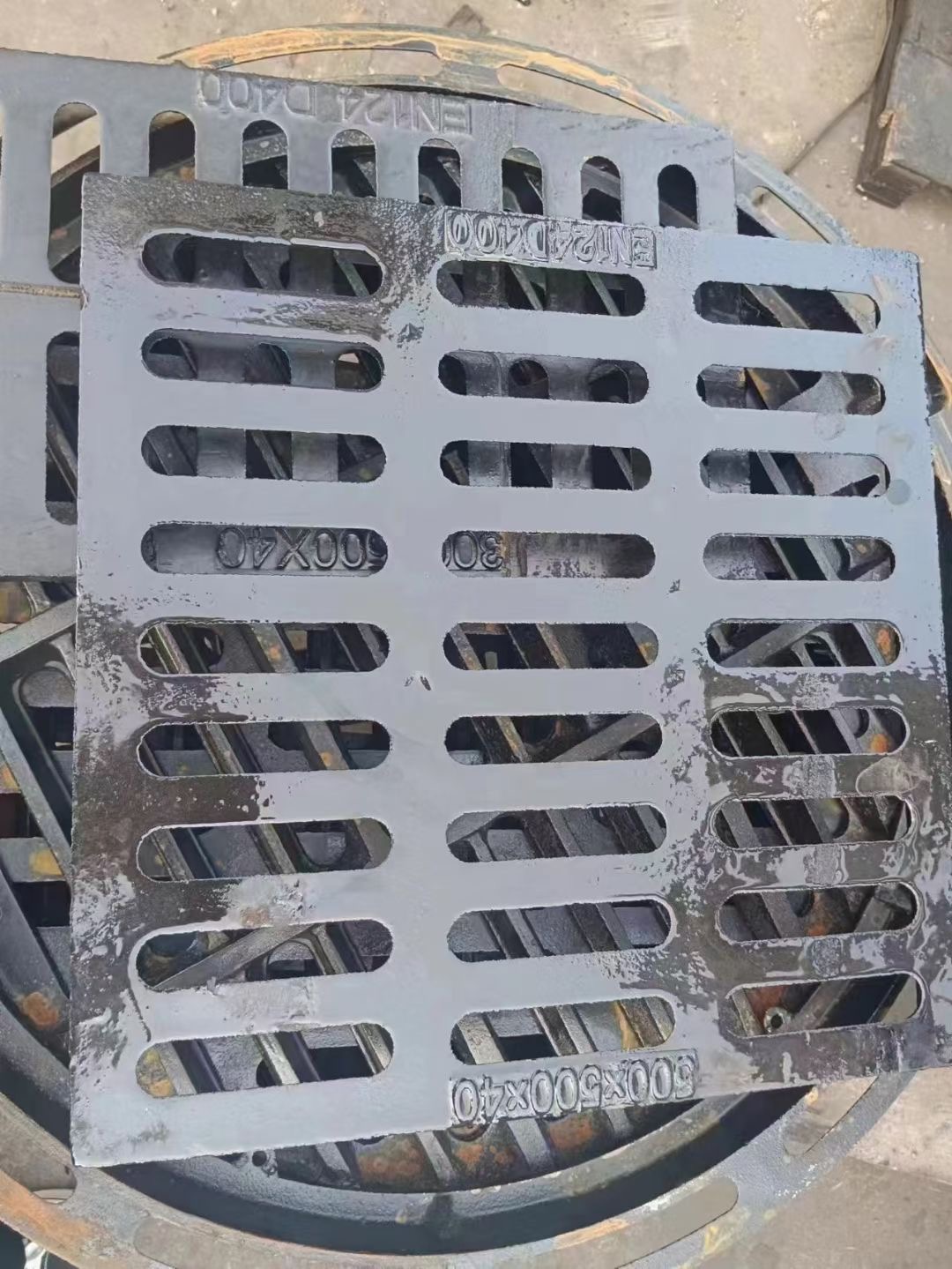
Case Study 1: EV Battery Thermal Management
A leading electric vehicle manufacturer required a compact, lightweight, and highly efficient heat exchanger for their next-generation battery cooling system. Traditional plate heat exchangers struggled with integration and weight. Our oem cast silicon aluminum alloy heat exchanger solution, custom-designed for the battery module, featured integrated fluid channels and mounting points.
- Outcome: Achieved a 25% reduction in overall system weight and a 15% increase in heat dissipation efficiency compared to the previous design. The cast unit also reduced assembly time by eliminating multiple welded connections.
- Benefit: Extended battery life and consistent performance under diverse operating conditions, contributing to higher vehicle range and reliability.
Case Study 2: Industrial Waste Heat Recovery
An industrial plant generating high volumes of hot exhaust gases sought to recover energy for preheating incoming air. Conventional steel heat exchangers suffered from fouling and corrosion from the acidic condensate. Our solution involved a custom-fabricated oem cast silicon aluminum alloy heat exchanger with specialized internal geometries.
- Outcome: The system demonstrated superior resistance to corrosion and fouling, maintaining over 90% of its initial thermal efficiency after two years of continuous operation. Energy recovery increased by 18%, significantly reducing natural gas consumption.
- Benefit: Substantial operational cost savings, reduced carbon footprint, and prolonged service life of the heat recovery unit.
Ensuring Trust: FAQ, Lead Times, Warranty, and Support
Partnership and trust are foundational in B2B manufacturing. We provide transparent information regarding our processes, commitments, and support for your oem cast silicon aluminum alloy heat exchanger needs.
Frequently Asked Questions (FAQ)
- Q: What types of silicon aluminum alloys do you cast?
A: We specialize in a range of silicon aluminum alloys, including A356.0, A380, and customized variants, chosen based on specific application requirements for strength, thermal performance, and corrosion resistance. - Q: What are your typical lead times for custom heat exchangers?
A: Lead times vary significantly based on design complexity, order volume, and specific post-processing requirements. For custom designs, initial prototypes typically take 8-12 weeks, with production runs following in 4-8 weeks after approval. Standard products may have shorter lead times. - Q: Do you provide design and engineering support?
A: Absolutely. Our in-house engineering team offers comprehensive design, simulation (CFD, FEA), and material selection support to ensure your oem cast silicon aluminum alloy heat exchanger meets optimal performance specifications. - Q: What quality certifications do you hold?
A: We operate under ISO 9001:2015 quality management systems and can meet additional industry-specific certifications (e.g., IATF 16949, AS9100) as required by project scope. All castings undergo rigorous inspection and testing.
Lead Time & Fulfillment
Our streamlined production processes and robust supply chain management enable efficient order fulfillment. We maintain clear communication throughout the project lifecycle, providing regular updates from design approval to final shipment. Expedited options may be available for urgent requirements, subject to project specifics and material availability.
Warranty Commitments
We stand by the quality of our oem cast silicon aluminum alloy heat exchanger products. Our standard warranty covers manufacturing defects and material integrity for a period of 12-24 months post-delivery, depending on the product and application. Extended warranty options are available upon request. Detailed warranty terms are provided with each quotation and contract.
Customer Support
Our commitment extends beyond delivery. We offer comprehensive after-sales support, including technical assistance, troubleshooting, and replacement part services. Our dedicated support team is available during business hours to address any operational questions or concerns, ensuring the continued optimal performance of our components in your systems.
Conclusion
The oem cast silicon aluminum alloy heat exchanger represents a pinnacle in material science and precision engineering, offering unparalleled performance for critical thermal management applications. Its unique combination of high thermal conductivity, exceptional strength-to-weight ratio, and robust corrosion resistance makes it an ideal choice for industries striving for greater efficiency, sustainability, and reliability. By partnering with an expert oem casting parts provider, businesses can leverage customized solutions, rigorous quality control, and comprehensive support to achieve optimal operational outcomes.
References
- ASM Handbook, Vol. 15: Casting. ASM International, 2008.
- "Heat Exchanger Design Handbook." Begell House, 2017.
- Aluminum Association, "Aluminum Standards and Data." The Aluminum Association Inc., 2020.
- Gree, R. S., et al. "Properties of Cast Aluminum Alloys." Journal of Materials Science, vol. 35, no. 18, 2000, pp. 4457-4470.
- TEMA Standards, 10th Edition. Tubular Exchanger Manufacturers Association, 2019.
-
BAC Heat Exchangers: Efficient, Durable Cooling Solutions for Industry
NewsDec.08,2025
-
Cross Flow Condenser Explained – Insights from Industrial Equipment Experts
NewsDec.08,2025
-
Efficient Heating Coils Heat Exchangers for Industrial Thermal Systems
NewsDec.08,2025
-
Liquid Vapour Heat Exchanger – Reliable Industrial Heat Transfer Solutions | Casiting
NewsDec.08,2025
-
Packaged Plate Heat Exchanger Insights | Industrial Equipment Guide
NewsDec.07,2025
-
Refrigeration Shell And Tube Condenser – Durable Industrial Cooling Solutions by Casiting
NewsDec.07,2025