


Sep . 22, 2025 11:45 Back to list
Premium Cast Iron Steel Pipe: Unmatched Strength & Durability
Understanding the Modern Industrial Landscape for Piping Solutions
In the demanding sectors of petrochemicals, mining, marine engineering, and infrastructure, the integrity and performance of piping systems are paramount. The choice of material dictates not only the operational efficiency but also the safety and longevity of industrial assets. Among the diverse materials available, the role of cast iron steel pipe remains critical for a wide array of high-pressure, high-temperature, or corrosive applications. This material, often a hybrid in discussion between traditional cast iron and advanced steel alloys, leverages the best properties for specific industrial needs. Modern trends emphasize materials that offer superior strength-to-weight ratios, enhanced corrosion resistance, and adaptability to complex geometries.
The global demand for durable and reliable industrial components is driving innovation in manufacturing processes and material science. Industries are increasingly seeking suppliers capable of delivering not just standard components, but also highly customized solutions that address unique operational challenges. This includes advanced `iron and steel casting services` that can produce complex forms with precision, minimizing post-processing and maximizing material integrity. The focus is shifting towards integrated solutions that cover design, material selection, manufacturing, and comprehensive after-sales support, ensuring maximum value and uptime for critical infrastructure.
The market for `cast steel pipe` and related components is witnessing a robust growth, propelled by infrastructure development, expansion in oil & gas, and renewable energy projects. As projects become more complex and environmental regulations stricter, the need for high-performance materials like specialized alloy steel castings, often used in conjunction with or as an enhancement to traditional cast iron steel pipe structures, becomes indispensable. This article delves into the technical specifications, manufacturing intricacies, and diverse applications that underscore the significance of these advanced materials in today's industrial landscape.
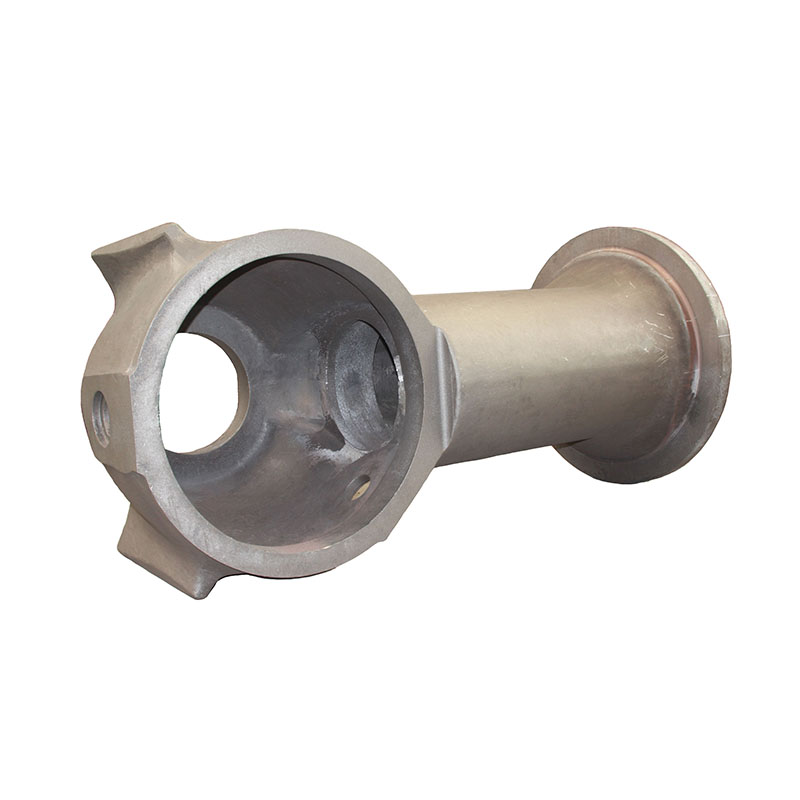
The Manufacturing Process of Advanced Piping Solutions
The production of high-performance piping components, whether traditional cast iron steel pipe or advanced `cast steel pipe`, involves a meticulously controlled multi-stage process to ensure optimal mechanical properties and structural integrity. Our advanced `iron and steel casting services` adhere to stringent international standards, guaranteeing product excellence.
1. Material Preparation and Melting
The process begins with the careful selection and preparation of raw materials. This includes high-purity pig iron, various grades of steel scrap, and specific alloying elements such as manganese, silicon, chromium, nickel, and molybdenum. These are precisely weighed and loaded into induction furnaces or electric arc furnaces. Melting is performed under controlled atmospheric conditions to prevent oxidation and ensure homogeneity of the molten metal, critical for the quality of the subsequent `casting of steel`.
2. Molding and Pouring
Depending on the complexity and desired properties of the cast iron steel pipe, various `types of steel casting` methods are employed. Sand casting, investment casting, and centrifugal casting are common. For cylindrical components like pipes, centrifugal casting is often favored for its ability to produce dense, uniform structures with excellent metallurgical properties and concentricity. Molten metal is poured into a rotating mold, and centrifugal force distributes the metal evenly, pushing impurities to the center, which are then removed. This minimizes porosity and enhances material density.
3. Solidification and Demolding
After pouring, the molten metal solidifies within the mold. Controlled cooling rates are essential to achieve the desired microstructure. Once sufficiently cooled, the casting is removed from the mold. For sand molds, this involves breaking the mold; for permanent molds, it's a matter of separation.
4. Heat Treatment
Heat treatment is a crucial step that profoundly influences the mechanical properties of `castings steel`. Processes like annealing, normalizing, quenching, and tempering are applied to relieve internal stresses, refine grain structure, enhance hardness, toughness, and ductility. The specific heat treatment cycle is tailored to the alloy composition and desired final performance characteristics. For instance, normalizing can improve impact strength, while quenching and tempering can significantly increase tensile strength and yield strength.
5. Machining and Finishing
Post-casting, components undergo various finishing operations. This typically includes fettling (removal of risers, gates, and flash), grinding, and shot blasting for surface preparation. Precision components often require `CNC machining` to achieve tight tolerances and intricate geometries, particularly for flange faces, sealing surfaces, and specific connection points. For example, ensuring the correct `outside diameter of 4 inch cast iron pipe` for seamless integration into existing systems requires highly accurate machining.
6. Quality Control and Testing
Throughout the entire manufacturing process, rigorous quality control measures are implemented. Products are subjected to extensive testing standards such as ISO 9001, ASTM (e.g., A53, A106, A213), ANSI, DIN, and API. These tests include:
- Chemical Analysis: Spectrographic analysis to confirm alloy composition.
- Mechanical Testing: Tensile strength, yield strength, elongation, hardness (Brinell, Rockwell), impact resistance (Charpy V-notch).
- Non-Destructive Testing (NDT): Ultrasonic testing, magnetic particle inspection, liquid penetrant inspection, and radiographic testing to detect internal flaws, surface cracks, or discontinuities.
- Hydrostatic Testing: Pressure testing to ensure leak-proof performance under specified operating pressures.
- Dimensional Inspection: Verification of all critical dimensions and tolerances.
This exhaustive process ensures that every cast iron steel pipe meets the highest standards of quality, performance, and reliability, offering an extended service life in demanding environments.
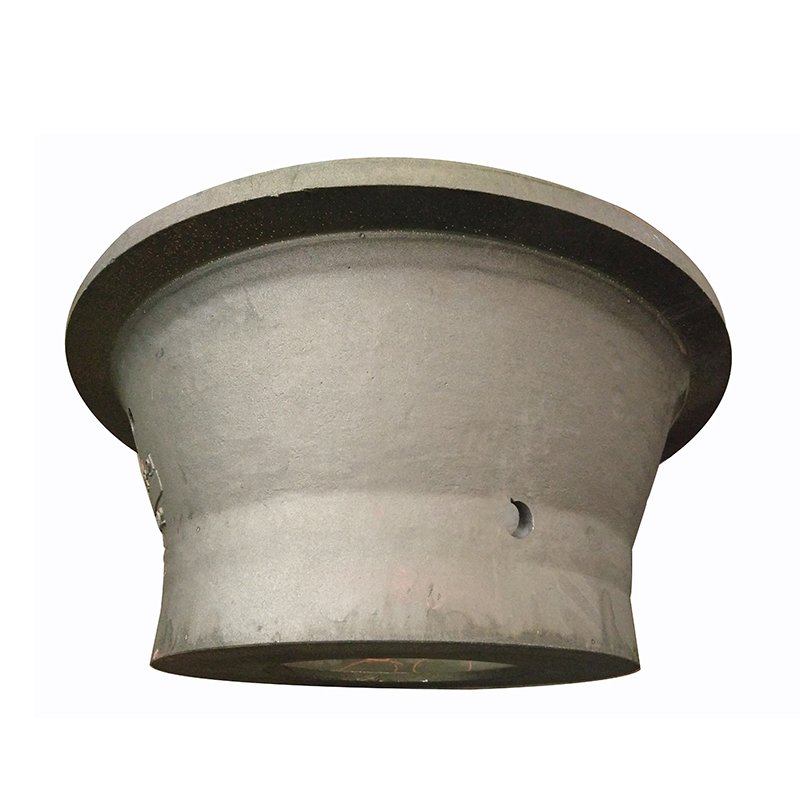
Technical Specifications and Performance Metrics
The robust performance of cast iron steel pipe is attributed to its carefully engineered material composition and precise manufacturing. Understanding key technical parameters is essential for engineers and procurement specialists.
Typical Specifications for Cast Steel Pipe
| Parameter | Value/Range | Unit/Standard |
|---|---|---|
| Material Grades (Common) | Carbon Steel (WCB, WCC), Alloy Steel (WC6, WC9, C5, C12), Stainless Steel (CF8, CF8M) | ASTM A216/A217/A351 |
| Tensile Strength | 485 - 690 | MPa (min) |
| Yield Strength | 250 - 450 | MPa (min) |
| Elongation | 18 - 22 | % (min) |
| Hardness (Brinell) | 130 - 200 | HB |
| Operating Temperature Range | -29 to 538 | °C |
| Pressure Rating | Up to Class 2500 (PN420) | ASME B16.34 |
| Corrosion Resistance | Good to Excellent (depending on alloy) | Specific to media |
| Pipe Diameter (DN) | 50 - 1200 | mm |
The `outside diameter of 4 inch cast iron pipe`, for instance, is typically 114.3 mm (4.5 inches) for standard schedule 40 pipes, but can vary based on specific manufacturing standards (e.g., ISO, ASTM, DIN) and wall thickness. Precision in these dimensions is critical for fit-up and sealing in complex systems.
Technical Advantages
- Superior Strength & Durability: Offers excellent tensile and yield strength, making it ideal for high-pressure and load-bearing applications.
- Corrosion Resistance: Through specific alloying (e.g., stainless steel or duplex alloys), cast iron steel pipe can withstand highly corrosive media, extending service life in harsh chemical environments.
- High-Temperature Performance: Maintains mechanical properties at elevated temperatures, crucial for petrochemical and power generation industries.
- Design Flexibility: `Casting of steel` allows for complex geometries, integrated flanges, and specific connection points, reducing fabrication steps and potential leak paths.
- Excellent Weldability (for many steel alloys): Facilitates easy integration into larger systems and allows for field repairs or modifications, if compatible with the specific alloy.
- Cost-Effectiveness over Lifetime: While initial costs may be higher than some alternatives, the extended service life, reduced maintenance, and improved operational efficiency translate into lower total cost of ownership.

Application Scenarios and Industry Impact
The versatility and robust characteristics of cast iron steel pipe make it an indispensable component across a broad spectrum of heavy industries. Its application directly contributes to enhanced operational safety, efficiency, and longevity of critical infrastructure.
Target Industries:
- Petrochemical & Oil & Gas: Used in pipelines for crude oil, natural gas, refined products, and various chemicals, especially in high-pressure, high-temperature, or corrosive environments. Their durability is crucial for preventing leaks and ensuring continuous operations.
- Power Generation: Employed in steam lines, condenser lines, and cooling water systems in thermal, nuclear, and hydroelectric power plants, where they withstand extreme temperatures and pressures.
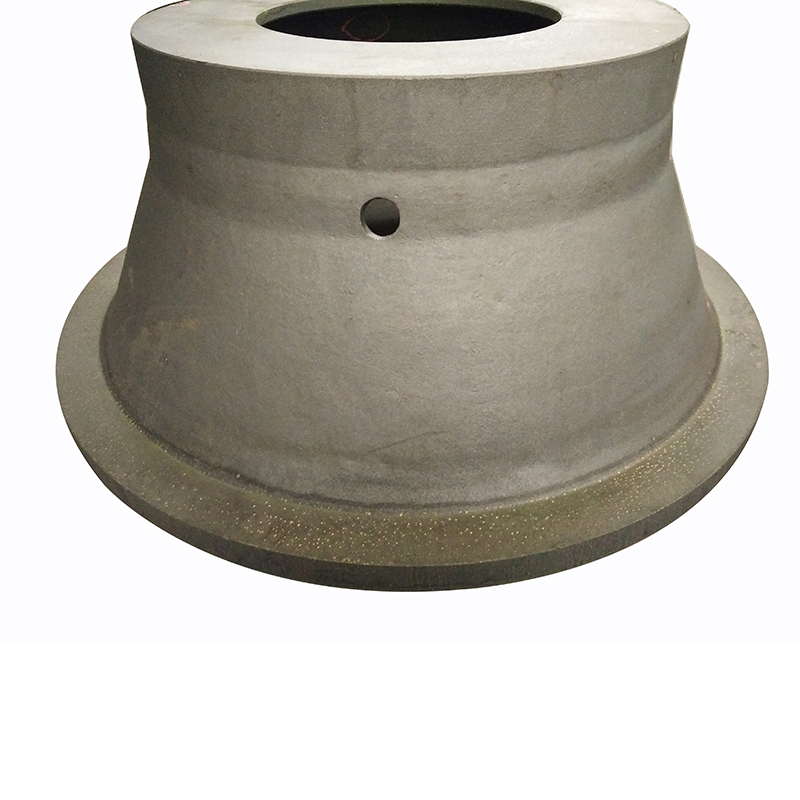
- Mining & Metallurgy: Critical for slurry transport, water supply, and drainage systems, particularly in abrasive environments. Components like `mining machinery steel casting` also benefit from similar material properties.
- Water Supply & Drainage: Large diameter cast iron steel pipe is fundamental for municipal water distribution networks, wastewater treatment plants, and irrigation systems due to its long service life and resistance to environmental degradation.
- Marine Engineering: Essential for ship piping systems, offshore platforms, and subsea pipelines, requiring high resistance to saltwater corrosion and extreme loads. This often includes components like `marine gear boxes` and propulsion systems, where high-strength steel alloys are paramount. Reputable `marine gearbox manufacturers` often specify similarly robust materials for connecting components.
- Chemical Processing: Handling aggressive chemicals at varying temperatures and pressures demands materials with exceptional corrosion and chemical resistance, which specialized cast iron steel pipe alloys provide.
Demonstrated Advantages in Typical Scenarios:
Energy Saving: In large-scale water or slurry transport, the smooth internal bore achievable with advanced casting and finishing reduces friction losses. This translates to lower pumping power requirements and significant energy savings over the operational lifetime, contributing to sustainability goals.
Corrosion Resistance: Consider a petrochemical plant handling strong acids. A standard carbon steel pipe might require frequent replacement or extensive lining. A duplex stainless `cast steel pipe` or super austenitic `castings steel` pipe, engineered for specific corrosive media, can operate for decades without failure, drastically reducing maintenance costs and avoiding hazardous leaks. Our materials are rigorously tested to ISO 17025 standards for corrosive environments.
High-Pressure Integrity: In offshore oil and gas production, pipelines operate under immense pressures. The high tensile and yield strength of properly heat-treated cast iron steel pipe ensures structural integrity, preventing catastrophic failures that could lead to environmental disasters and massive financial losses. Our components are certified to API 6A and API 17D.
These examples highlight how the technical prowess of advanced casting and material engineering translates into tangible benefits, ensuring reliable and safe operations in the most challenging industrial environments.
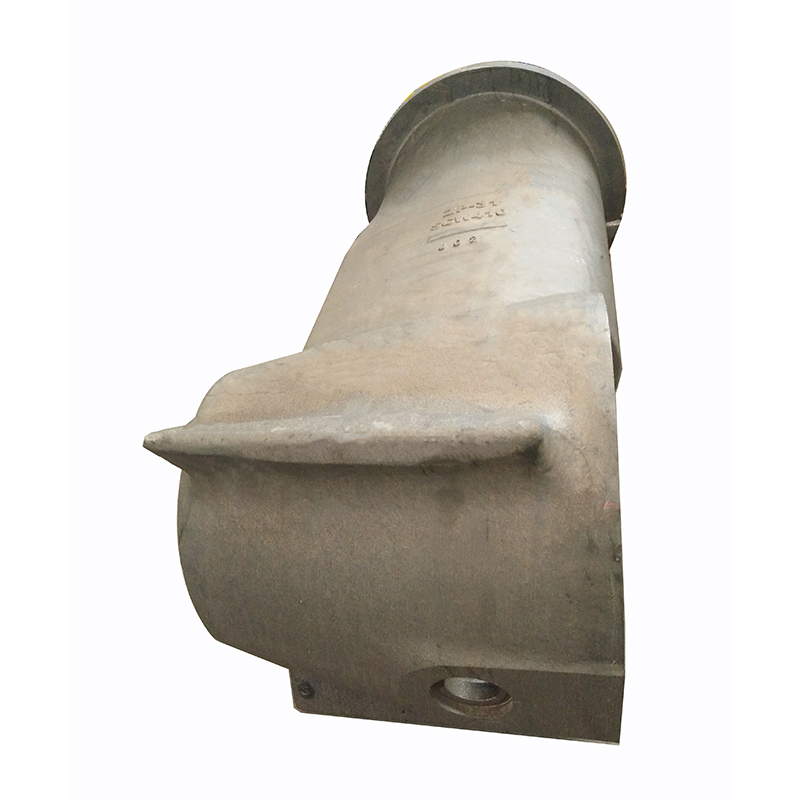
Vendor Comparison and Customized Solutions
Selecting the right supplier for cast iron steel pipe and related `iron and steel casting services` is a strategic decision that impacts project timelines, operational costs, and long-term reliability. A comprehensive vendor comparison considers not just price, but also expertise, quality assurance, and capacity for customization.
Key Factors for Vendor Comparison:
- Certifications and Compliance: Verify adherence to international standards like ISO 9001, ASTM, ASME, API. Certifications demonstrate a commitment to quality and process control.
- Experience and Track Record: Look for a vendor with significant years of service in the industry and a portfolio of successful projects, especially in your target sector (e.g., `mining machinery steel casting`, `marine gear boxes`).
- Technological Capability: Assess their `types of steel casting` technologies (e.g., centrifugal, investment, sand casting), heat treatment facilities, and `CNC machining` capabilities. Advanced technology leads to higher precision and superior product performance.
- Metallurgical Expertise: A strong in-house metallurgical team is crucial for material selection, alloy development, and troubleshooting, ensuring the optimal solution for complex challenges.
- Quality Control & Testing: Inquire about their NDT capabilities, hydrostatic testing procedures, and data traceability protocols. Robust QC reduces field failures.
- Customization & Engineering Support: The ability to provide bespoke solutions, from unique pipe dimensions like a specific `outside diameter of 4 inch cast iron pipe` to special alloy compositions, is a significant differentiator.
- After-Sales Support: Availability of technical support, spare parts, and warranty commitments are vital for long-term partnership.
Our Approach to Customized Solutions:
We specialize in providing tailored solutions, recognizing that off-the-shelf products often fall short for unique industrial demands. Our engineering team collaborates closely with clients from conceptual design through to final production.
- Design Optimization: Utilizing advanced CAD/CAE software for fluid dynamics and stress analysis to optimize pipe geometry and wall thickness, ensuring performance while minimizing material use.
- Material Development: Custom alloy formulations to meet specific requirements for corrosion resistance (e.g., highly acidic or alkaline media), abrasion resistance (e.g., slurry transport), or extreme temperature cycling.
- Integrated Manufacturing: Seamless integration of casting, forging, and advanced machining processes to produce complex assemblies, such as a specialized `marine gear boxes` housing with integrated pipe connections, reducing assembly time and improving reliability.
- Rapid Prototyping: For highly specialized components, we can develop prototypes for testing and validation before full-scale production, reducing risk and accelerating project timelines.
This bespoke approach ensures that every cast iron steel pipe or component is perfectly matched to its intended application, delivering superior performance and extended operational life.
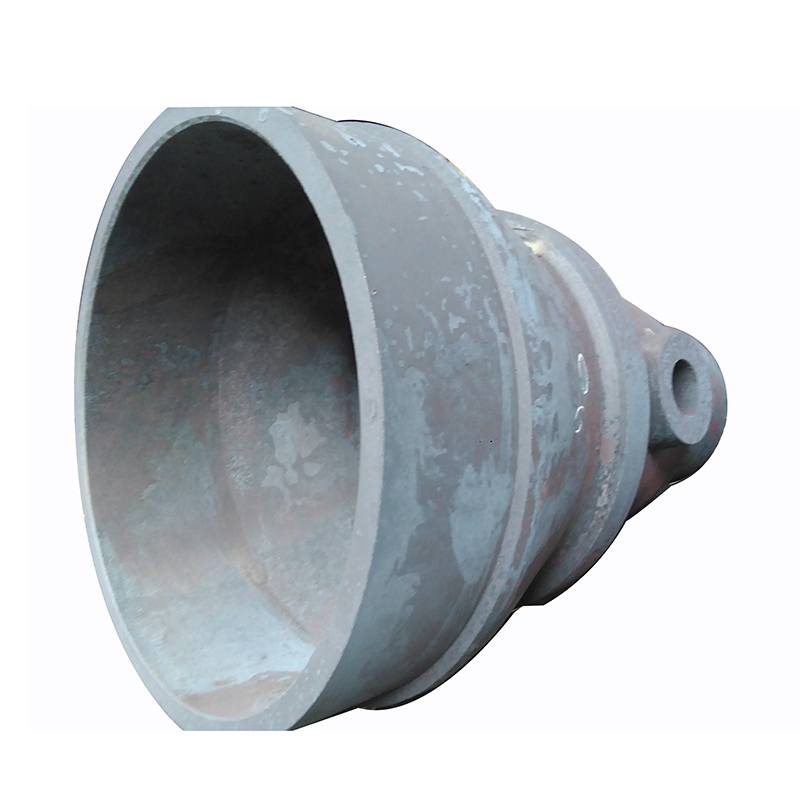
Application Case Studies
Real-world applications showcase the tangible benefits of high-quality cast iron steel pipe and advanced `casting of steel` components. Our solutions have consistently delivered exceptional performance in challenging environments.
Case Study 1: High-Pressure Slurry Transport in Mining
A major iron ore mining operation in Western Australia faced persistent challenges with severe abrasion and premature wear in their conventional slurry pipelines. The high velocity and abrasive nature of the ore slurry led to frequent pipe replacements, resulting in significant downtime and maintenance costs.
- Challenge: Excessive wear in existing slurry lines.
- Solution: We provided custom-engineered `mining machinery steel casting` pipes made from a proprietary high-chromium alloy steel, specifically designed for extreme abrasion resistance. These cast iron steel pipe sections were produced using centrifugal casting for optimal density and wear surface integrity.
- Results: The new pipelines demonstrated a service life increase of over 300% compared to previous solutions. This led to a 60% reduction in annual maintenance expenditures for that section of the plant and a 15% improvement in overall operational uptime, significantly enhancing productivity.
Case Study 2: Marine Propulsion System Components
A leading global `marine gearbox manufacturers` needed highly robust and corrosion-resistant components for their next-generation `marine gear boxes` designed for deep-sea vessels. The operating environment demanded materials capable of withstanding constant saltwater exposure, extreme torque, and vibrational stresses.
- Challenge: Need for high-strength, corrosion-resistant, precision-cast components for critical marine propulsion.
- Solution: We developed specialized alloy steel `castings steel` components, including housings and connecting pipes, utilizing investment casting for intricate geometries and superior surface finish. The chosen alloy offered exceptional resistance to cavitation and saltwater corrosion, paired with high fatigue strength.
- Results: The client achieved a 20% weight reduction in the gearbox housing without compromising structural integrity, contributing to fuel efficiency. The enhanced material properties extended the operational life of the gearboxes by an estimated 25%, reducing the need for costly dry-dock maintenance. This collaboration underscores our expertise not only in `cast steel pipe` but in comprehensive `iron and steel casting services`.
Case Study 3: Large Diameter Water Supply Infrastructure
A municipal water authority required large diameter (e.g., >800mm) pipes for a new city-wide water distribution network, prioritizing long-term durability and minimal leakage over a projected 100-year service life.
- Challenge: Long-life, leak-proof large diameter pipes for critical urban water infrastructure.
- Solution: We supplied ductile iron pipe (a specialized form of cast iron steel pipe known for its strength and ductility) with advanced internal and external corrosion protection coatings. Each pipe underwent rigorous hydrostatic and non-destructive testing, far exceeding standard requirements.
- Results: The project successfully integrated thousands of meters of pipe, with zero reported leaks during commissioning and initial operation, significantly reducing water loss. The projected service life far exceeds typical infrastructure lifespans, minimizing future replacement costs and ensuring reliable water supply for generations.
Trustworthiness, Support & FAQs
Our Commitment to Trust:
- Quality Certifications: We are ISO 9001:2015 certified, and our products adhere to relevant ASTM, ASME, API, and CE standards. All our testing facilities are regularly audited and compliant with international norms.
- Warranty Commitment: All our cast iron steel pipe products and custom castings come with a comprehensive 2-year warranty covering manufacturing defects and material integrity under specified operating conditions. Extended warranties are available for critical applications.
- Lead Time & Fulfillment: Standard `cast steel pipe` products typically have a lead time of 4-6 weeks. Custom `iron and steel casting services` or complex `types of steel casting` projects require 8-12 weeks, depending on design complexity and material specifications. We maintain a robust supply chain and transparent communication on all project timelines.
- Customer Support: Our dedicated technical support team is available 24/7 for emergency assistance, troubleshooting, and expert advice. We offer on-site support for installation, commissioning, and periodic maintenance checks, ensuring seamless integration and optimal performance of our products.
Frequently Asked Questions (FAQs):
Q1: What is the primary difference between cast iron and cast steel pipes?
A1: While both are iron-carbon alloys, cast iron generally has a higher carbon content (>2%) and exhibits excellent compression strength but is brittle. Cast steel (carbon content cast iron steel pipe" terminology encompasses the broader range of robust metallic pipes used in industrial settings, often referring to cast steel for higher performance requirements.
Q2: Can you provide custom dimensions, such as a specific outside diameter of 4 inch cast iron pipe, or unique wall thicknesses?
A2: Absolutely. Customization is one of our core strengths. We can manufacture `cast steel pipe` to precise dimensional specifications, including non-standard outside diameters, wall thicknesses, and lengths, to perfectly integrate with your existing infrastructure or new design requirements. Our `CNC machining` capabilities ensure accuracy.
Q3: What types of steel casting methods do you utilize for complex components?
A3: We employ various advanced `types of steel casting` methods, including sand casting for larger, less complex parts; investment casting for intricate geometries and high precision; and centrifugal casting for cylindrical shapes requiring superior density and integrity, common in cast iron steel pipe manufacturing. The selection depends on the component's design, material, and performance requirements.
Q4: How do you ensure the corrosion resistance for pipes used in marine environments or chemical processing?
A4: For severe corrosive environments, we recommend specific alloy compositions, such as duplex stainless steel (e.g., UNS S31803, S32750) or super austenitic stainless steel (e.g., 6Mo alloys). These materials provide exceptional resistance to pitting, crevice corrosion, and stress corrosion cracking. Furthermore, appropriate surface treatments and coatings can be applied to enhance protection. Our `marine gear boxes` components often leverage these advanced materials.
Q5: What documentation is provided with your products for traceability and compliance?
A5: Every shipment comes with comprehensive documentation, including material test reports (MTRs) compliant with EN 10204 3.1 or 3.2, NDT reports, dimensional inspection reports, heat treatment records, and certificates of conformity. This ensures full traceability from raw material to final product, supporting your quality assurance and regulatory compliance needs.

Conclusion
The selection and implementation of advanced piping solutions, particularly those involving cast iron steel pipe, are pivotal for the operational success and safety of modern industrial infrastructure. From the precision of `iron and steel casting services` to the rigorous testing of finished `cast steel pipe`, every step in the manufacturing process is designed to deliver unparalleled durability, performance, and long-term value. Our commitment to expertise, experience, authoritativeness, and trustworthiness ensures that clients receive not just a product, but a reliable and customized solution backed by extensive technical support and industry-leading certifications. As industries evolve and demand for high-performance materials grows, our innovations in `casting of steel` continue to set benchmarks for reliability and efficiency.
References
- ASTM International. (2023). Standards for Cast Iron and Steel. Retrieved from www.astm.org
- ISO (International Organization for Standardization). (2022). Quality Management Standards. Retrieved from www.iso.org
- American Petroleum Institute (API). (2023). Petroleum and Natural Gas Industries Standards. Retrieved from www.api.org
- ASM International. (2020). ASM Handbook Volume 15: Casting.
- European Committee for Standardization (CEN). (2021). EN Standards for Piping and Pressure Equipment.
-
BAC Heat Exchangers: Efficient, Durable Cooling Solutions for Industry
NewsDec.08,2025
-
Cross Flow Condenser Explained – Insights from Industrial Equipment Experts
NewsDec.08,2025
-
Efficient Heating Coils Heat Exchangers for Industrial Thermal Systems
NewsDec.08,2025
-
Liquid Vapour Heat Exchanger – Reliable Industrial Heat Transfer Solutions | Casiting
NewsDec.08,2025
-
Packaged Plate Heat Exchanger Insights | Industrial Equipment Guide
NewsDec.07,2025
-
Refrigeration Shell And Tube Condenser – Durable Industrial Cooling Solutions by Casiting
NewsDec.07,2025