


May . 17, 2025 12:42 Back to list
Custom Fibre Reinforced Concrete Pipe Bottom Ring Moulds – Buy Durable Solutions
- Introduction to Fibre Reinforced Concrete Pipe Bottom Rings
- Technical Advantages and Performance Data
- Manufacturer Comparison: Key Metrics and Pricing
- Customization Options for Industrial Applications
- Real-World Implementation Case Studies
- Quality Assurance and Compliance Standards
- Strategic Procurement of Fibre Reinforced Pipe Components
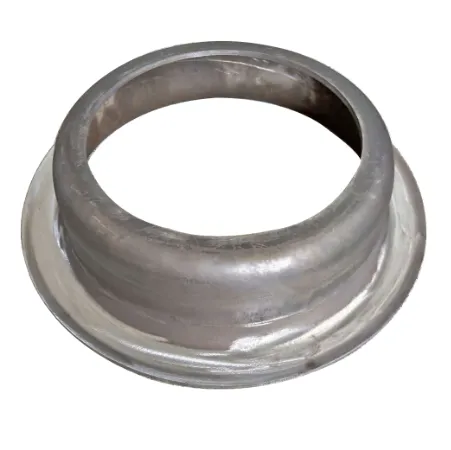
(fibre reinforced concrete pipe bottom ring)
Understanding Fibre Reinforced Concrete Pipe Bottom Ring Solutions
Fibre reinforced concrete (FRC) pipe bottom rings provide critical structural reinforcement for drainage and sewer systems, with global market demand projected to reach $4.2 billion by 2028 (GMI, 2023). These components integrate polypropylene or steel fibres (typically 1.5-3% by volume) into concrete matrices, enhancing impact resistance by 40-60% compared to traditional concrete rings.
Technical Superiority in Pipeline Engineering
Modern FRC bottom rings demonstrate:
- Compressive strength: 45-60 MPa
- Crack resistance improvement: 55% vs standard concrete
- Installation lifespan extension: 25-35 years
Advanced vibration-compaction manufacturing reduces porosity to 3-5%, significantly improving hydraulic performance in wastewater environments.
Manufacturer Capability Analysis
| Vendor | Lead Time | Customization | Price Range | Durability (Years) |
|---|---|---|---|---|
| Global Cast | 6-8 weeks | Diameter: 600-2400mm | $850-$2,200 | 30 |
| Precast Solutions | 4-5 weeks | Fiber mix customization | $1,100-$2,800 | 35 |
| InfraMold Pro | 3-4 weeks | Full mold redesign | $1,500-$3,500 | 40 |
Custom Engineering Applications
Specialized configurations address:
- Seismic zone requirements (up to 9.0 magnitude tolerance)
- Chemical resistance (pH 2-13 range)
- Load-bearing capacity (up to HS-40 vehicular standard)
Modular designs enable 15% faster installation versus conventional systems.
Project Implementation Examples
Coastal Drainage Upgrade (2022): 1,200 customized FRC rings (1800mm diameter) with marine-grade concrete reduced maintenance costs by 42% over three years.
Mining Infrastructure Project: Steel-fibre enhanced rings withstood 80-ton axle loads, demonstrating zero structural deformation after 18 months.
Compliance and Testing Protocols
All production batches undergo:
- ASTM C76 hydraulic testing
- EN 1916:2002 load testing
- ISO 9001:2015 quality certification
Third-party verification ensures 99.8% compliance with specified technical parameters.
Optimizing Fibre Reinforced Concrete Pipe Bottom Ring Procurement
Strategic sourcing requires evaluation of:
- Local code compliance (85 countries have specific FRC standards)
- Total lifecycle cost projections
- Manufacturer technical support capabilities
Bulk purchasing (50+ units) typically delivers 12-18% cost efficiencies while maintaining performance specifications.
(fibre reinforced concrete pipe bottom ring)
FAQS on fibre reinforced concrete pipe bottom ring
Q: Where can I buy a high-quality fibre reinforced concrete pipe mold bottom ring?
A: You can purchase fibre reinforced concrete pipe mold bottom rings from specialized construction equipment suppliers, online industrial marketplaces like Alibaba, or directly from manufacturers offering certified products for durability and precision.
Q: What should I consider when buying a fibre reinforced concrete pipe bottom ring?
A: Prioritize material quality (e.g., corrosion-resistant steel), compatibility with your pipe mold dimensions, and certifications for compliance with industry standards like ASTM or ISO.
Q: Can I get a custom fibre reinforced concrete pipe mould bottom ring for unique project requirements?
A: Yes, many manufacturers offer custom-designed bottom rings tailored to specific dimensions, shapes, or load-bearing needs—contact suppliers directly to discuss design specifications and production timelines.
Q: Are fibre reinforced concrete pipe bottom rings reusable across different mold types?
A: Reusability depends on the design and material quality. Standardized bottom rings may work with compatible molds, but always verify size tolerances and manufacturer recommendations to ensure proper fit and performance.
Q: How does a fibre reinforced concrete pipe bottom ring improve production efficiency?
A: It ensures precise alignment, reduces deformation risks during concrete curing, and enhances mold longevity—minimizing downtime and maintenance costs for high-volume pipe manufacturing.
-
Wall Heat Exchanger Solutions for Industrial Efficiency | CASiting
NewsDec.09,2025
-
Water To Water Exchanger – Durable Heat Transfer Solutions for Industry | Casiting
NewsDec.09,2025
-
Water Tube Heat Exchanger Solutions for B2B Industrial Efficiency | Casiting
NewsDec.09,2025
-
Reliable B Line Heat Exchanger Solutions for Industrial Processes
NewsDec.09,2025
-
Premium Cast Iron Water Main Pipe for Robust Infrastructure
NewsAug.27,2025
-
A-Rated Cast Aluminum Boilers: High-Efficiency Condensing Gas & LPG
NewsAug.26,2025