


Oct . 14, 2025 08:20 Back to list
Cast Iron Water Main Pipe – Durable, Corrosion-Resistant
What’s Quietly Powering Today’s Water Mains: Tooling Behind the Pipe
If you work with cast iron water main pipe, you probably think in diameters, joint types, and leak rates. But in the factory, the unsung heroes are the mold pallets and base rings that shape every joint—deciding whether a bell will seal perfectly or nag your crews with call-backs. I’ve walked a few of these foundries; the good ones look almost boring, which is a compliment. Precision tends to be quiet.
Industry trend check
Utilities are modernizing: ductile iron has largely displaced gray iron; push-on rubber ring joints dominate; linings and coatings are now table stakes. Many cities mix cast iron water main pipe segments with reinforced concrete or HDPE for crossings and jacking sections. What hasn’t changed is the need for repeatable joint geometry. That’s where cast steel/ductile iron pallets and bottom rings earn their keep—especially for rubber-ring bells in AWWA C111/EN 545 families.
Product snapshot: mold pallet, bottom ring, base ring
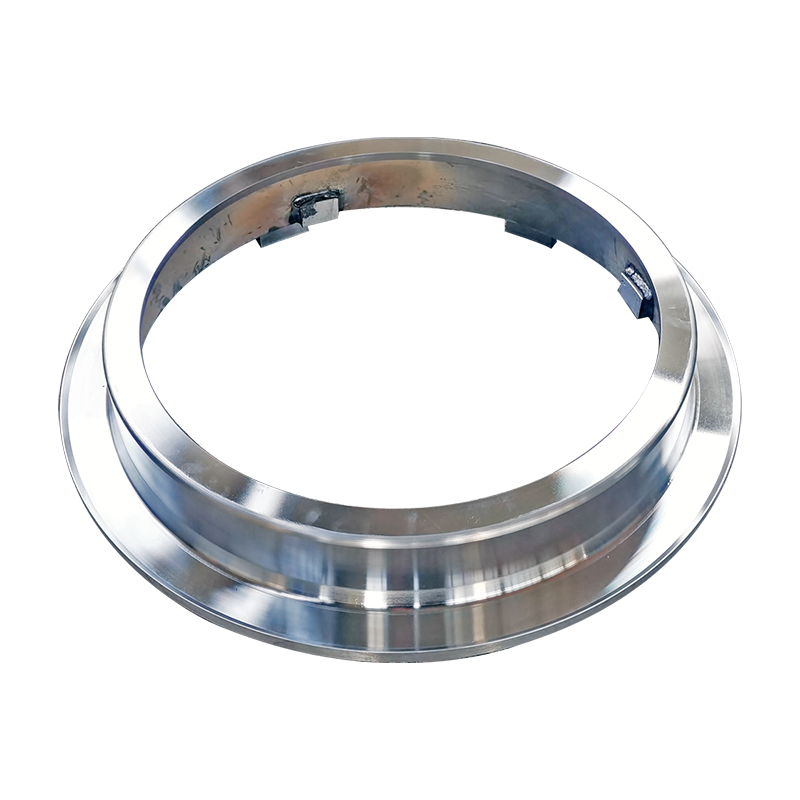
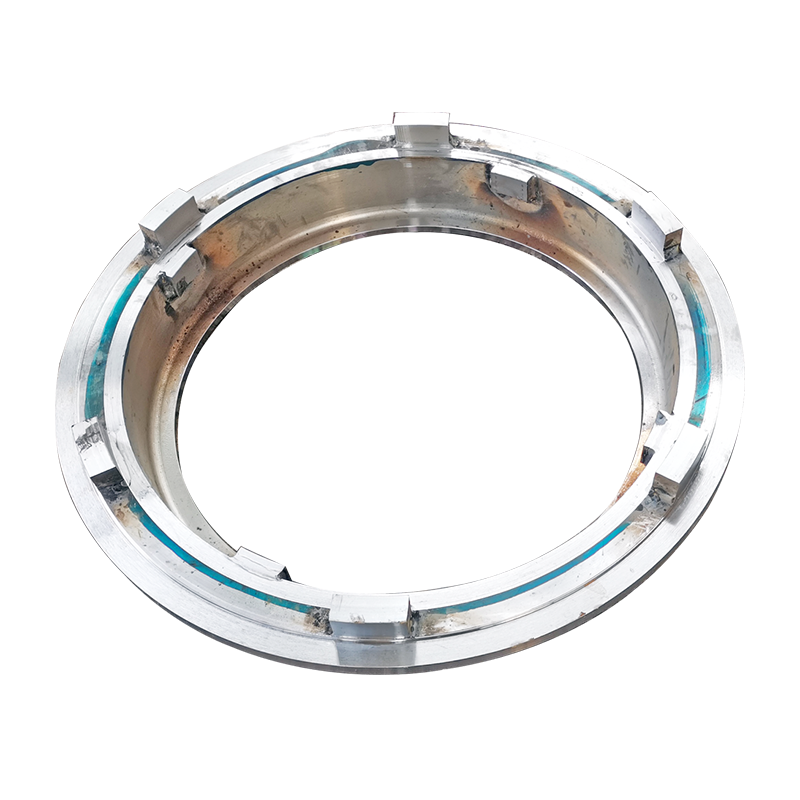
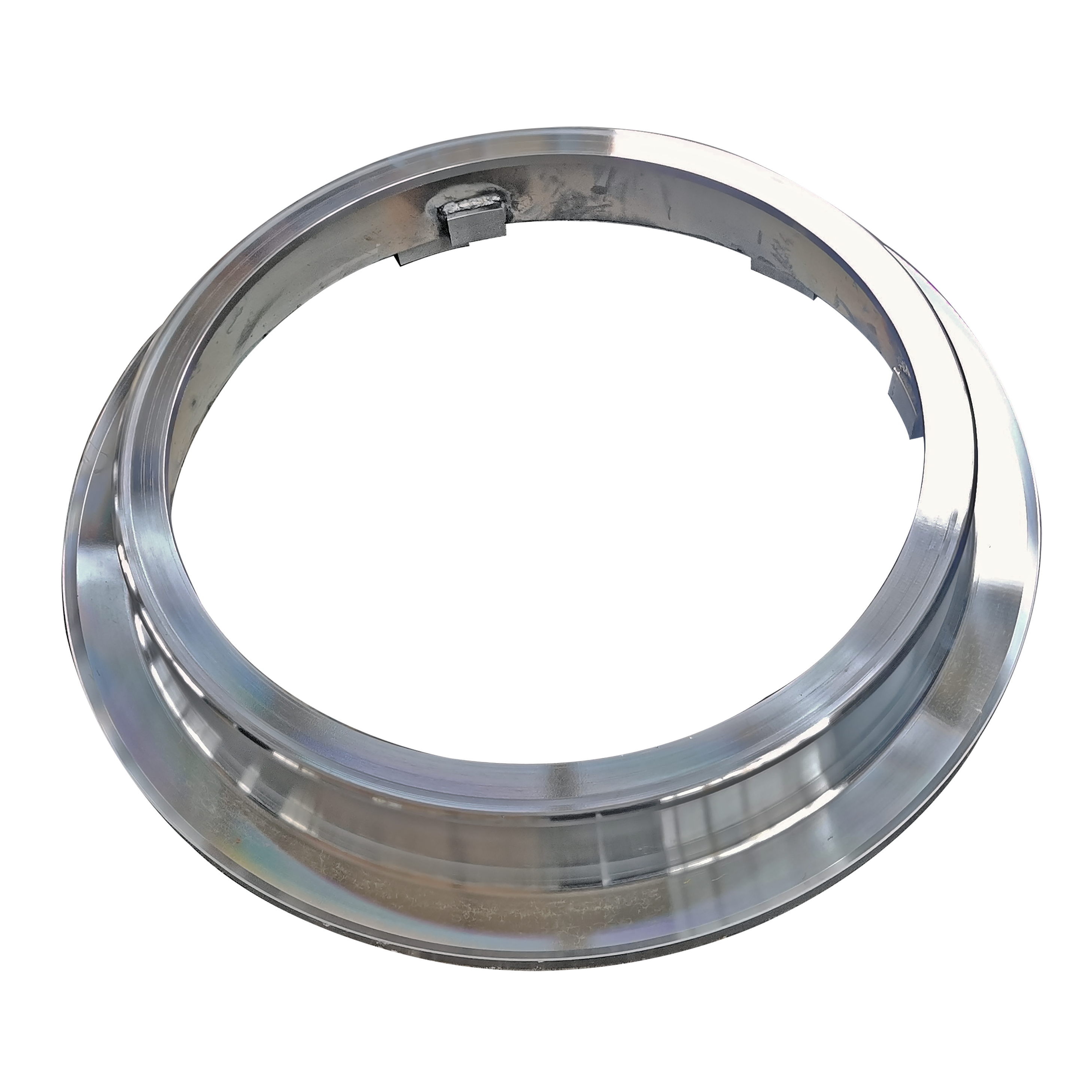
From CASITING (Shijiazhuang, Hebei, China), the Cast Steel Rubber Ring Joint Reinforced Concrete Pipe Mold Pallet / RCP Bottom Ring is a customizable tooling set used for producing bell-and-spigot ends in reinforced concrete pipes and compatible profiles for water-main-grade joints. To be honest, half the joint performance happens here—before the pipe ever hits the trench.
| Spec | Details (≈ values; real-world use may vary) |
|---|---|
| Materials | Cast steel, ductile cast iron, gray cast iron, punching carbon steel |
| Processes | Casting, welding, bending, annealing, lathing, machining |
| Size range | DN 300–3000 (custom per drawing) |
| Dimensional tolerance | Bell ID ±0.3–0.5 mm; face runout ≤0.3 mm (typical test data) |
| Hardness (HB) | ≈170–210 HB after annealing |
| Standards interface | Joint geometry per AWWA C111, EN 545/ISO 2531 profiles, EN 681-1 elastomer compatibility |
| Origin / Shipping | RM315, Baihui Building, No.57 Sizhong Rd, Qiaoxi, Shijiazhuang, Hebei, China; FOB Tianjin Xingang; CFR/CIF by 20'/40' OT/GP |
Process flow, testing, and lifespan
Typical flow: patterning → casting (ductile iron or cast steel) → stress relief/annealing → rough and finish machining → lathing of bell contour → dimensional and surface checks → trial assembly with rings/gaskets. Testing often includes UT/MT (soundness), hardness, and full-profile CMM scans. Plants using these pallets report service life of several production seasons—thousands of pulls—assuming correct release agents and storage. For pipeline performance, utilities still rely on hydrostatic tests around 1.0–2.5 MPa and deflection checks per AWWA C600 and EN standards.
Where it’s used
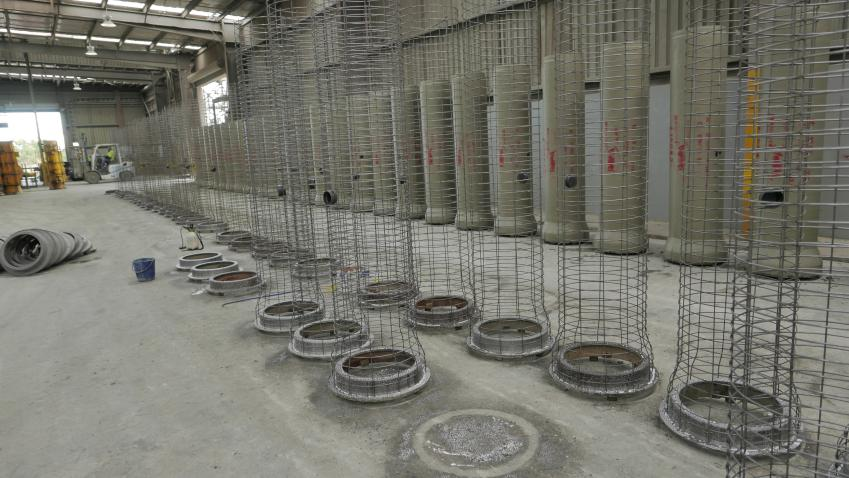
- Municipal RCP for potable transmission parallel to cast iron water main pipe corridors
- Storm/sewer pressure-rated segments with push-on gaskets
- Jacking and microtunneling sections needing precise bells
Why operators care
- Repeatable bell geometry = faster field assembly and fewer leaks
- Customization to match legacy joint profiles in mixed networks
- Rugged metallurgy handles high cycle counts
Vendor comparison (quick take)
| Vendor | Material options | Customization | Lead time | Notes |
|---|---|---|---|---|
| CASITING (Hebei) | Cast steel, ductile iron, gray iron, carbon steel | ODM/OEM per drawings; bell profiles per AWWA/EN | ≈3–6 weeks after approval | FOB Tianjin; CMM reports available |
| Vendor B | Ductile iron | Limited profiles | ≈6–8 weeks | Good for small DN |
| Vendor C | Cast steel | Custom, premium cost | ≈4–10 weeks | Strong QA, longer queue |
Mini case notes
A Midwestern utility mixing ductile mains with RCP crossings saw 22% fewer gasket seating issues after shifting to tighter-tolerance pallets. Another coastal precast yard reported bell face rework dropping from “every tenth pipe” to “about 1 in 60.” Many customers say the change feels small—until nighttime leak alarms stop, which is the whole point.
Compliance, paperwork, and the boring but useful stuff
- Profiles aligned to AWWA C111 (push-on joints), EN 545/ISO 2531
- Elastomer compatibility to EN 681-1; lining interfaces to AWWA C104
- Factory QA: ISO 9001:2015 certificates and dimensional reports on request
Bottom line: well-made pallets quietly improve the reliability of cast iron water main pipe networks by making each bell consistent. It’s not glamorous—but neither is digging up a boulevard twice.
- AWWA C151/A21.51 Ductile-Iron Pipe, Centrifugally Cast
- AWWA C111/A21.11 Rubber-Gasket Joints for Ductile-Iron Pressure Pipe
- ISO 2531 Ductile iron pipes, fittings, accessories and their joints
- EN 545 Ductile iron pipes, fittings, accessories and their joints for water pipelines; EN 681-1 Elastomeric seals
-
BAC Heat Exchangers: Efficient, Durable Cooling Solutions for Industry
NewsDec.08,2025
-
Cross Flow Condenser Explained – Insights from Industrial Equipment Experts
NewsDec.08,2025
-
Efficient Heating Coils Heat Exchangers for Industrial Thermal Systems
NewsDec.08,2025
-
Liquid Vapour Heat Exchanger – Reliable Industrial Heat Transfer Solutions | Casiting
NewsDec.08,2025
-
Packaged Plate Heat Exchanger Insights | Industrial Equipment Guide
NewsDec.07,2025
-
Refrigeration Shell And Tube Condenser – Durable Industrial Cooling Solutions by Casiting
NewsDec.07,2025