


Oct . 23, 2025 11:45 Back to list
Cast Iron Water Main Pipe | Durable, Leak-Tight, Long-Life
Why Specifiers Still Choose Cast Iron Water Main Pipe in 2025
If you manage municipal infrastructure, you’ve probably wrestled with whether a Cast Iron Water Main Pipe (strictly, ductile iron these days) still earns its keep versus PVC or HDPE. To be honest, the answer isn’t one-size-fits-all. But after years on job sites and in pre-bid meetings, it seems the combination of surge resilience, fire protection performance, and century-scale durability keeps iron in the conversation—loudly. Below, I’ll go deep: specs, process flow, test standards, and some candid field notes.
Market trends (quick take)
Urban renewal is pushing larger diameters and higher pressure classes; utilities are asking for restrained joints for seismic zones; and coastal projects lean into zinc-aluminum metallic coatings with epoxy overcoats. Actually, price swings have narrowed between materials in some regions, so life-cycle analysis now drives selection more than sticker price. Many customers say DI’s “quiet” operations under transient events (water hammer, firefighting flows) are worth the heft.
Process flow: how modern DI mains are made
Materials: high-grade pig iron + steel scrap, nodularized with Mg to achieve graphite nodules (ASTM A536). Methods: centrifugal casting for pipe bodies; annealing to stabilize microstructure; zinc or Zn-Al metal spray (≈130–200 g/m²), optional epoxy/bitumen overcoat; cement-mortar lining (AWWA C104) or high-build epoxy for special waters. Testing: 100% hydrostatic test (often ≥ 500 psi for qualification), dimensional checks, ultrasonic or eddy-current where specified. Standards: AWWA C150/C151 for DI pipe, ISO 2531 / EN 545 for international jobs. Service life: around 100 years with correct bedding, gaskets, and corrosion control (e.g., polyethylene encasement per AWWA C105) in aggressive soils.
Representative specifications (municipal water)
| Parameter | Typical Range (≈) | Notes |
|---|---|---|
| Diameter | DN100–DN1200 | Larger on request |
| Pressure Class | CL150–CL350 (AWWA) | ISO PN10–PN40 equivalents |
| Length | 5.5–6 m per stick | Joint-to-joint, real-world use may vary |
| Joints | Push-on, mechanical, restrained, flanged | Gaskets NSF/ANSI 61 for potable |
| Lining/Coating | CML per C104; Zn/Zn-Al + epoxy/bitumen | PE encasement per C105 in aggressive soils |
Vendor snapshot (what buyers compare)
| Vendor | Lead Time (≈) | Certs | Coating Options | Notes |
|---|---|---|---|---|
| Foundry A (Hebei, China) | 4–8 weeks | ISO 9001, ISO 14001 | Zn, Zn-Al, epoxy | Competitive pricing; address: RM315, No.57 Sizhong Rd., Shijiazhuang |
| Mill B (EU) | 6–10 weeks | EN 545, NSF/ANSI 61 | Zn-Al + polyurethane | Premium coatings for coastal |
| Distributor C (NA) | Stock–4 weeks | AWWA, UL/FM | Factory standard | Fast delivery, slightly higher cost |
Applications and why teams pick it
Municipal grids, fire-protection mains, industrial cooling loops, and long trunk lines. Advantages: high burst and cyclic pressure tolerance, good trenchless pull-in with restrained joints, fire resistance, recyclability. In fact, utilities tell me Cast Iron Water Main Pipe is a “sleep-at-night” choice in mixed soil corridors with traffic loads and unknown future demands.
Case notes (real projects)
Coastal city, 18 km of DN400 Cast Iron Water Main Pipe: zinc-aluminum + epoxy, CML lining. Result after 24 months: NRW down ≈12%, zero recorded main breaks despite two major surge events. “We’d budgeted for at least one repair—none so far,” the project manager said.
Mountain town with freeze–thaw: DN200 grid using restrained joints for seismic considerations. Hydrostatic acceptance at 1.5× operating pressure; five-year review shows no red water complaints and stable headloss.
Testing, certifications, customization
Specify AWWA C600 for installation, C104 for lining, C105 for PE encasement, and C151 for pipe. Ask for NSF/ANSI 61 gaskets/linings for potable. Custom options: diameters, pressure class, joint type, locking gaskets, trace wire tabs, and coating stacks tailored to soil resistivity per testing. Typical qualification: mill hydrotest, coating DFT checks, lining holiday tests, and third-party witnessing where required.
A quick aside on casting pedigree
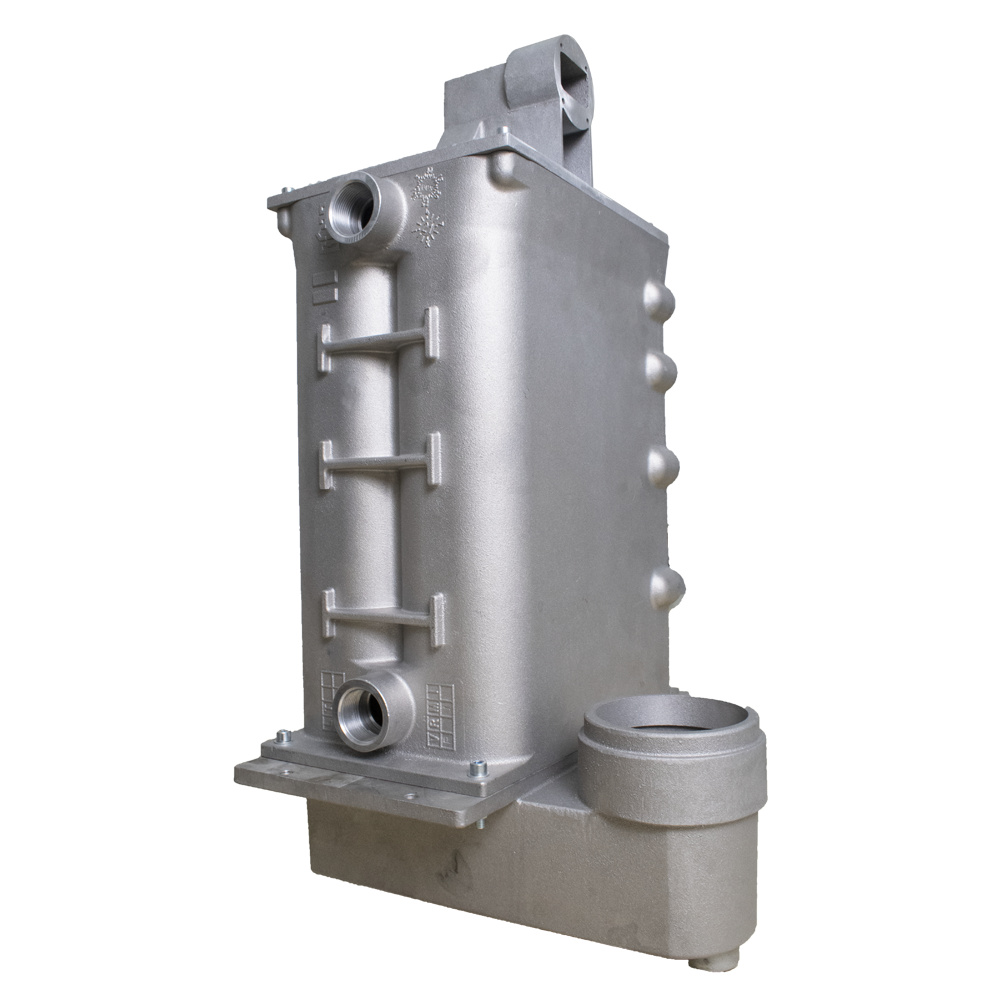
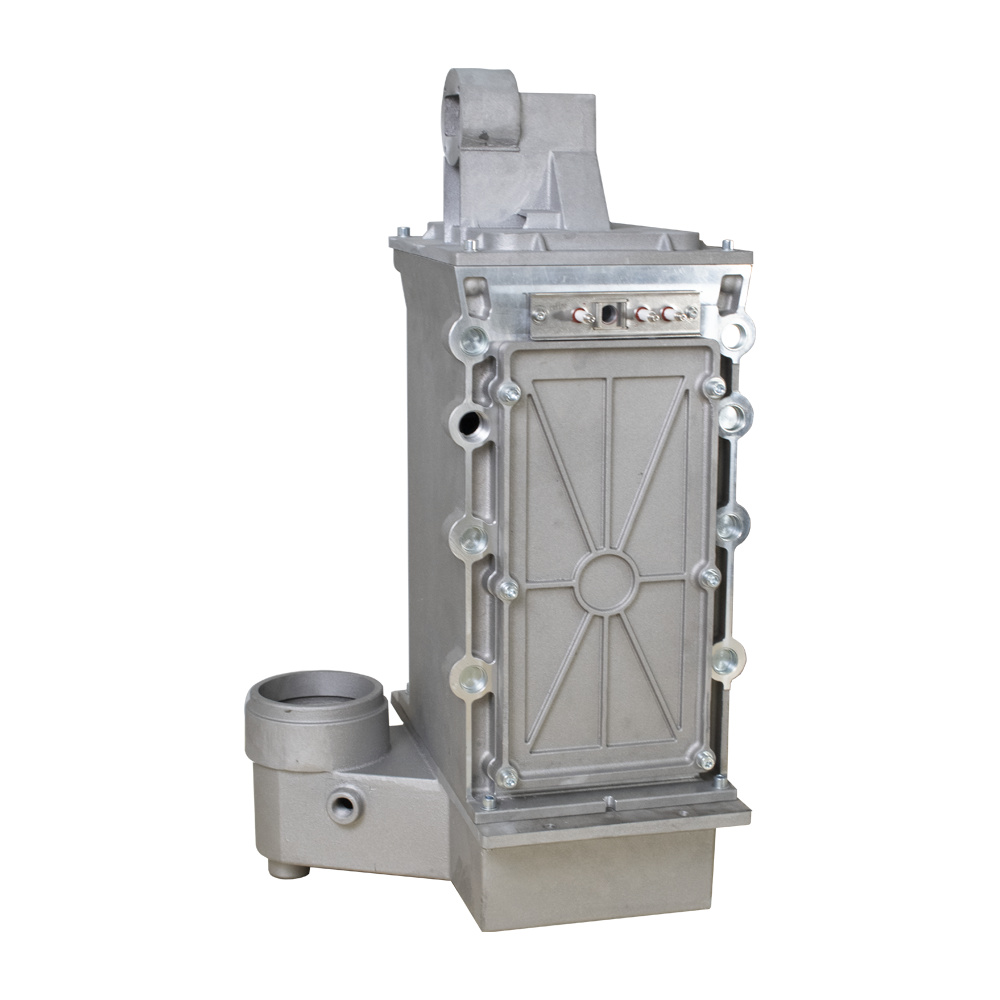
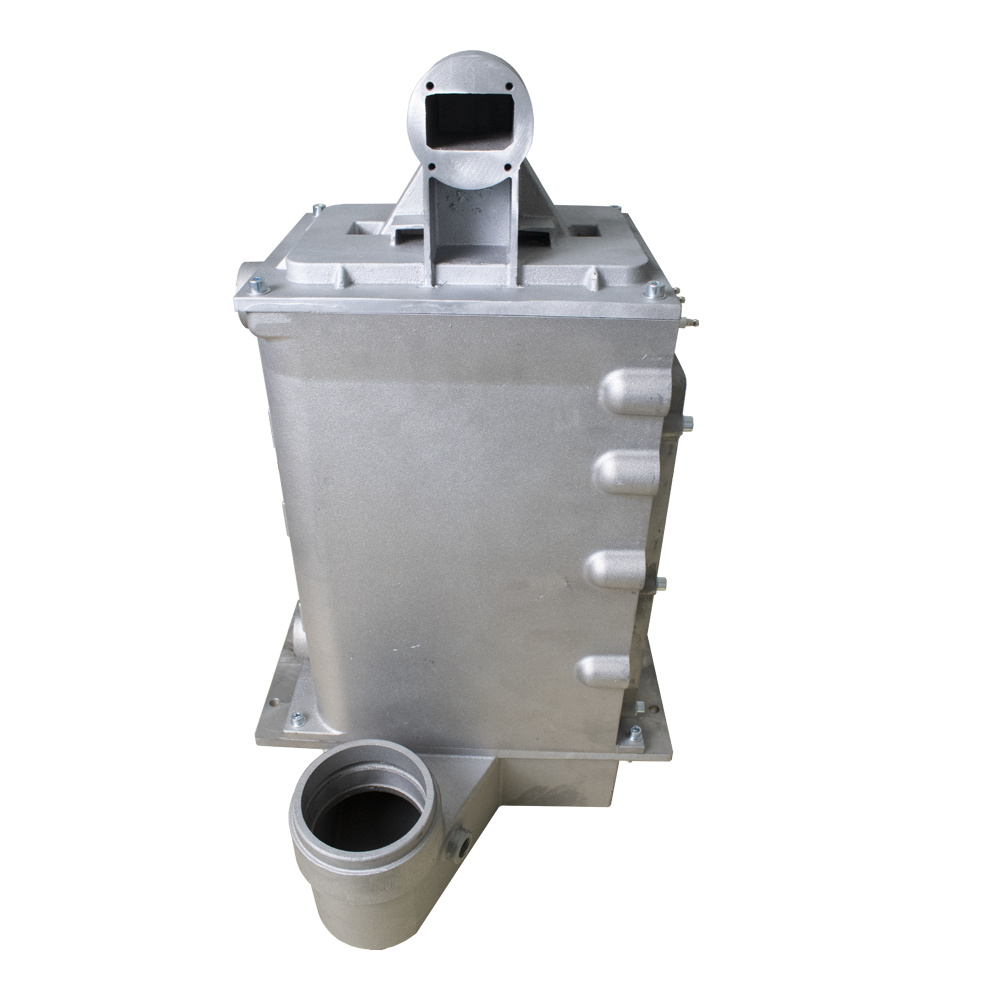
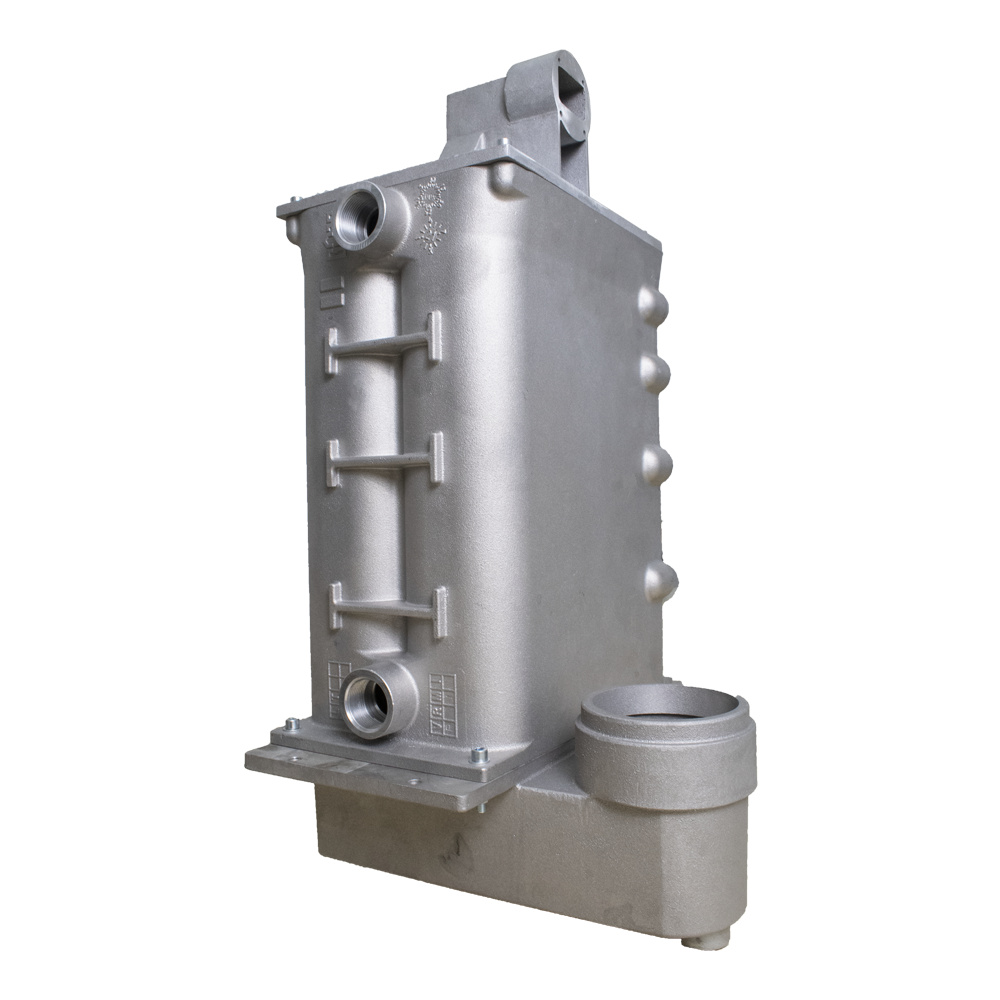
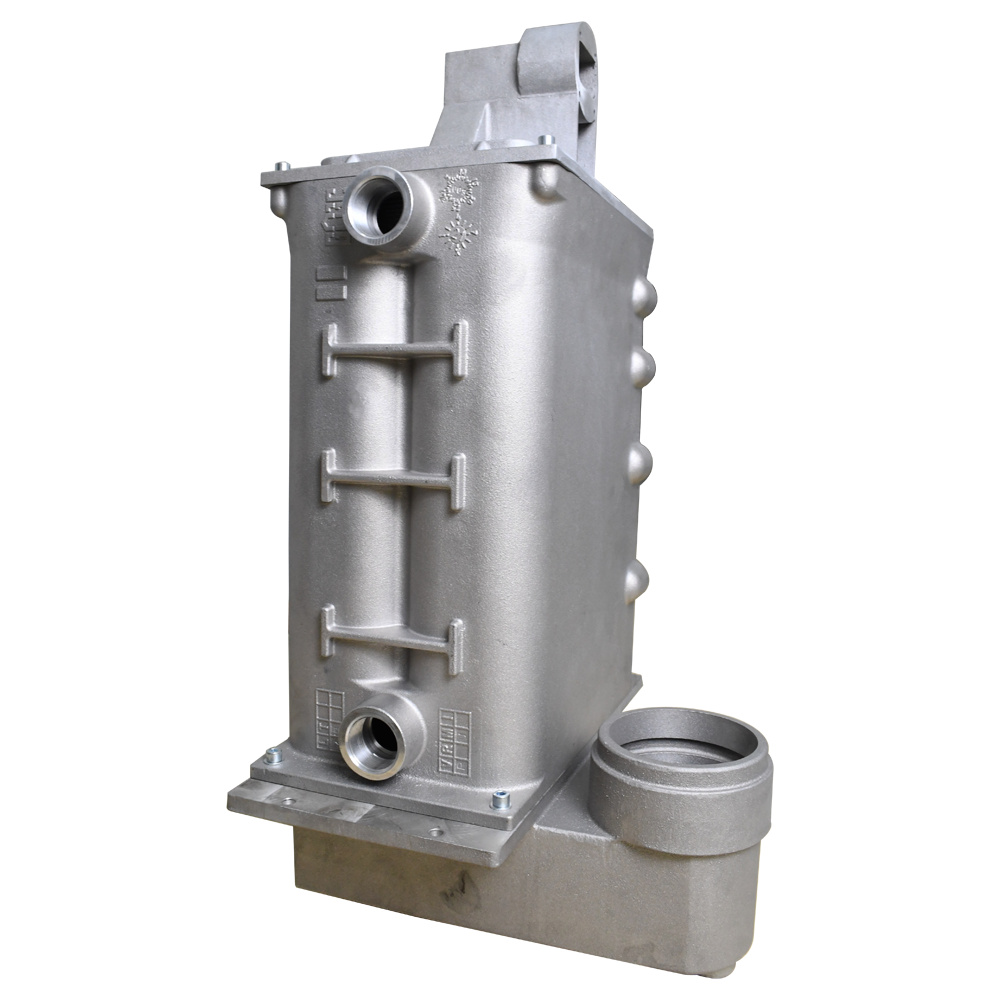
The team at Hebei I visited also casts thermal hardware like an LD Type Heat Exchanger (80/99/120 kW) for small floor-standing condensing boilers—monoblock casting, reverse flue-gas/water flow, 3 waterways parallel design for low resistance, compact and light. It’s not a Cast Iron Water Main Pipe, sure, but it hints at foundry control that, frankly, matters when you’re buying pressure-rated mains.
Authoritative references
-
BAC Heat Exchangers: Efficient, Durable Cooling Solutions for Industry
NewsDec.08,2025
-
Cross Flow Condenser Explained – Insights from Industrial Equipment Experts
NewsDec.08,2025
-
Efficient Heating Coils Heat Exchangers for Industrial Thermal Systems
NewsDec.08,2025
-
Liquid Vapour Heat Exchanger – Reliable Industrial Heat Transfer Solutions | Casiting
NewsDec.08,2025
-
Packaged Plate Heat Exchanger Insights | Industrial Equipment Guide
NewsDec.07,2025
-
Refrigeration Shell And Tube Condenser – Durable Industrial Cooling Solutions by Casiting
NewsDec.07,2025