


Sep . 12, 2025 07:20 Back to list
Durable Cast Iron Water Main Pipe: Reliable Supply for Infrastructure
The Evolution and Application of Cast Iron Water Main Pipes in Modern Infrastructure
In critical infrastructure development, the reliability and longevity of water conveyance systems are paramount. Among the various materials utilized, the cast iron water main pipe has historically been a cornerstone for municipal water supply and distribution networks. Renowned for its robustness and durability, it continues to serve effectively in numerous established systems globally. While newer materials have emerged, the foundational principles and enduring benefits of cast iron for specific applications remain highly relevant, particularly in scenarios demanding high compressive strength and historical compatibility.
This comprehensive overview delves into the industry trends, technical specifications, manufacturing processes, and diverse application scenarios of these vital components, providing B2B decision-makers and engineers with insights into their continued value and strategic deployment.
Industry Trends and Market Dynamics
The market for piping solutions, including cast iron water main pipe, is shaped by several key trends. While ductile iron pipe has largely superseded grey cast iron for new installations due to its superior tensile strength and ductility, traditional cast iron pipes still represent a significant portion of existing infrastructure. Modern trends focus on trenchless technologies for repair and rehabilitation of these existing lines, extending their service life without extensive excavation. Additionally, there's a growing emphasis on smart water networks, necessitating pipe materials that can integrate with advanced sensing and monitoring technologies. Demand for robust `cast iron pipe fittings suppliers` and `ductile iron pipe fittings manufacturers` also remains strong, indicating ongoing maintenance and expansion efforts for both pipe types.
The global push for sustainable water management and reduced non-revenue water (NRW) losses further drives innovation in pipe coatings, joint technologies, and inspection methods applicable to both new and legacy cast iron water main pipe systems.
Technical Specifications and Parameters
The performance of a cast iron water main pipe is defined by its material composition, dimensional accuracy, and mechanical properties. Typically manufactured from grey cast iron, these pipes exhibit high compressive strength, excellent machinability, and good resistance to vibration and thermal shock. Key specifications adhere to international standards such as ISO 2531 for ductile iron pipes, which often provides a benchmark for evaluating legacy cast iron systems, and older ASTM or ANSI standards for cast iron itself.
Typical Specifications for Cast Iron Pipe (Grey Iron)
| Parameter | Typical Value / Range | Relevant Standard |
|---|---|---|
| Material Composition (Carbon Equivalent) | 3.5 – 4.5% C, 1.8 – 2.5% Si, 0.5 – 1.0% Mn | ASTM A48 (Class 30/35) |
| Tensile Strength | 200-250 MPa (29-36 ksi) | ASTM A48 |
| Compressive Strength | ~800-1000 MPa (116-145 ksi) | Industry Reference |
| Hardness (Brinell) | 180-250 HB | ASTM E10 |
| Standard Lengths | 3m, 6m (10ft, 18ft) | Various National Standards |
| Diameter Range | DN 80 - DN 1200 (3-48 inches) | ISO 2531 (for DI, often referenced) |
| Internal Coating | Cement mortar lining, epoxy | AWWA C104 |
| External Coating | Bituminous, zinc + finish coat | AWWA C105 |
Understanding these specifications is crucial for engineers assessing the suitability of `cast iron drain pipes for sale` or `cast iron heating pipes` for particular applications, as well as for those involved in the maintenance and repair of existing systems.
Manufacturing Process Flow for Cast Iron Pipes
The manufacturing of a cast iron water main pipe primarily involves casting, a process perfected over centuries. Modern production employs sophisticated techniques to ensure consistency and quality.
Schematic Steps:
- Raw Material Preparation: High-quality pig iron, scrap iron, ferroalloys (e.g., ferrosilicon, ferromanganese), and carbon additives are carefully selected and weighed to achieve the desired metallurgical composition. This ensures the correct mechanical properties for the end `cast drain pipe` or water main.
- Melting: Materials are melted in induction furnaces or cupolas, reaching temperatures typically between 1400°C and 1500°C. Strict temperature control and atmospheric conditions are maintained to prevent oxidation and ensure homogeneity.
- Centrifugal Casting (De Lavaud Process): This is the most common method for pipe manufacturing. Molten iron is poured into a rapidly rotating cylindrical mold. Centrifugal force distributes the metal evenly, forming a dense, uniform wall. This `centrifugal casting pipe` method produces pipes with excellent concentricity and fine grain structure.
- Annealing: After casting, pipes are typically annealed in a furnace to relieve internal stresses and improve ductility and machinability. This heat treatment process optimizes the microstructure of the cast iron.
- Finishing & Machining: Pipes undergo trimming, deburring, and often CNC machining to create precise spigots, sockets, or flanges. This is crucial for reliable `cast iron plumbing joints` and the overall integrity of the system.
- Lining & Coating: Internal surfaces are typically lined with cement mortar to prevent corrosion and maintain water quality (AWWA C104). External surfaces receive protective coatings, such as zinc and bituminous layers (AWWA C105), to enhance corrosion resistance, especially in aggressive soil conditions.
- Testing & Quality Control: Each pipe undergoes rigorous testing, including hydrostatic pressure tests (e.g., up to 500 psi), dimensional checks, and material analysis (spectrography). Non-destructive testing methods ensure compliance with international standards like ISO and ANSI, guaranteeing product integrity and service life often exceeding 100 years.
This meticulous process ensures that each `cast iron sanitary pipe fittings` and pipe section meets stringent performance and longevity requirements.
Application Scenarios Across Industries
While ductile iron has become the preferred material for new water mains, the existing infrastructure still heavily relies on cast iron water main pipe. Its applications span various critical sectors:
- Municipal Water Supply & Drainage: The most prominent application, serving as primary conduits for potable water distribution, storm drains, and wastewater collection in urban and rural settings. Its robustness against soil shifts and external loads makes it ideal for underground installations.
- Fire Protection Systems: Due to their inherent strength and fire resistance, cast iron pipes are often specified for fire main systems, ensuring reliable water flow under emergency conditions.
- Industrial Applications: In petrochemical plants, metallurgy operations, and power generation facilities, cast iron pipes are used for non-potable water, cooling systems, and effluent lines where chemical resistance and temperature stability are crucial. `Cast iron heating pipes` are also found in older industrial heating networks.
- Historical Preservation Projects: In older cities, maintaining the aesthetic and structural integrity of historical infrastructure often involves repairing or replacing sections of original cast iron pipe, requiring specialized `cast iron pipe fittings suppliers` who can match legacy specifications.
The adaptability and proven track record of cast iron make it a pragmatic choice for specific demanding environments, offering energy saving through reduced leakage when properly maintained, and excellent corrosion resistance due to their protective linings.
Technical Advantages and Performance
Despite the advancements in pipe materials, cast iron water main pipe offers distinct technical advantages that ensure its continued relevance:
- High Compressive Strength: Cast iron exhibits exceptional resistance to external crushing loads, making it highly suitable for deep burial or areas with heavy traffic loads.
- Corrosion Resistance: When properly lined with cement mortar and externally coated, cast iron pipes offer significant resistance to internal corrosion from water and external corrosion from aggressive soil conditions. The internal lining also prevents tuberculation, maintaining flow capacity and water quality.
- Longevity: Many cast iron water mains installed over a century ago are still in service today, demonstrating an impressive service life. This long-term durability reduces replacement frequency and associated costs.
- Vibration Dampening: The material's structure provides good dampening characteristics, reducing noise and vibrations in the pipeline system.
- Chemical Stability: Cast iron is generally stable when exposed to a wide range of water chemistries, further contributing to its long operational life.
These inherent qualities highlight why cast iron water main pipe remains a valuable asset in maintaining robust and resilient utility infrastructure.
Vendor Comparison and Material Alternatives
When sourcing pipes for water distribution, a comparison of available options is essential. While traditional cast iron pipes are still relevant for repair and specific legacy installations, newer materials like ductile iron and various plastic pipes (PVC, HDPE) offer different advantages. Our focus remains on providers capable of supplying high-quality casting services for components like hydraulic couplers, pump wheels, glands, end caps, and offering aluminum casting service, reflecting our comprehensive expertise.
Comparison: Cast Iron vs. Ductile Iron vs. PVC Pipe
| Feature | Cast Iron Pipe (Grey Iron) | Ductile Iron Pipe | PVC Pipe |
|---|---|---|---|
| Material Structure | Flake graphite | Spheroidal graphite | Polyvinyl Chloride |
| Tensile Strength | Low (Brittle) | High (Ductile) | Moderate |
| Impact Resistance | Poor | Excellent | Good (temperature dependent) |
| Corrosion Resistance | Good (with lining/coating) | Excellent (with lining/coating) | Excellent (no rust) |
| Joint Flexibility | Limited | Good (push-on joints) | Moderate (gasketed/solvent weld) |
| Weight | Heavy | Heavy | Light |
| Typical Service Life | 75-100+ years | 100+ years | 50-100 years |
For `ductile cast iron pipe fittings` and similar robust components, our capabilities ensure high-quality, precision-engineered products.
Customized Solutions and Fabrication
Recognizing that every project has unique requirements, particularly when dealing with the maintenance of older infrastructure, we offer customized solutions for cast iron water main pipe and related components. This includes:
- Specialty Fittings: Production of bespoke `cast iron pipe fittings suppliers` and `ductile iron pipe fittings manufacturers` can cater to non-standard dimensions, specific angles, or complex joint configurations. This is critical for seamless integration into existing networks.
- Material Modifications: While the core material is cast iron, adjustments in alloying elements can fine-tune mechanical properties for specific environmental or pressure demands.
- Advanced Coatings and Linings: Beyond standard cement mortar and bituminous coatings, specialized epoxy, ceramic, or polymer linings can be applied for enhanced corrosion resistance in highly aggressive media or for improved flow characteristics (energy saving).
- Precision Machining: For `cast iron plumbing joints` and other critical interfaces, precision CNC machining ensures tight tolerances and optimal sealing performance, minimizing leakage.
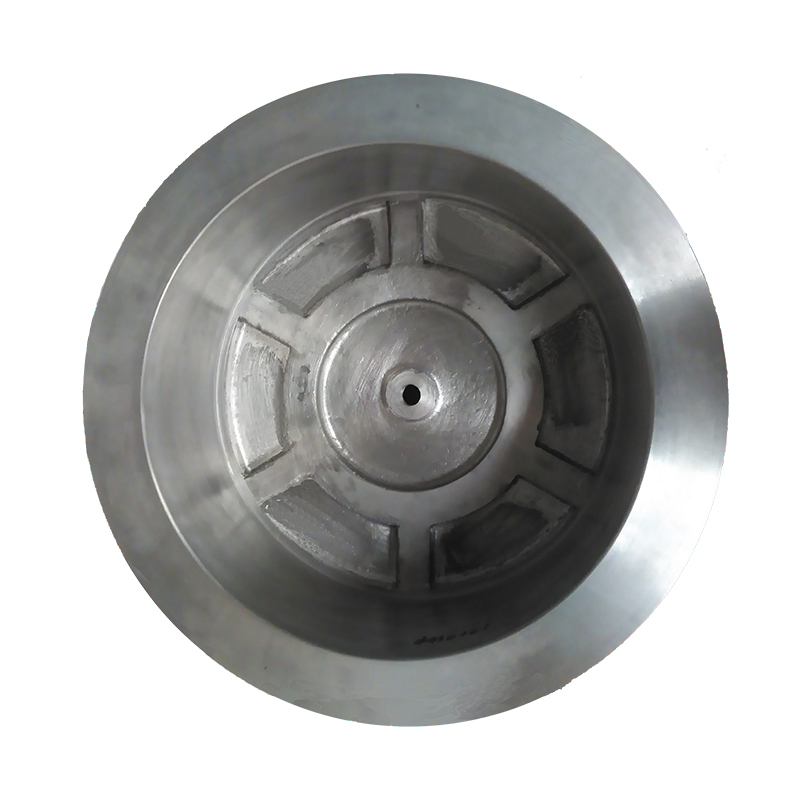
Our engineering team collaborates closely with clients to understand specific project parameters, ensuring that the final product meets both performance expectations and regulatory compliance.
Application Case Studies: Proving Reliability
Our experience in providing high-quality cast iron components and solutions extends across various challenging environments. Below are generalized examples that illustrate the robustness and long-term value of such materials:
Case Study 1: Urban Water Main Rehabilitation
A major metropolitan utility faced deteriorating legacy cast iron water main pipe in a densely populated downtown area, leading to frequent bursts and significant water loss. Instead of full replacement, a trenchless rehabilitation method using internal slip-lining with a custom-fabricated polymer liner was chosen. We provided custom `cast iron plumbing joints` and specific sections of pipe with precise dimensions, ensuring compatibility with the existing system and the new liner. The project significantly reduced water loss by 40% and extended the system's life by an estimated 50 years, demonstrating the economic and environmental benefits of maintaining cast iron infrastructure with modern solutions.
Case Study 2: Industrial Effluent Discharge Line
An industrial client required a robust effluent discharge line resistant to mild chemical abrasives and high external loads from heavy machinery. While new ductile iron pipe was primarily used, critical junction points and connections to older structures necessitated specialized `cast iron sanitary pipe fittings`. Our ability to produce bespoke `ductile cast iron pipe fittings` and grey iron components meeting strict ASTM and ISO standards ensured the integrity and longevity of the entire system, preventing environmental contamination and operational downtime. The solution provided exceptional corrosion resistance and sustained high flow rates over years of continuous operation.
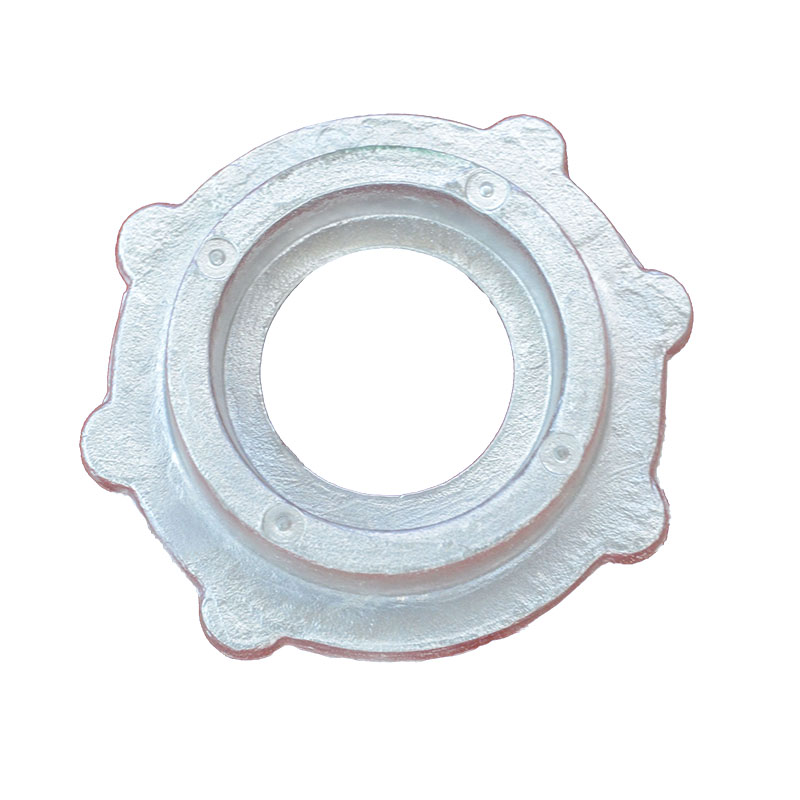
These cases underscore our commitment to delivering reliable, engineered solutions that address the unique challenges of infrastructure projects involving cast iron.
Frequently Asked Questions (FAQ)
- Q: What is the typical service life of a cast iron water main pipe?
- A: With proper installation and maintenance, cast iron pipes can have a service life exceeding 75 to 100 years, with many still functional after 150 years in some systems.
- Q: How does cast iron compare to ductile iron in terms of performance?
- A: While both are iron-based, ductile iron is significantly stronger and more ductile (flexible) due to its spheroidal graphite structure, making it the preferred choice for new high-pressure water mains. Cast iron, with its flake graphite, is more brittle but excels in compressive strength and historical compatibility for legacy systems.
- Q: Are `cast iron plumbing joints` still reliable?
- A: Yes, traditional leaded or caulked joints, when properly installed and maintained, have proven reliable for decades. Modern repairs often utilize mechanical joints with rubber gaskets for improved flexibility and sealing.
- Q: Can existing cast iron pipes be rehabilitated?
- A: Absolutely. Various trenchless technologies, such as cement mortar lining, CIPP (Cured-in-Place Pipe) lining, and slip-lining, are effective methods for rehabilitating existing `cast drain pipe` and water mains, extending their life and improving hydraulic performance.
Lead Time, Fulfillment, and Warranty
We understand the critical nature of timely delivery for infrastructure projects. Our typical lead times for standard `cast iron pipe fittings suppliers` and custom casting projects range from 4-8 weeks, depending on complexity, quantity, and material availability. Expedited services can be arranged for urgent requirements.
All our products, including `ductile cast iron pipe fittings` and specialized cast iron water main pipe components, come with a comprehensive warranty against manufacturing defects. The standard warranty period is 1 to 5 years, varying by product type and application, covering materials and workmanship under normal operating conditions. Detailed warranty terms are available upon request and are always provided with each quotation. Our commitment extends to robust after-sales support, ensuring your project's long-term success.
Customer Support and Partnership
Our dedicated technical support team is available to assist with product selection, installation guidance, and troubleshooting. We pride ourselves on building lasting partnerships, offering expert advice from initial design to post-installation support. Contact us for detailed specifications, custom fabrication quotes, or any technical inquiries.
Citations
- American Water Works Association (AWWA). AWWA C150/A21.50-17: AWWA Standard for Thickness Design of Ductile-Iron Pipe.
- ASTM International. ASTM A48/A48M-03(2017): Standard Specification for Gray Iron Castings.
- International Organization for Standardization (ISO). ISO 2531:2009: Ductile iron pipes, fittings, accessories and their joints for water applications.
- Water Research Foundation (WRF). "Service Life of Water and Wastewater Infrastructure: Existing Literature and Data." 2012.
-
BAC Heat Exchangers: Efficient, Durable Cooling Solutions for Industry
NewsDec.08,2025
-
Cross Flow Condenser Explained – Insights from Industrial Equipment Experts
NewsDec.08,2025
-
Efficient Heating Coils Heat Exchangers for Industrial Thermal Systems
NewsDec.08,2025
-
Liquid Vapour Heat Exchanger – Reliable Industrial Heat Transfer Solutions | Casiting
NewsDec.08,2025
-
Packaged Plate Heat Exchanger Insights | Industrial Equipment Guide
NewsDec.07,2025
-
Refrigeration Shell And Tube Condenser – Durable Industrial Cooling Solutions by Casiting
NewsDec.07,2025