


Sep . 19, 2025 13:15 Back to list
Reliable Cast Iron Water Main Pipe | Superior Flow & Durability
Understanding the Enduring Legacy of cast iron water main pipe
In critical infrastructure, the choice of materials for water distribution systems is paramount. For centuries, cast iron water main pipe has been a cornerstone of urban and industrial water supply networks, renowned for its robustness and longevity. Despite the advent of newer materials, its inherent strengths continue to make it a viable and often preferred option for specific applications, especially in areas where historical infrastructure integration or specific mechanical properties are required. This comprehensive overview delves into the technical aspects, operational benefits, and strategic considerations surrounding cast iron pipes in modern engineering projects.
The engineering integrity of a water distribution system relies heavily on the quality and resilience of its components. cast iron water main pipe offers a proven track record, embodying attributes vital for reliable water management. This material’s unique metallurgical properties contribute significantly to its performance under various environmental and operational stresses, affirming its place in contemporary water infrastructure planning.
Our analysis will cover the complete lifecycle, from advanced manufacturing processes to real-world applications, ensuring a holistic understanding for B2B decision-makers and technical engineers. We also acknowledge related products like cast drain pipe and cast iron drain pipes for sale, recognizing the broader impact of cast iron in plumbing and drainage systems.
Industry Trends and Market Dynamics
The landscape for water infrastructure is evolving, driven by aging networks, increasing population demands, and a heightened focus on sustainability. While ductile iron pipe fittings and ductile iron pipe for sanitary sewer have gained prominence due to their enhanced tensile strength and ductility, cast iron pipes retain a significant market share, particularly for repair and replacement projects where compatibility with existing systems is crucial. The demand for robust and long-lasting materials remains high, influencing both cast iron pipe fittings suppliers and ductile iron pipe fittings manufacturers to innovate.
Key trends include a move towards trenchless technology for installation and rehabilitation, requiring pipes with high structural integrity. Furthermore, advancements in internal linings and external coatings are extending the service life and maintaining the hydraulic efficiency of both cast iron and ductile iron pipes, addressing concerns about corrosion and tuberculation. The lifecycle cost analysis continues to favor durable materials, emphasizing the long-term value proposition of traditional and modern iron piping solutions.
Manufacturing Process: From Raw Material to Reliable Network Component
The production of a cast iron water main pipe involves a meticulously controlled sequence of operations designed to impart specific mechanical properties and ensure adherence to stringent industry standards. The material typically consists of grey cast iron, characterized by its graphite flakes, which provide excellent dampening properties and machinability.
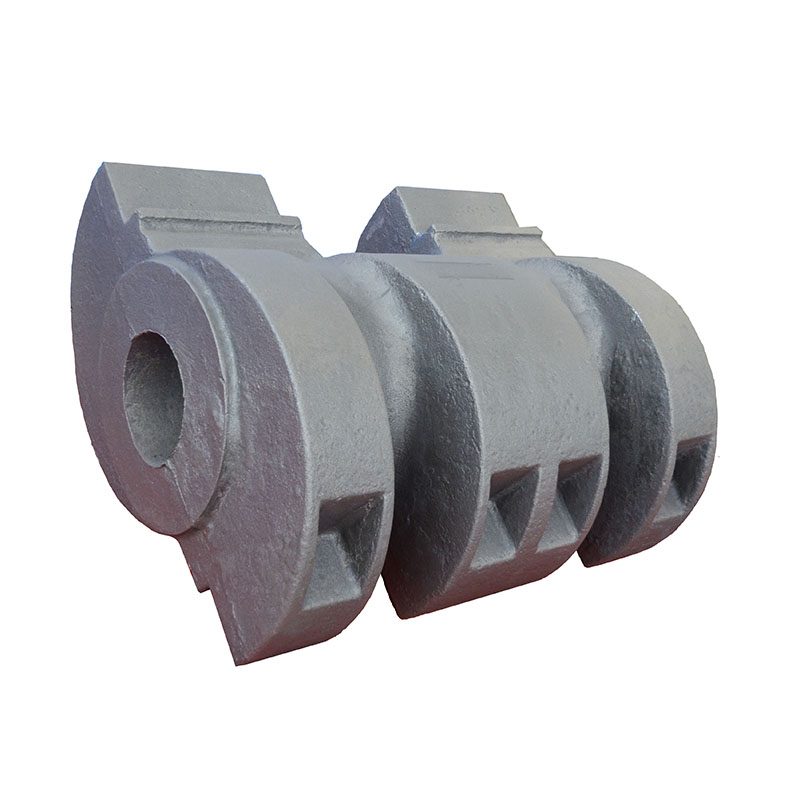
Detailed Process Flow:
- Material Selection & Preparation: High-quality pig iron, steel scrap, and alloying elements (e.g., silicon, manganese) are carefully selected. These are then charged into an induction furnace or cupola for melting. The specific composition is crucial for achieving the desired mechanical properties and metallurgical structure of the cast iron water main pipe.
- Melting & Alloying: The raw materials are melted at temperatures exceeding 1400°C. Precise control over temperature and chemical composition is maintained through spectroscopic analysis to ensure the molten metal meets specifications for grey cast iron, often to ASTM A48 standards for strength and microstructure.
-
Casting (Centrifugal Casting Pipe): The most common method for producing cast iron water main pipe is centrifugal casting. Molten iron is poured into a rapidly spinning mold. The centrifugal force distributes the metal evenly, forming a dense, uniform pipe wall. This method minimizes defects and produces a pipe with excellent concentricity and mechanical properties. This process is also fundamental to the manufacturing of centrifugal casting pipe for various industrial applications.
Note: Centrifugal casting is critical for achieving the high-density, fine-grained structure that contributes to the pipe's pressure resistance and longevity.
- Annealing & Heat Treatment: After casting, pipes may undergo annealing to relieve internal stresses and optimize the microstructure, enhancing toughness and machinability. This process is crucial for ensuring the pipe's long-term performance and resistance to thermal shock.
- Finishing & Machining: Pipes are cooled, removed from the molds, and then subjected to various finishing operations. Ends are typically machined for joining mechanisms, such as bell-and-spigot joints for cast iron plumbing joints or flanged connections. CNC machining ensures precise dimensions for secure and leak-proof assembly.
- Coating & Lining: To enhance corrosion resistance and improve hydraulic flow, pipes are often coated internally with cement mortar lining and externally with bitumen, epoxy, or zinc-aluminum alloys, followed by a topcoat. This protective layer is vital for extending the service life of the cast iron water main pipe in aggressive soil conditions.
- Testing & Quality Control: Each pipe undergoes rigorous testing. This includes hydrostatic pressure tests (to ANSI/AWWA C151/A21.51 standards), dimensional checks, material composition verification, and visual inspections. These comprehensive tests ensure that every cast iron water main pipe meets or exceeds industry standards like ISO 2531 and EN 545, guaranteeing a service life often exceeding 100 years.
The target industries for cast iron water main pipe include municipal water supply & drainage, petrochemical plants (for non-corrosive fluid transport), and metallurgy. Advantages include excellent compressive strength, energy saving due to lower pumping costs in well-designed systems, and inherent corrosion resistance when properly coated, making it ideal for buried applications.
Technical Specifications and Parameters
Understanding the technical specifications of cast iron water main pipe is essential for proper system design and material selection. Key parameters include nominal diameter (DN), pressure class (PN), material grade, and joint type. Below is a typical specification table:
Typical Cast Iron Water Main Pipe Specifications
| Parameter | Description | Standard Values |
|---|---|---|
| Material Grade | Grey Cast Iron, compliant with ASTM A48, Class 30/35 | Tensile Strength: 207-241 MPa |
| Nominal Diameter (DN) | Internal pipe diameter | DN80 to DN1200 (approx. 3" to 48") |
| Pressure Class (PN) | Nominal pressure rating | PN10, PN16, PN25 (10, 16, 25 bar) |
| Length | Standard manufacturing length | 5.5 meters to 6 meters |
| Joint Types | Methods for connecting pipes | Bell-and-Spigot (push-on), Flanged, Mechanical |
| Internal Lining | Corrosion protection | Cement Mortar Lining (CML) as per ISO 4179 |
| External Coating | Corrosion protection | Zinc-Aluminum Alloy + Bitumen/Epoxy (ISO 8179) |
| Relevant Standards | Industry compliance | ISO 2531, EN 545, ANSI/AWWA C151/A21.51 |
These specifications underscore the robust engineering behind each cast iron water main pipe, ensuring suitability for demanding water infrastructure projects. The specific material grade, such as grey cast iron, dictates the graphite morphology which provides its characteristic compressive strength and vibration dampening properties, critical for long-term performance.
Applications and Advantages in Diverse Scenarios
The utility of cast iron water main pipe extends across a broad spectrum of applications, primarily in potable water distribution, but also in wastewater conveyance and certain industrial fluid transfer systems. Its notable advantages make it a compelling choice for engineers and infrastructure planners.
Key Application Scenarios:
- Municipal Water Supply: Forming the backbone of many urban water distribution networks, particularly in older systems where matching existing infrastructure dimensions and material properties is key.
- Industrial Water & Wastewater: Used in industrial plants for conveying process water or treating wastewater, especially where high static loads or temperature variations are anticipated. It's also found in cast iron heating pipes for specific industrial or commercial applications due to its thermal stability.
- Fire Protection Systems: Its inherent strength and pressure resistance make it suitable for underground fire main networks, ensuring reliability in emergency situations.
- Drainage and Sewer Systems: Though often superseded by ductile iron for sanitary sewers, cast iron is still used in specific heavy-duty cast drain pipe applications where its rigidity and sound dampening are beneficial.
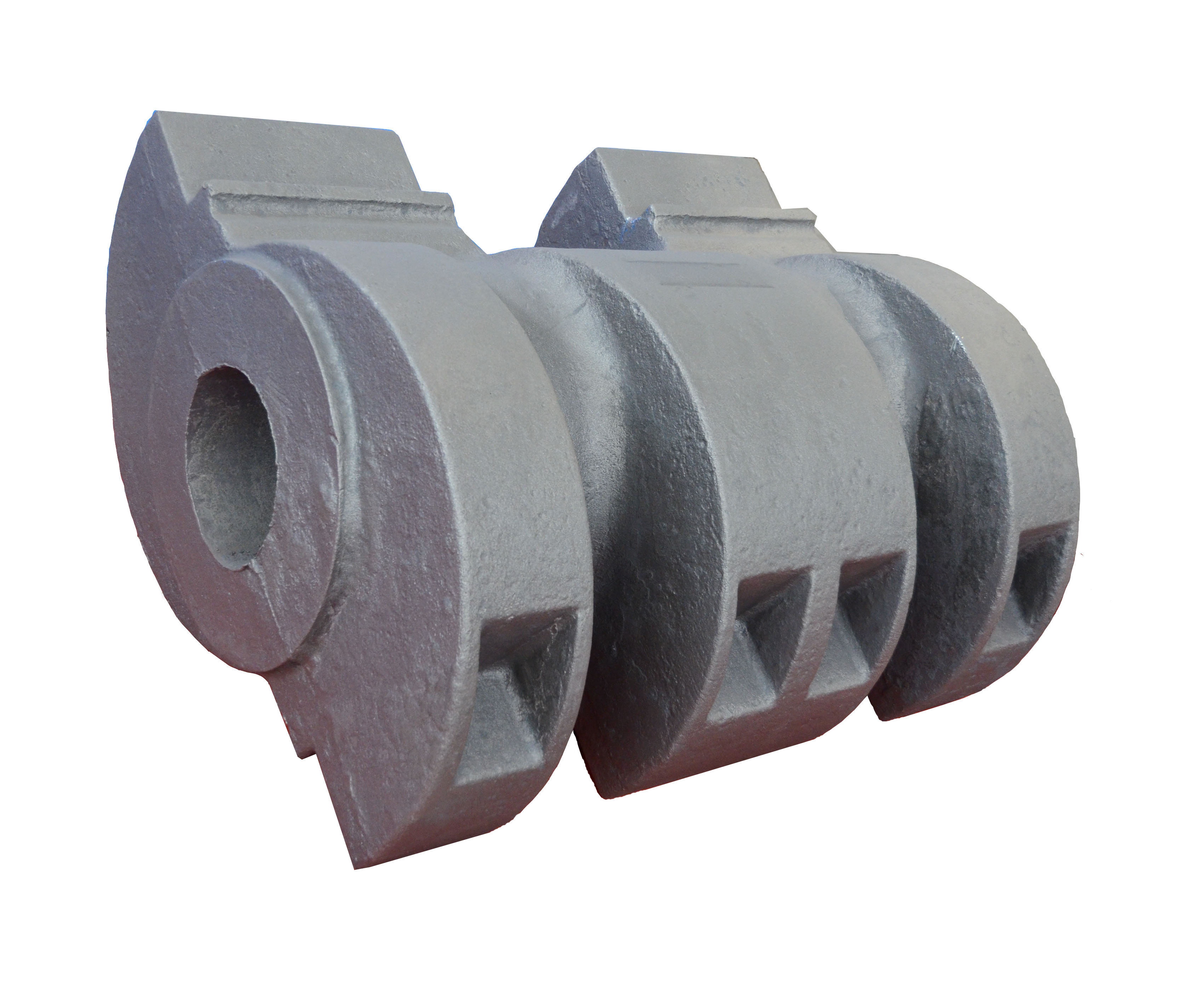
Technical Advantages:
- Exceptional Compressive Strength: Cast iron exhibits superior resistance to external loads, making it highly durable in buried environments under heavy traffic or soil shifts.
- Long Service Life: With proper installation and protective coatings, a cast iron water main pipe can achieve a service life of 100 years or more, offering significant long-term value.
- Corrosion Resistance: Modern internal cement mortar linings and external zinc-aluminum coatings provide robust protection against internal corrosion and external aggressive soil conditions, ensuring water quality and pipe integrity.
- Hydraulic Efficiency: Smooth internal linings maintain excellent hydraulic characteristics, minimizing friction losses and reducing pumping energy requirements.
- Sound Dampening: The dense structure of cast iron helps to dampen vibrations and noise, an advantage in cast iron plumbing joints and systems within residential or sensitive areas.
Vendor Comparison and Customized Solutions
Selecting the right supplier for cast iron water main pipe is a critical decision that impacts project timelines, costs, and long-term reliability. Vendors vary in their manufacturing capabilities, quality control processes, and ability to offer customized solutions. When evaluating cast iron pipe fittings suppliers, key differentiators include certifications (ISO 9001, 14001, 45001), adherence to international standards (ISO, AWWA, EN), and demonstrated experience.
Vendor Comparison Considerations:
- Product Range: Does the vendor offer a full range of diameters, pressure classes, and fitting types (e.g., ductile cast iron pipe fittings, bell-and-spigot, flanged)?
- Quality Assurance: Verification of internal quality control protocols, third-party certifications, and material test reports for each batch.
- Customization Capabilities: Ability to produce non-standard lengths, special coatings, or unique fitting configurations to meet specific project requirements.
- Logistics & Lead Time: Reliable delivery schedules, inventory management, and capacity to handle large-scale orders efficiently.
- Technical Support: Provision of engineering support for design, installation guidance, and troubleshooting.
Customized Solutions:
Leading manufacturers understand that off-the-shelf solutions don't always suffice. Customization often includes:
- Special Linings & Coatings: Tailored internal linings for highly abrasive fluids or external coatings for extremely corrosive soil conditions.
- Non-Standard Lengths or Diameters: For complex trenching conditions or integration with unique existing pipelines.
- Fabricated Fittings: Custom fabricated specials (e.g., bends, reducers, wyes) can minimize field modifications and optimize hydraulic performance.
- Pressure Ratings: Pipes designed for pressure classes beyond standard offerings for specific high-pressure applications.
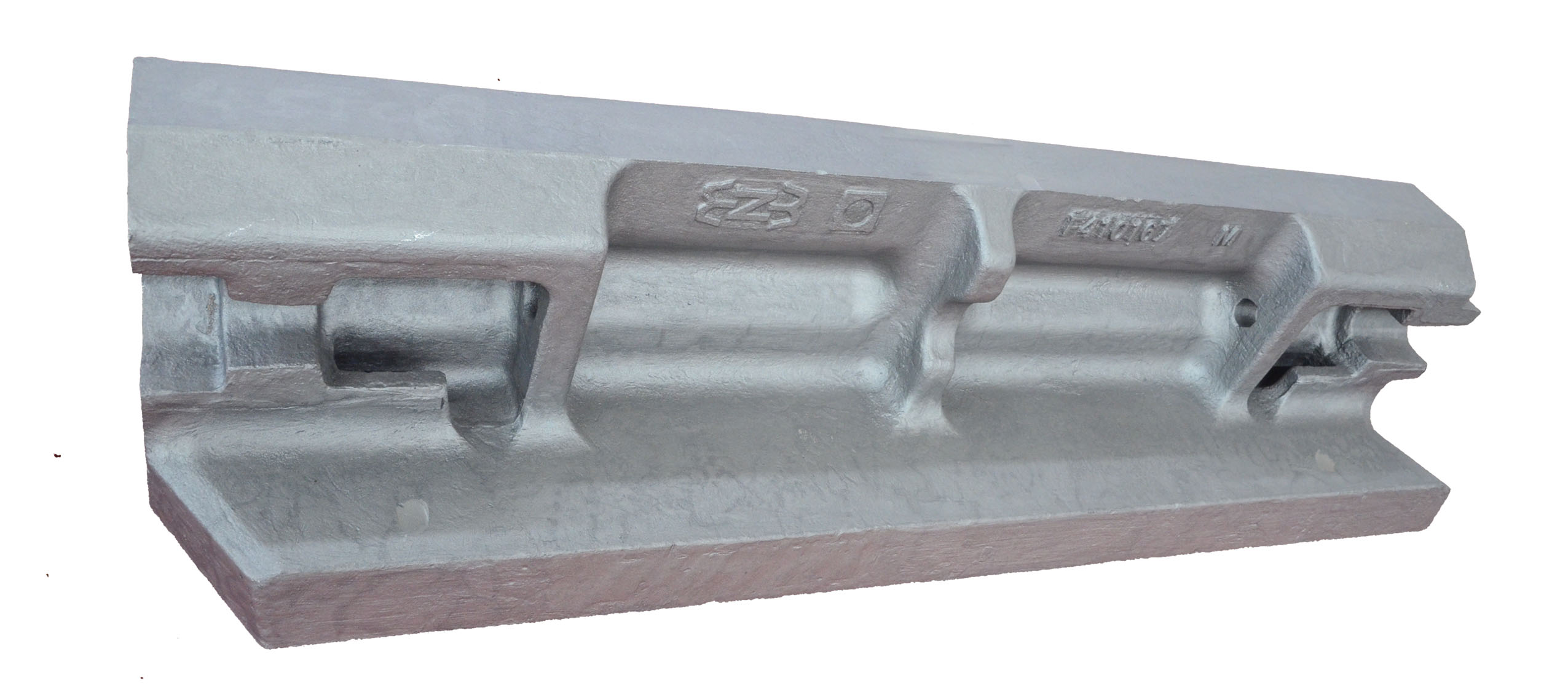
Application Case Studies: Proving Reliability in Practice
Real-world application validates the theoretical advantages of cast iron water main pipe. Here are illustrative case studies highlighting its enduring performance and strategic value.
Case Study 1: Urban Water Network Rehabilitation
Client: Major Metropolitan Water Authority, North America
Challenge: An aging central business district water main, installed over 80 years ago, was experiencing frequent bursts and significant water loss. The authority required a replacement solution that offered similar long-term durability and could integrate seamlessly with existing infrastructure without extensive re-engineering.
Solution: DN300 (12-inch) cast iron water main pipe with cement mortar lining and a zinc-aluminum external coating was selected. The pipes were installed using traditional trenching methods, with careful attention to soil conditions. The choice of cast iron ensured mechanical compatibility with existing cast iron pipe fittings suppliers and minimized disruption to interconnected lines.
Outcome: The project successfully replaced 2 kilometers of critical main. Post-installation pressure testing confirmed zero leakage. The inherent rigidity of the cast iron pipes allowed for minimal bedding requirements, simplifying installation. The expected service life of the new main exceeds 100 years, providing a reliable water supply for future generations and significantly reducing maintenance costs for the authority.
Case Study 2: Industrial Water Supply for a Steel Mill
Client: Leading Steel Manufacturing Plant, Asia
Challenge: The steel mill required a robust water supply pipeline for its cooling systems, capable of withstanding fluctuating temperatures, high pressures, and corrosive industrial environments. The pipeline needed to be highly resistant to external impact from heavy machinery operations.
Solution: PN25 DN600 (24-inch) cast iron water main pipe with a specialized epoxy coating for enhanced chemical resistance was utilized. The pipe's high compressive strength was a key factor in its selection, providing superior resistance to the heavy ground loads within the industrial complex. Flanged joints were used to ensure secure, easily maintainable connections for this high-pressure application.
Outcome: The new pipeline delivered stable and uninterrupted water flow to the steel mill's critical operations. The robust construction and specialized coatings have prevented any instances of leakage or corrosion-related failures over five years of operation. The project demonstrated the suitability of cast iron for demanding industrial applications where durability and resistance to harsh conditions are paramount.
Trustworthiness: FAQ, Lead Time, Warranty, and Support
Frequently Asked Questions (FAQ)
Q1: What is the typical service life of a modern cast iron water main pipe?
A1: With proper installation and modern protective coatings (cement mortar lining and external zinc-aluminum alloy with topcoat), a cast iron water main pipe can have a service life exceeding 100 years, often matching or exceeding that of ductile iron pipes in specific applications.
Q2: How does cast iron compare to ductile iron for water mains?
A2: While ductile iron offers superior tensile strength and ductility, making it more resistant to bending and extreme ground movement, cast iron provides excellent compressive strength and rigidity. Cast iron is often preferred for replacement projects where matching existing material properties is critical, or in stable soil conditions where its high rigidity is an advantage. Both offer long service life and corrosion resistance with appropriate linings and coatings.
Q3: What testing standards are applied to cast iron pipes?
A3: Our cast iron water main pipe adheres to international standards such as ISO 2531 (for Ductile Iron but often applied to cast iron parameters), EN 545, and ANSI/AWWA C151/A21.51. These standards cover material composition, dimensions, pressure ratings, and testing protocols like hydrostatic pressure tests.
Lead Time and Fulfillment
Standard orders for common diameters (DN100-DN600) typically have a lead time of 4-6 weeks from order confirmation, subject to current production schedules and quantity. Larger diameters or highly customized solutions may require 8-12 weeks. We maintain strategic stock levels for urgent requirements and work closely with clients to synchronize delivery with project timelines. Our global logistics network ensures efficient and reliable fulfillment to diverse geographical locations.
Warranty Commitments
All our cast iron water main pipe products come with a comprehensive 10-year warranty against manufacturing defects and material failures under normal operating conditions. This warranty reflects our confidence in the quality and durability of our products, backed by rigorous quality control processes and adherence to international standards. Specific terms and conditions are provided with each quotation.
Customer Support and After-Sales Service
Our commitment extends beyond product delivery. We provide dedicated customer support, including technical assistance for installation guidance, maintenance recommendations, and troubleshooting. Our team of experienced engineers is available to address any operational concerns and ensure the long-term success of your water infrastructure projects. For inquiries or support, please contact our technical services department.
Authoritative References
The information presented herein is supported by industry standards and established engineering principles.
- American Water Works Association (AWWA). AWWA C151/A21.51-17: Ductile-Iron Pipes, Centrifugally Cast, for Water.
- International Organization for Standardization (ISO). ISO 2531: Ductile iron pipes, fittings, accessories and their joints for water applications.
- European Committee for Standardization (CEN). EN 545: Ductile iron pipes, fittings, accessories and their joints for water pipelines.
- ASTM International. ASTM A48/A48M-03: Standard Specification for Gray Iron Castings.
- Water Research Foundation. "Lifecycle Cost Analysis of Water Mains." (Various reports and studies available on their official website).
-
BAC Heat Exchangers: Efficient, Durable Cooling Solutions for Industry
NewsDec.08,2025
-
Cross Flow Condenser Explained – Insights from Industrial Equipment Experts
NewsDec.08,2025
-
Efficient Heating Coils Heat Exchangers for Industrial Thermal Systems
NewsDec.08,2025
-
Liquid Vapour Heat Exchanger – Reliable Industrial Heat Transfer Solutions | Casiting
NewsDec.08,2025
-
Packaged Plate Heat Exchanger Insights | Industrial Equipment Guide
NewsDec.07,2025
-
Refrigeration Shell And Tube Condenser – Durable Industrial Cooling Solutions by Casiting
NewsDec.07,2025