


Oct . 05, 2025 23:15 Back to list
Cast Iron Water Main Pipe: Durable, Corrosion-Resistant?
What’s Changing (and What Isn’t) About the cast iron water main pipe
If you work in municipal water, you already know: the humble cast iron water main pipe is the quiet backbone under our streets. Ductile iron has taken the baton from gray iron, bringing toughness and flex—yet the premise holds: reliable pressure, decades of service, and predictable behavior. To be honest, the most interesting shift I’m seeing isn’t the pipe itself, but everything around it—coatings, joints, quality control, even custom cast components that make a network easier to build and maintain.
Materials, methods, and testing—what actually matters
Modern cast iron water main pipe is typically ductile iron, spun via centrifugal casting. Expect nodular graphite, pearlitic/ferritic matrices, and cement-mortar linings, with zinc + bitumen or epoxy outside. Hydrostatic testing still rules (I know, not glamorous), and most utilities insist on 1.5× PN factory tests. Real-world use may vary, but when lining and gaskets are right, leakage stays boringly low—which is exactly what we want.
Product snapshot (specs at a glance)
| Parameter | Typical Range/Note |
|---|---|
| Nominal Diameter | DN100–DN1200 (≈4"–48") |
| Pressure Class | PN10/16/25; factory hydro test ≈1.5× PN |
| Joints | Push-on (TYTON), restrained, flanged |
| Internal Lining | Cement mortar per AWWA C104 or EN 545 |
| External Coating | Zinc + bitumen or epoxy; thickness per spec |
| Mechanical | Tensile ≥420 MPa; YS ≈300 MPa; Elong. ≥10% |
| Standards | ISO 2531, EN 545, AWWA C151/C115/C104 |
| Service Life | 50–100+ years, soil/coating dependent |
Applications and what users report
Municipal distribution, industrial fire lines, mining process water, even reclaimed networks. Many customers say the big win is predictable installation—gaskets seat well, deflection tolerances are forgiving, and restrained joints make seismic zones less nerve-racking. In one Midwest replacement program, break rates reportedly dropped by ≈60% after upsizing and switching to restrained ductile iron on poor soils.
Customization: fittings and cast components, made-to-order
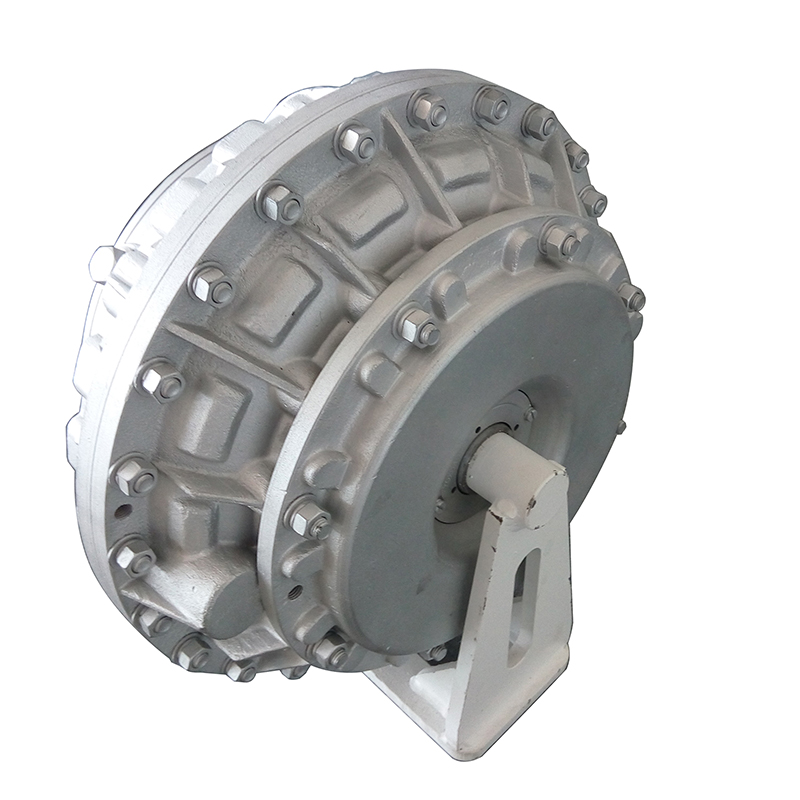
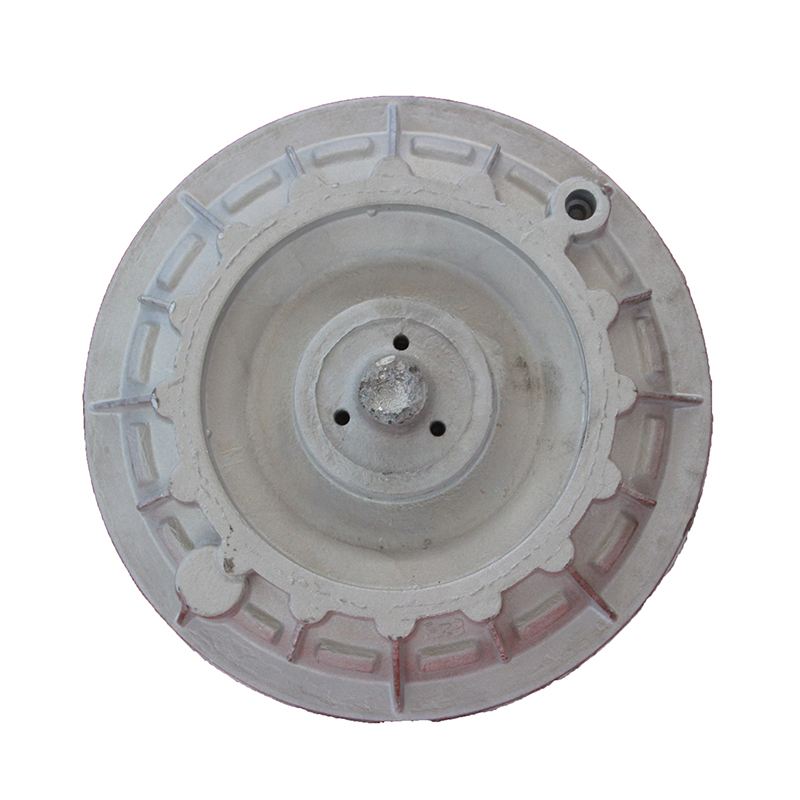
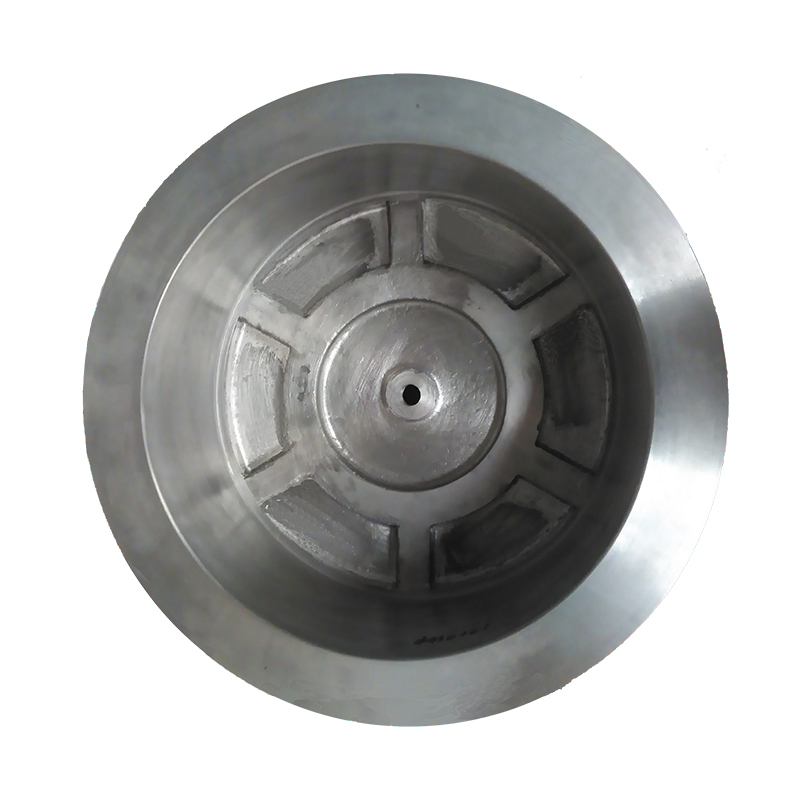
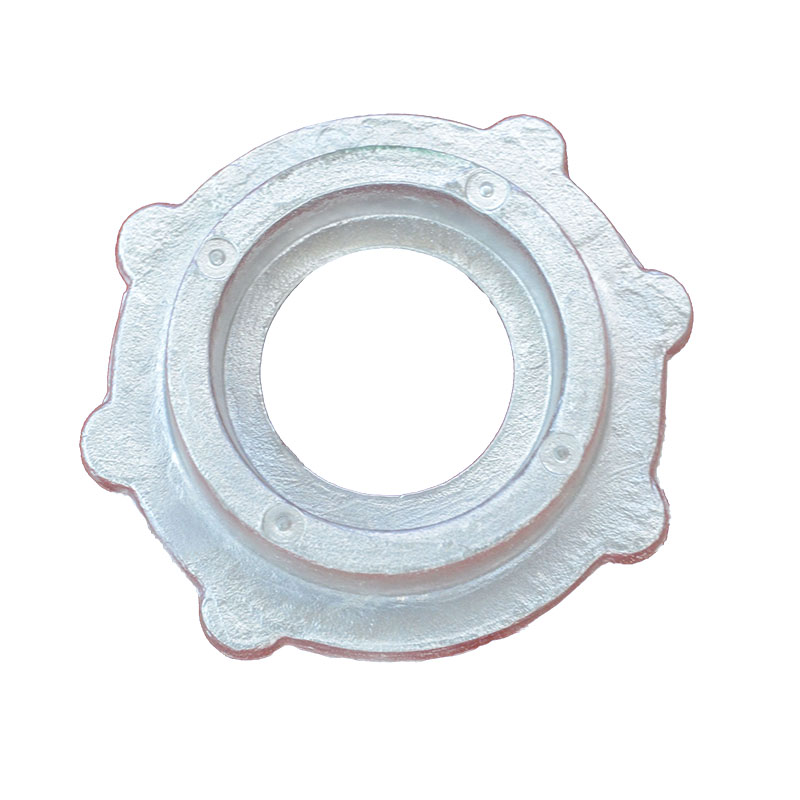
Here’s a practical twist. While pipes are iron, networks rely on allied components—couplers, pump wheels, glands, end caps. For custom CNC-machined or pressure-cast pieces, some utilities work with specialized shops. A China-based option (RM315, Baihui Building, No.57 Sizhong Road, Qiaoxi District, Shijiazhuang City, Hebei) offers aluminum and silicon–aluminum alloy parts via low/high-pressure casting—handy when you need bespoke interfaces around your cast iron water main pipe installs.
| Item | Material/Process | Notes |
|---|---|---|
| Hydraulic Coupler, Pump Wheel, Gland, End Cap | Cast Al, Si–Al; low/high-pressure casting | Tight tolerances; CNC finishing; ≈ISO 9001 |
Vendor landscape (quick compare)
| Vendor | Focus | Strengths | Certs/Standards |
|---|---|---|---|
| Global OEM A (Pipes) | Ductile iron pipe systems | Broad DN range; proven coatings | ISO 2531, EN 545, AWWA |
| Regional OEM B (Pipes) | Municipal pipelines | Local stock; quick lead times | AWWA C151/C104 |
| CASITING (Components) | Custom aluminum casting | Low/high-pressure casting; CNC | ISO 9001 (≈); customer QA |
Quality checkpoints and test data
- Hydrostatic: factory 1.5× PN; site pressure test per AWWA/EN.
- Lining: cement-mortar holiday detection; thickness check per C104/EN 545.
- Coating: zinc mass per EN 545; epoxy DFT spot checks (≈250–400 μm typical).
- Traceability: heat numbers; mill certs; NSF/ANSI/CAN 61 where potable.
Final thought: pick the right jointing and coatings for your soil and surge regime, then document pressure transients. It seems boring—until it isn’t.
References
-
BAC Heat Exchangers: Efficient, Durable Cooling Solutions for Industry
NewsDec.08,2025
-
Cross Flow Condenser Explained – Insights from Industrial Equipment Experts
NewsDec.08,2025
-
Efficient Heating Coils Heat Exchangers for Industrial Thermal Systems
NewsDec.08,2025
-
Liquid Vapour Heat Exchanger – Reliable Industrial Heat Transfer Solutions | Casiting
NewsDec.08,2025
-
Packaged Plate Heat Exchanger Insights | Industrial Equipment Guide
NewsDec.07,2025
-
Refrigeration Shell And Tube Condenser – Durable Industrial Cooling Solutions by Casiting
NewsDec.07,2025