


Oct . 25, 2025 10:15 Back to list
Cast Iron Water Main Pipe – Durable, Leak‑Tight, Fast Ship
A Buyer’s Field Notes on Cast Iron Water Main Pipe
If you manage municipal water or industrial utilities, you already know the stakes: pressure cycles, stray current, soil chemistry… the whole messy cocktail. This week I toured two plants and chatted with specifiers about why the “old-school” pipe family still anchors modern distribution. Spoiler: metallurgy has evolved; procurement hasn’t kept up.
Industry Trends I’m Seeing
- Shift from legacy gray iron to ductile iron (DI) for higher toughness and seismic resilience.
- Rubber-ring push-on joints dominating for speed, with restrained joints in poor soils or near bends.
- Standard-driven linings: cement-mortar per AWWA C104 still king; epoxy and ceramic epoxy creeping in for aggressive waters.
- Data-first QA: ultrasonic wall checks, barcode heat tracking, hydrostatic proof tests ≥500 psi in factory on most sizes.
Typical Specifications (what lands in my inbox)
| Material | Ductile cast iron (nodular), sometimes legacy gray iron on replacements |
| Sizes | DN100–DN1200 (4"–48") common; larger on request |
| Pressure class | ≈150–350 psi working; factory proof test ≥500 psi (real-world use may vary) [1] |
| Lining | Cement-mortar per AWWA C104; epoxy/ceramic epoxy optional |
| Coating | Zinc + bituminous/asphaltic; polyurethane/epoxy optional (EN 545, ISO 8179) |
| Joints | Push-on (rubber ring), Mechanical Joint, Restrained, Flanged |
| Standards | AWWA C151/C104, ISO 2531, EN 545, NSF/ANSI 61 |
How it’s made (quick walk-through)
Feedstock (pig iron + scrap) is treated with magnesium to form nodular graphite. Pipe is centrifugally cast, annealed, and machined. Zinc and topcoat are applied; cement lining is spun in. Then the factory runs hydrostatic pressure testing, dimensional checks, and ultrasonic wall-thickness verification. It sounds clinical, but on the floor it’s hot, loud, and oddly satisfying.
Why spec Cast Iron Water Main Pipe today?
- High toughness and deflection tolerance; good for traffic loads and mild ground movement.
- Cyclic pressure resistance; plays nicely with fire flows.
- Compatible fittings ecosystem and well-understood installation (AWWA C600).
- Service life often 75–100+ years with correct soil assessment and corrosion control [2][3].
Common scenarios: municipal transmission, industrial cooling water, fire loops, and—surprisingly often—mixed-media retrofits where legacy fittings are retained. Many customers say push-on joints shave days off their schedule; restrained joints help in poor backfill or at high points.
Vendors (and one clever partner)
| Vendor | Focus | Standards | Customization | Lead Time ≈ |
|---|---|---|---|---|
| Global DI Pipe Co. | Full-range DI mains | AWWA, ISO, EN | Coatings, restraint, GIS tagging | 6–10 weeks |
| Regional Foundry | Midsize runs, fittings | AWWA/EN selective | Special flanges, short runs | 4–8 weeks |
| CASiting (Hebei, China) | Tooling & cast steel/ductile iron rings, pallets for rubber-ring concrete pipe molds | OEM/ODM to drawing | Casting, welding, annealing, machining | Project-based; FOB Tianjin Xingang |
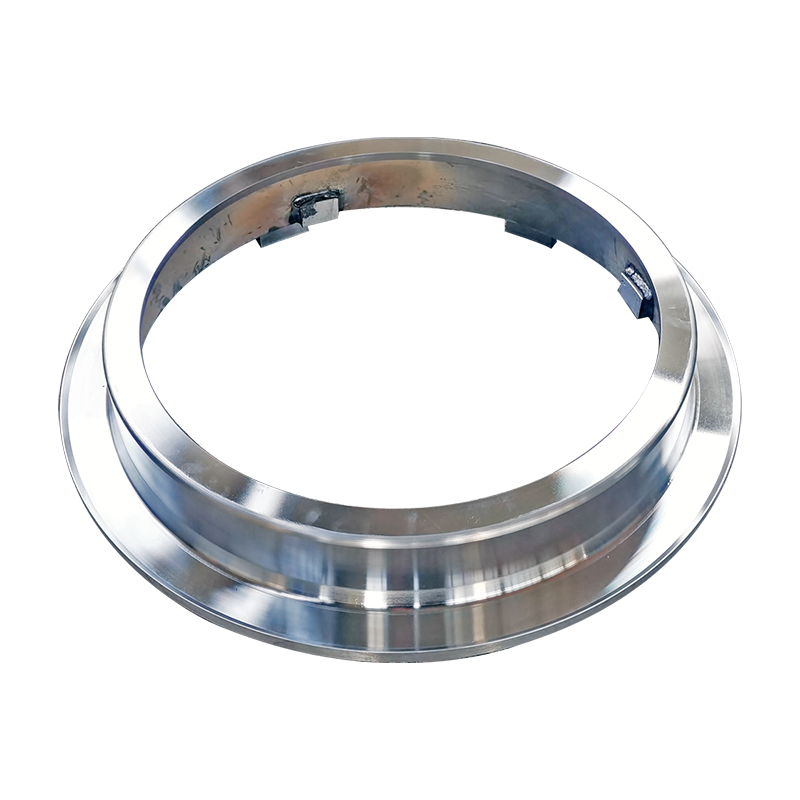
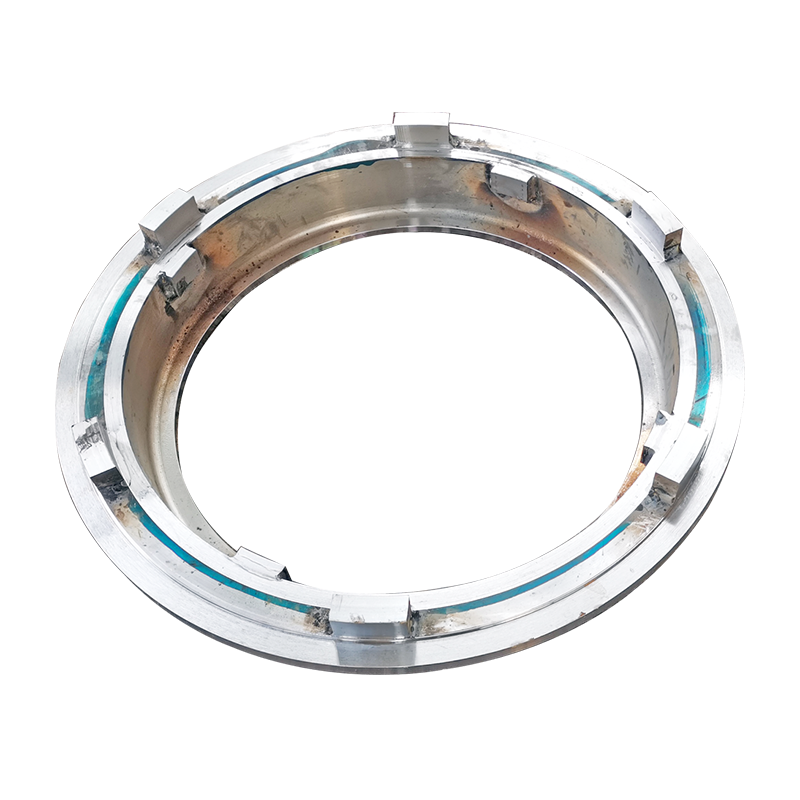
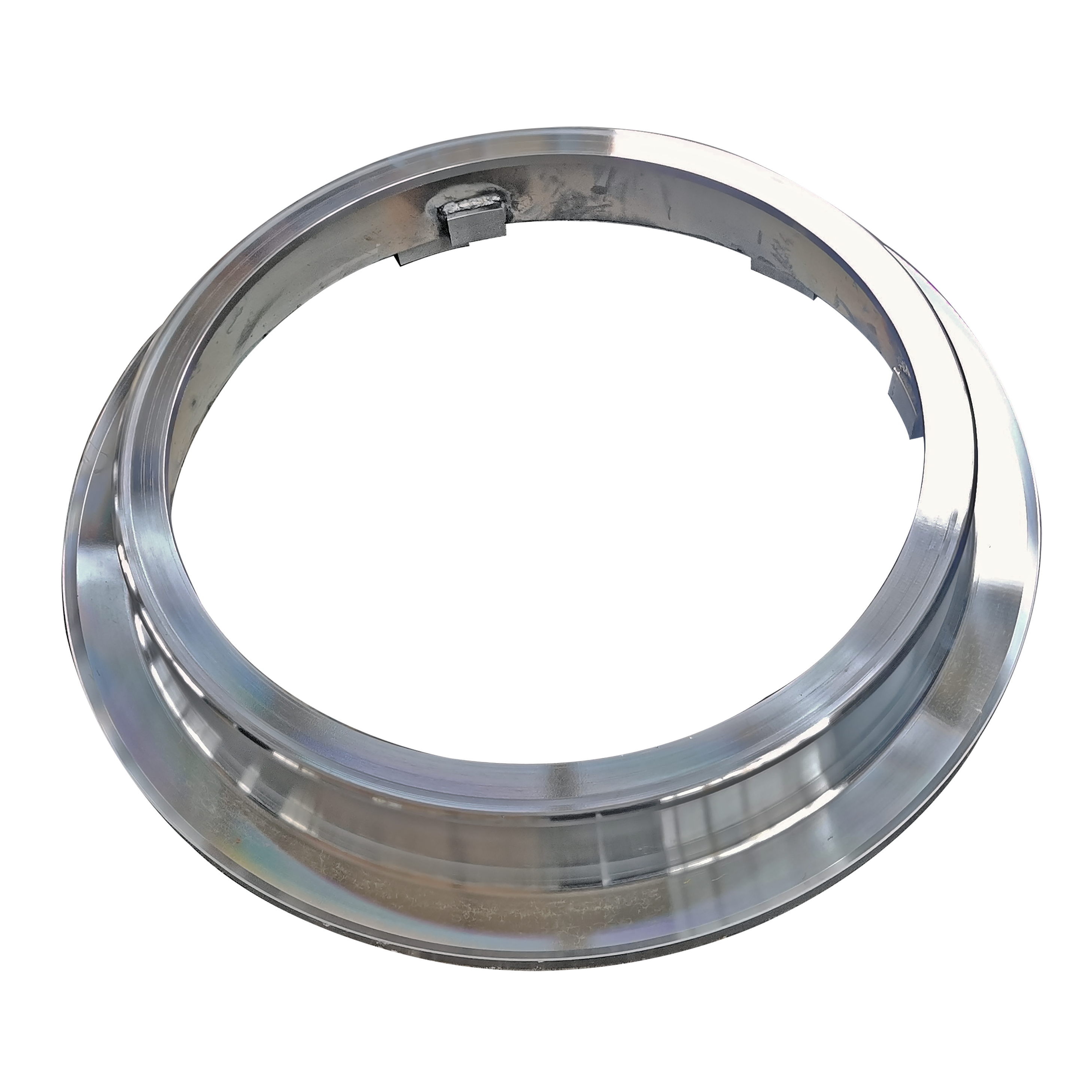
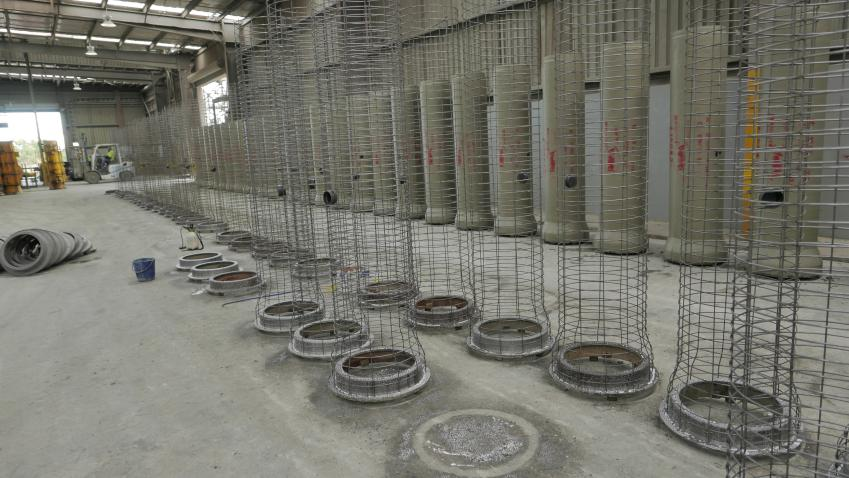
Small digression: while CASiting doesn’t sell finished Cast Iron Water Main Pipe, their Cast Steel Rubber Ring Joint Reinforced Concrete Pipe Mold Pallet, Bottom Ring, Base Ring is the behind-the-scenes gear enabling tight-tolerance rubber-ring joints on concrete pressure pipe. They ship by 20' or 40' OT/GP container, OEM/ODM per drawings, from RM315, Baihui Building, No.57 Sizhong Road, Qiaoxi District, Shijiazhuang, Hebei. Handy if you run a pipe plant—or you’re retrofitting a line to push-on specs.
Customization checklist for Cast Iron Water Main Pipe
- Coatings/linings: CML, epoxy, PU; NSF/ANSI 61 for potable.
- Joint type: push-on vs restrained; gasket compounds for temperature/chemistry.
- Corrosion package: zinc weight, PE sheath, cathodic protection per NACE SP0169/AMPP.
- Traceability: heat/lot barcodes, mill certs, hydrostatic test logs.
Real-world data
- Factory hydrostatic: pipes proofed at ≥500 psi; zero visible leakage allowed [1].
- Field test (C600): typical 150 psi for 2 hours; allowable make-up water criteria apply [4].
- Service life: utilities reporting 75–100+ years with correct soil assessment and protection [2][3].
Two quick case notes
Midwest city main upgrade: DN400 DI, cement-mortar lining, restrained joints at high points; field test 150 psi, makeup water well within AWWA C600 limits. Installer feedback: “push-on saved a day per block.”
Coastal plant feed: DN300 DI with epoxy lining and PE encasement in chloride soils; corrosion probe readings stable year one. To be honest, I expected more early noise—pleasant surprise.
Certifications and standards to cite in your submittals
AWWA C151/C104, ISO 2531, EN 545, NSF/ANSI 61 for potable use; installation per AWWA C600; corrosion control aligned with NACE (AMPP) SP0169. Ask for ISO 9001/14001 factory credentials and material/heat traceability.
References
- AWWA C151: Ductile-Iron Pipe, Centrifugally Cast.
- ISO 2531: Ductile iron pipes, fittings, accessories and their joints for water applications.
- EN 545: Ductile iron pipes, fittings, accessories and their joints for water pipelines.
- AWWA C600: Installation of Ductile-Iron Mains and Their Appurtenances.
- AWWA C104: Cement–Mortar Lining for Ductile-Iron Pipe and Fittings for Water.
- NSF/ANSI/CAN 61: Drinking Water System Components—Health Effects.
- NACE (AMPP) SP0169: Control of External Corrosion on Underground or Submerged Metallic Piping Systems.
-
BAC Heat Exchangers: Efficient, Durable Cooling Solutions for Industry
NewsDec.08,2025
-
Cross Flow Condenser Explained – Insights from Industrial Equipment Experts
NewsDec.08,2025
-
Efficient Heating Coils Heat Exchangers for Industrial Thermal Systems
NewsDec.08,2025
-
Liquid Vapour Heat Exchanger – Reliable Industrial Heat Transfer Solutions | Casiting
NewsDec.08,2025
-
Packaged Plate Heat Exchanger Insights | Industrial Equipment Guide
NewsDec.07,2025
-
Refrigeration Shell And Tube Condenser – Durable Industrial Cooling Solutions by Casiting
NewsDec.07,2025