


Sep . 17, 2025 23:50 Back to list
Cast Iron Water Main Pipe: Durable, Centrifugally Cast Solutions
The Enduring Legacy and Modern Advancements of Water Main Infrastructure
In critical infrastructure, the reliability and longevity of water conveyance systems are paramount. Among the foundational materials, cast iron water main pipe has historically served as a cornerstone for municipal and industrial water networks. While technological advancements have introduced new materials, the principles of robust design, corrosion resistance, and structural integrity that defined early cast iron systems continue to influence modern pipe engineering. This comprehensive guide explores the contemporary landscape of cast iron and ductile iron piping solutions, delving into their manufacturing, technical specifications, diverse applications, and the strategic advantages they offer in today's demanding environments.
We will discuss industry trends, precise technical parameters, practical application scenarios, inherent technical advantages, key considerations for vendor comparison, the potential for customized solutions, and illustrative application case studies, providing a holistic view for B2B decision-makers and engineering professionals.
Industry Trends & Market Outlook for Piping Solutions
The global market for water infrastructure is experiencing significant growth, driven by urbanization, aging infrastructure replacement, and increasing demand for clean water. Within this context, the demand for reliable piping materials like cast iron water main pipe and its modern counterpart, ductile iron, remains strong. A key trend is the emphasis on sustainable and long-lasting solutions, prompting a shift towards materials that offer extended service life and minimal environmental impact. The adoption of advanced manufacturing techniques, such as centrifugally cast iron processes, has significantly improved the mechanical properties and consistency of modern pipes.
While traditional gray cast iron pipes are still used in specific applications, the industry has largely transitioned to ductile iron due to its superior strength, ductility, and fracture resistance. However, the fundamental principles of casting and the robust nature associated with "cast iron" continue to define these heavy-duty applications. Innovations in internal linings and external coatings are further enhancing corrosion resistance, extending the operational lifespan, and reducing maintenance costs for systems handling potable water, wastewater, and industrial fluids. We also observe a growing market for specialized fittings and customized solutions to meet the complex requirements of modern infrastructure projects.
Detailed Manufacturing Process Flow for Cast Iron Pipes
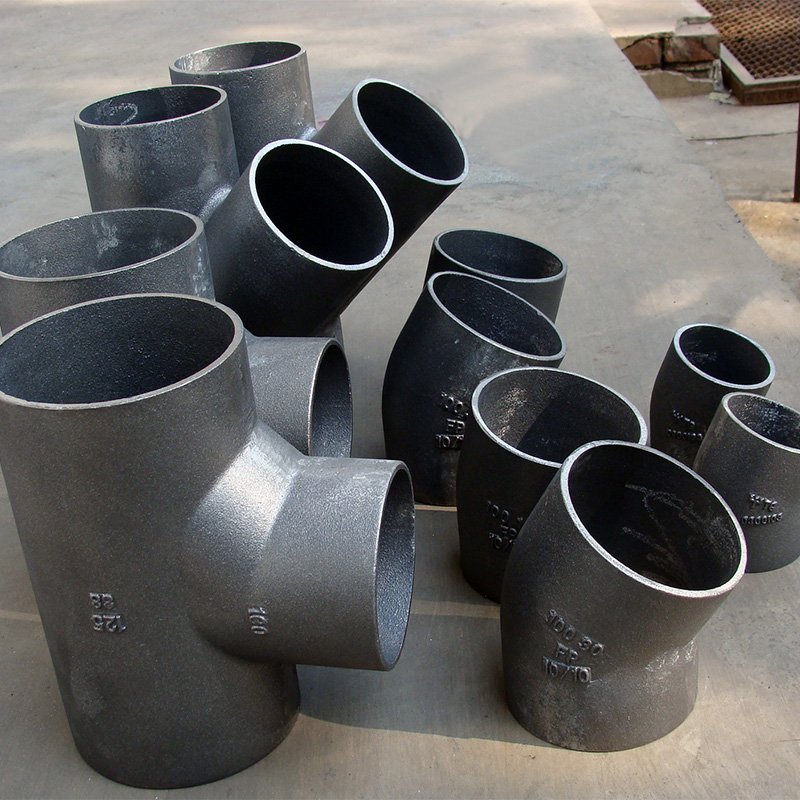
The production of high-quality cast iron water main pipe, especially modern ductile iron variants, involves a sophisticated multi-stage process designed to ensure material integrity, dimensional accuracy, and optimal performance. Our DIN EN877 Cast Iron Pipes and Fittings from China Original Factory exemplify these meticulous steps.
1. Raw Material Preparation & Melting
High-grade pig iron, steel scrap, and alloying elements (e.g., magnesium, silicon, carbon) are carefully selected and precisely weighed. These materials are melted in an induction furnace or cupola at extremely high temperatures (typically 1450-1550°C) to achieve a homogeneous molten metal composition, crucial for the subsequent casting process, especially for centrifugally cast iron pipe.
2. Nodularization (for Ductile Iron)
For ductile iron pipes, the molten metal undergoes a nodularization treatment. A precise amount of magnesium alloy is added, transforming the graphite flakes (typical in gray cast iron) into spherical nodules. This microstructure significantly enhances the material's ductility and impact resistance, moving from a brittle to a more malleable iron.
3. Centrifugal Casting
The most common method for producing pipe barrels is the de Lavaud centrifugal casting process. Molten metal is poured into a rapidly rotating cylindrical mold, which is typically water-cooled. The centrifugal force evenly distributes the metal against the mold walls, forming a dense, uniform pipe structure. This "centrifugally cast iron" technique ensures consistent wall thickness, reduces porosity, and produces a fine-grained metallic structure.
4. Annealing
After casting, the pipes are subjected to an annealing heat treatment in a furnace. This process relieves internal stresses, improves machinability, and further optimizes the graphite structure in ductile iron, enhancing its mechanical properties, including tensile strength and elongation.
5. Finishing & Machining
Pipes undergo processes such as cutting to length, beveling, and machining of ends (e.g., bell and spigot ductile iron pipe joints) to meet specified dimensions and ensure proper fitment with fittings. Precision CNC machining ensures adherence to tight tolerances.
6. Internal Lining & External Coating
Internal linings, such as cement mortar, epoxy, or polyurethane, are applied to prevent corrosion and maintain water quality. External coatings, including zinc, bitumen, epoxy, or polyethene sleeves, provide robust protection against soil corrosion and external environmental factors, significantly extending service life.
7. Quality Control & Testing
Every pipe batch undergoes rigorous testing. This includes hydrostatic pressure tests (e.g., 25 bar for DIN EN877 pipes), dimensional checks, metallographic analysis, tensile strength tests, hardness tests, and impact resistance tests. Adherence to international testing standards like ISO 2531, EN 545, EN 598, and ANSI/AWWA C151 is strictly maintained, ensuring the quality of the cast iron water main pipe for target industries like petrochemical, metallurgy, and water supply & drainage. The average service life for well-maintained ductile iron pipes often exceeds 100 years, demonstrating exceptional durability and corrosion resistance.

Technical Specifications & Performance Parameters
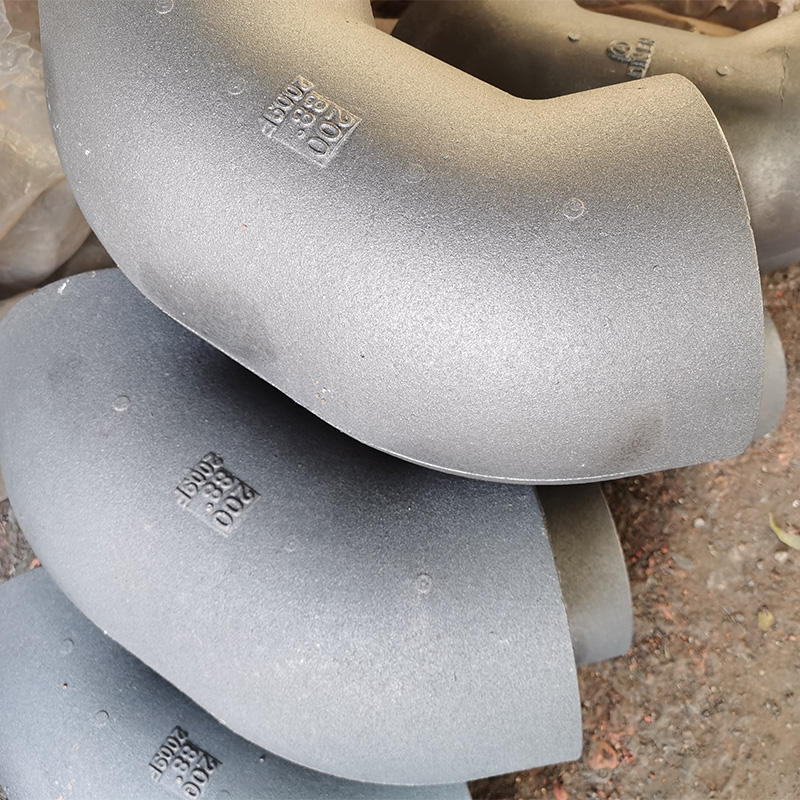
Understanding the detailed technical specifications of cast iron water main pipe is crucial for ensuring optimal system design and longevity. Our DIN EN877 pipes and fittings are manufactured to stringent international standards, guaranteeing reliability in diverse applications.
Key Specifications (DIN EN877 Gray Cast Iron Pipes)
| Parameter | Specification | Standard |
|---|---|---|
| Material | Gray Cast Iron | EN-GJL-150 / EN-GJL-200 |
| Nominal Diameter (DN) | DN 50 - DN 400 | DIN EN877 |
| Standard Length | 3000 mm | DIN EN877 |
| Internal Lining | Epoxy resin (average thickness ≥ 120 µm) | DIN EN877 |
| External Coating | Red-brown base coating (average thickness ≥ 80 µm) | DIN EN877 |
| Working Pressure | Up to 10 Bar (specific for drainage, higher for ductile iron) | Manufacturer Specific |
| Hydrostatic Test Pressure | Min. 0.5 Bar for internal; 5 Bar for external | DIN EN877 |
| Tensile Strength | Min. 150 MPa (for EN-GJL-150) | EN 1561 |
It is important to note that while DIN EN877 specifies gray cast iron for drainage systems, parallel standards like ISO 2531 and EN 545 govern ductile iron pressure pipes, which offer significantly higher pressure ratings and mechanical strength, making them ideal for modern water main applications. For instance, ductile iron pipes for water mains typically have working pressures ranging from PN10 to PN40 (10 to 40 bar) and exhibit tensile strengths exceeding 420 MPa, vastly superior to gray cast iron. When you buy cast iron pipe for water mains, it's almost certainly ductile iron you're acquiring.
Technical Advantages of Cast Iron and Ductile Iron Pipes
- ✓Exceptional Durability & Longevity: Ductile iron pipes, the modern iteration of cast iron water main pipe, are renowned for their incredible service life, often exceeding 100 years. This longevity is attributed to their robust material properties and advanced corrosion protection systems.
- ✓High Strength & Impact Resistance: Unlike traditional gray cast iron, ductile iron exhibits high tensile strength, excellent resistance to external loads, and superior impact resistance, making it suitable for buried installations in demanding environments and minimizing damage during transport and installation.
- ✓Corrosion Resistance: Modern ductile iron pipes feature multi-layered protection, typically including internal cement mortar lining for potable water, and external zinc coating with a bitumen or epoxy finish. This comprehensive protection ensures exceptional resistance to internal water aggression and external soil corrosion.
- ✓Energy Saving & Flow Efficiency: The smooth internal surface of cement-lined ductile iron pipes results in lower friction losses compared to many other materials. This translates to reduced pumping energy requirements over the life of the system, contributing to significant operational energy saving.
- ✓Easy Installation & Joint Integrity: Bell and spigot ductile iron pipe systems, often with push-on or mechanical joints, allow for rapid and secure installation. The flexibility of these joints accommodates ground movement and pipeline deflection, reducing the risk of leaks and simplifying maintenance.
- ✓Recyclability: Both gray and ductile iron are highly recyclable materials, contributing to a circular economy and reducing environmental impact, an increasingly important factor for sustainable infrastructure projects.
Versatile Application Scenarios
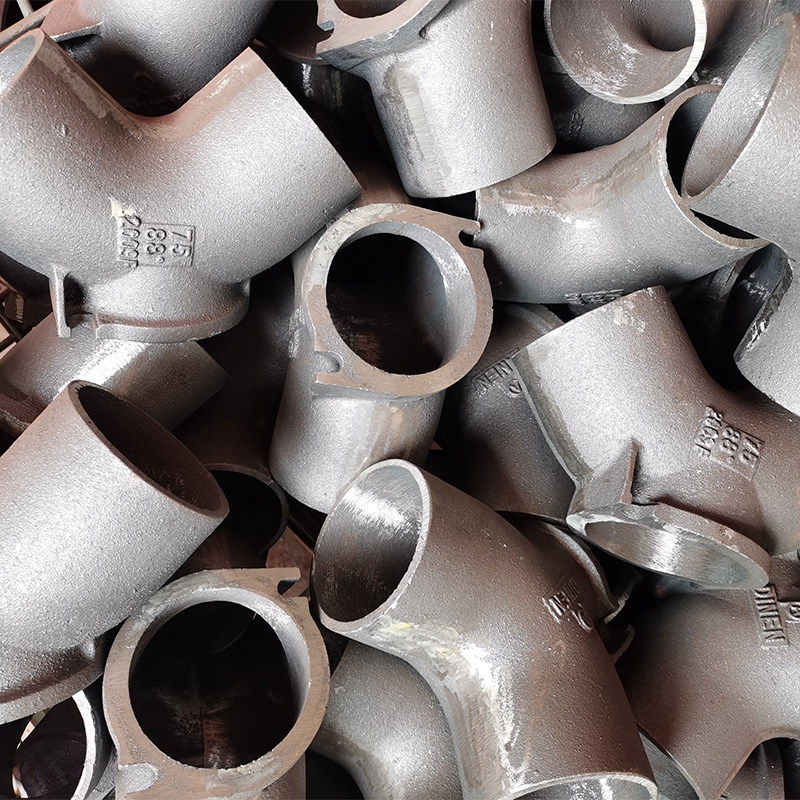
The robust characteristics of cast iron water main pipe (primarily ductile iron in modern contexts) make it indispensable across a multitude of industries and infrastructure projects. Its reliability under various environmental conditions ensures efficient and safe fluid conveyance.
- ●Municipal Water Supply Networks: Forming the backbone of urban and rural potable water distribution, ductile iron pipes handle high pressures and ensure water purity with their internal linings. Their long service life reduces the need for frequent replacements in critical infrastructure.
- ●Wastewater and Drainage Systems: For gravity and pressure sewer lines, including cast drain pipe and cast iron drain pipes for sale, ductile iron's strength and chemical resistance to common wastewater constituents are highly valued. DIN EN877 gray cast iron pipes are specifically designed for building drainage systems.
- ●Industrial Applications: In sectors like petrochemicals, mining, power generation, and metallurgy, pipes are used for process water, cooling water, and slurry transport. The ability of ductile iron to withstand aggressive industrial environments and high temperatures is a significant advantage.
- ●Fire Protection Systems: Due to their high-pressure rating and non-combustible nature, ductile iron pipes are ideal for critical fire mains, ensuring reliable water delivery in emergencies.
- ●Agricultural Irrigation: Large-scale irrigation projects benefit from the durability and leak-tightness of ductile iron pipes, minimizing water loss and ensuring efficient distribution.
- ●Underground Conduits: In some specialized cases, heavy-duty cast iron conduit can be utilized for protecting sensitive underground cables, offering superior physical protection.
Vendor Comparison: Selecting the Right Partner
When looking to buy ductile iron pipe or cast iron water main pipe, choosing the right supplier is as critical as selecting the right product. A reputable vendor offers not just products, but expertise, reliability, and support.
Key Factors for Vendor Evaluation:
| Evaluation Criteria | Casiting.com (Example) | Generic Competitor A |
|---|---|---|
| Product Standards & Certifications | DIN EN877, ISO 9001, CE, etc. Rigorous adherence. | May vary; potentially lower-tier certifications. |
| Manufacturing Process | Centrifugally cast iron, advanced quality control. | Less transparent, possibly older casting methods. |
| Customization Capability | Strong R&D for tailored solutions (e.g., special coatings, lengths, fittings). | Limited to standard product lines. |
| Lead Time & Logistics | Efficient production, optimized logistics, global shipping. | Potential delays, less established global network. |
| After-Sales Support & Warranty | Comprehensive support, clear warranty terms, technical assistance. | Minimal support, unclear or limited warranty. |
| Price vs. Value | Competitive pricing reflecting high quality and service. | Lower upfront cost but higher long-term risks/costs. |
When considering where to buy cast iron pipe or buy ductile iron pipe, prioritize manufacturers with a proven track record, comprehensive quality control, and robust customer support. This minimizes risks and ensures the long-term integrity of your infrastructure investment.
Customized Solutions & Engineering Support
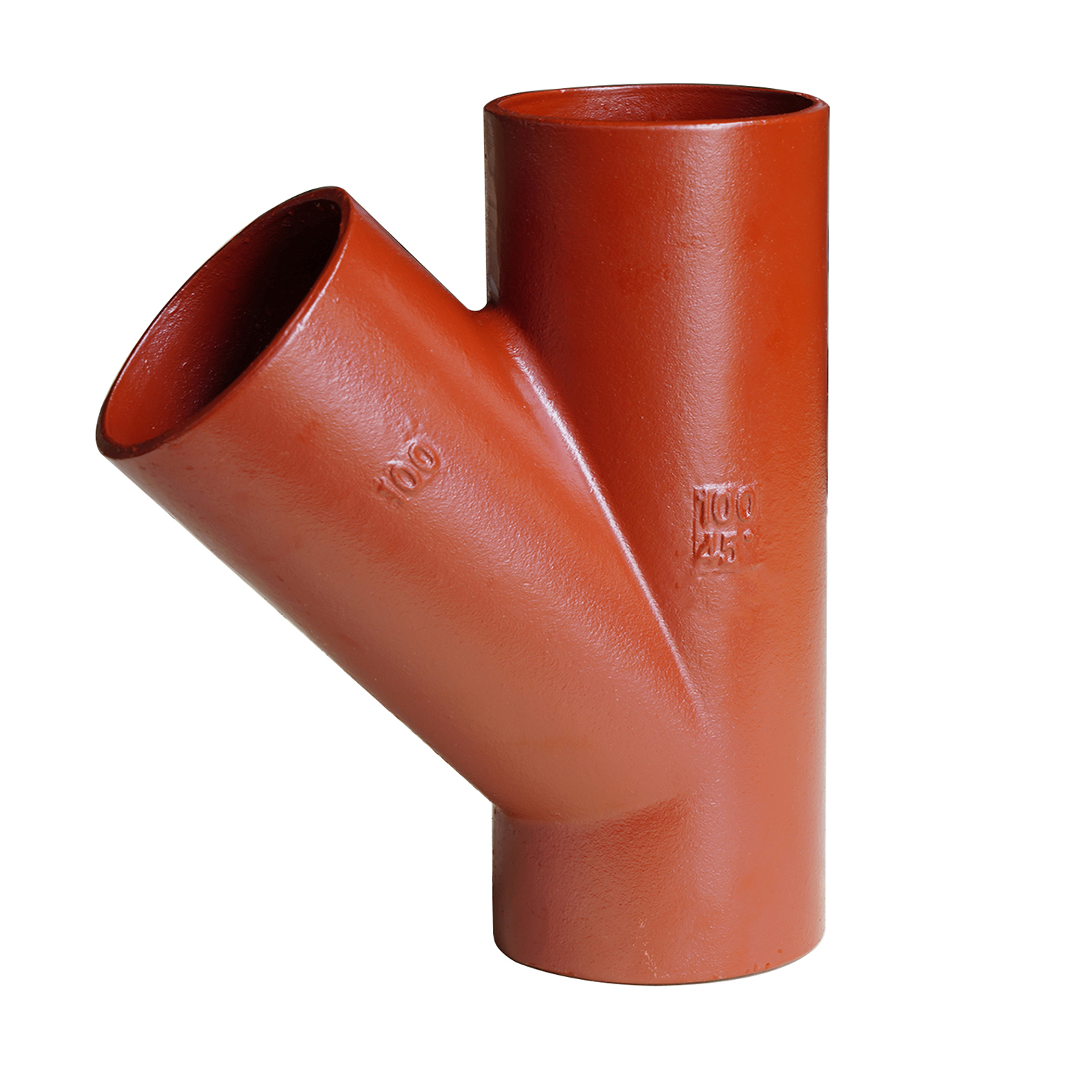
Modern infrastructure projects often present unique challenges that standard off-the-shelf products cannot fully address. This is particularly true for specialized applications requiring specific configurations of cast iron water main pipe. Our China Original Factory specializes in providing customized solutions for DIN EN877 Cast Iron Pipes and Fittings, leveraging extensive engineering expertise and flexible manufacturing capabilities.
Our customization services include:
- ►Tailored Lengths and Diameters: Beyond standard sizes, we can produce pipes in specific lengths and custom diameters to minimize joints and optimize trenching efforts for projects requiring cast ductile iron pipe.
- ►Specialized Coatings and Linings: For aggressive soil conditions or unique fluid transport requirements, we offer a range of specialized internal and external coatings, including enhanced epoxy systems, polyurethane, or multi-layer polyethene for superior protection.
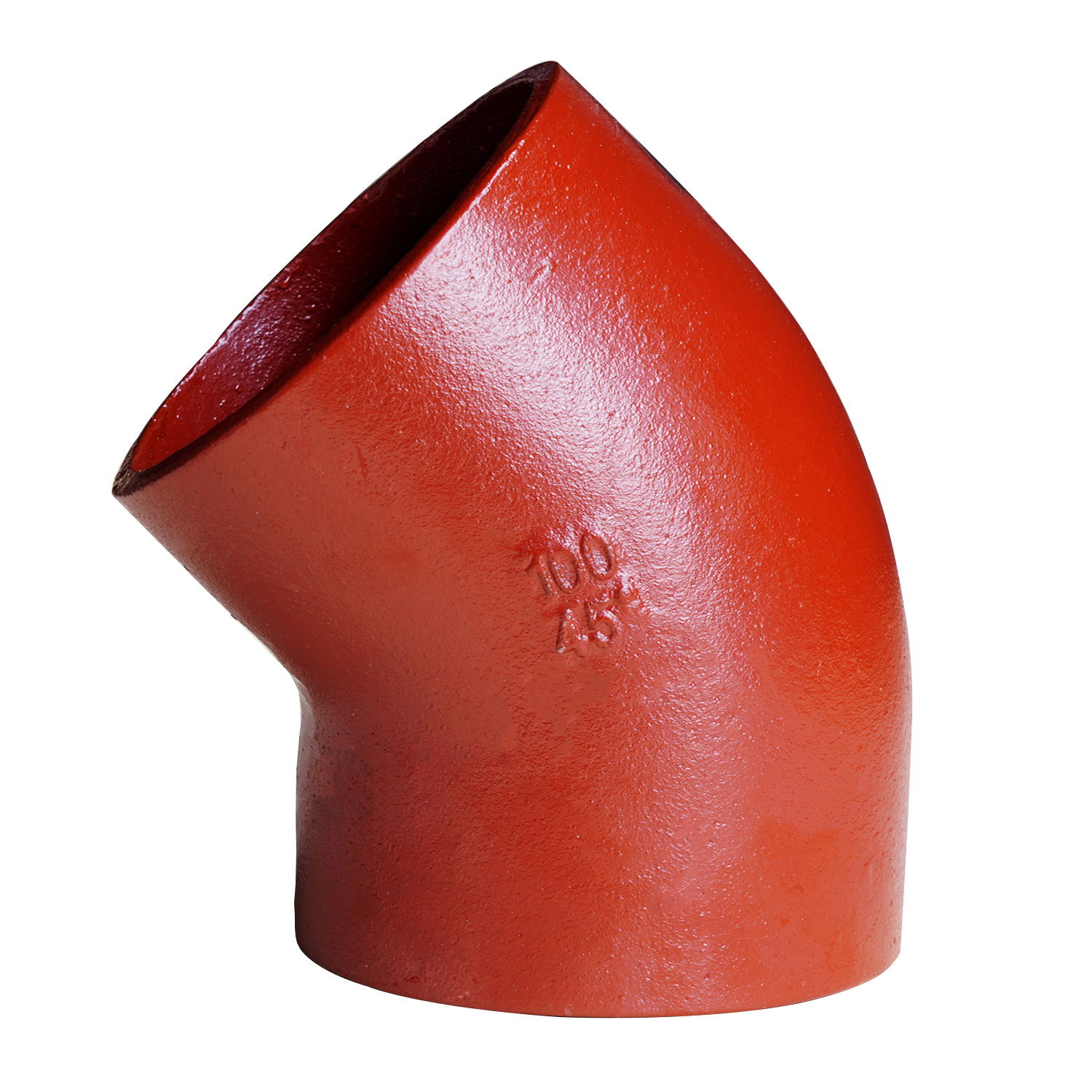
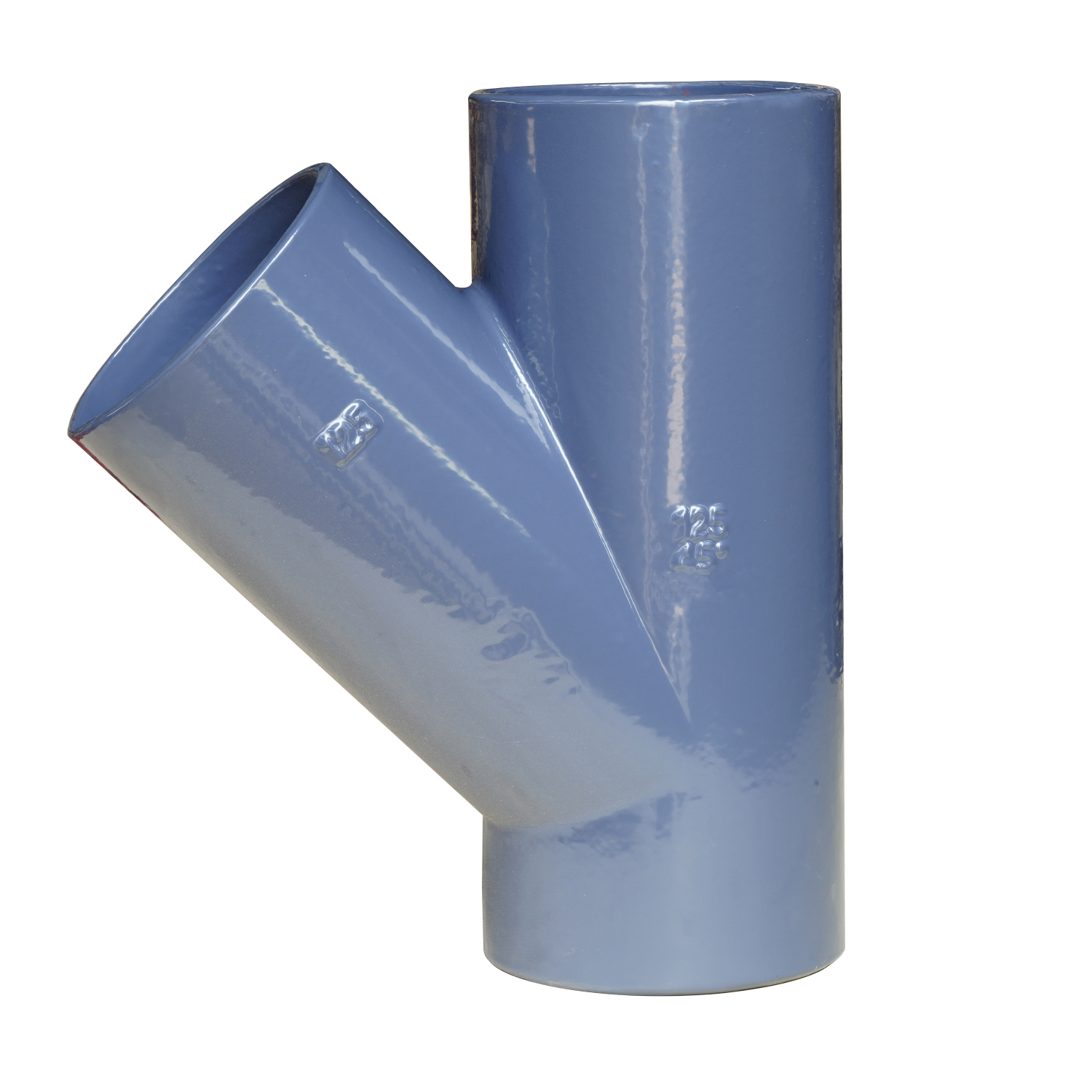
- ►Custom Fittings and Adaptors: Manufacturing bespoke fittings, bends, reducers, and adaptors to seamlessly integrate into existing systems or accommodate complex pipe layouts. This includes specialized bell and spigot ductile iron pipe connections.
- ►Engineering Consultation: Our team of experts provides technical consultation, design assistance, and material selection guidance to ensure the optimal solution for your specific project parameters, extending to robust cast iron conduit for underground utilities.
This bespoke approach ensures that infrastructure projects are not compromised by material limitations, leading to more efficient, cost-effective, and durable installations.
Application Case Studies
Case Study 1: Urban Water Supply Network Upgrade (Municipal)
A major metropolitan area faced significant challenges with an aging water distribution network, experiencing frequent bursts and water loss from old gray cast iron pipes installed over 70 years ago. The project involved replacing approximately 50 kilometers of 300mm to 600mm diameter main lines. Our high-pressure cast iron water main pipe (ductile iron per ISO 2531) with cement mortar lining and zinc-bitumen external coating was selected. The project benefited from rapid installation due to bell and spigot push-on joints, reduced operational costs from improved hydraulic efficiency, and a projected service life exceeding 100 years. Post-installation, the city reported a 25% reduction in non-revenue water and a dramatic decrease in main break incidents.
Case Study 2: Industrial Wastewater Conveyance (Petrochemical)
A large petrochemical complex required a robust solution for conveying highly corrosive industrial wastewater over 10 kilometers. The pipes needed to withstand moderate acidity and abrasive solids. We provided ductile iron pipes with specialized internal epoxy lining and a robust external polyethene coating. The centrifugally cast iron process ensured a dense, uniform structure, vital for resisting chemical attack. The client reported superior performance compared to previous materials, with no signs of internal corrosion or external degradation after five years of continuous operation, significantly reducing maintenance downtime and costs.
Case Study 3: High-Rise Building Drainage System (Commercial)
For a new commercial skyscraper, sound attenuation and fire safety were paramount for its internal drainage system. Our DIN EN877 gray cast iron drain pipe and fittings were specified. These pipes inherently offer excellent sound dampening properties, crucial for mitigating noise from wastewater flow in multi-story buildings. Furthermore, cast iron is non-combustible, providing superior fire resistance compared to plastic alternatives. The project achieved its acoustic and safety objectives, with installers noting the ease of cutting and jointing, affirming the reliability of gray cast iron for such specific applications where sound control and fire safety are prioritized.

Frequently Asked Questions (FAQ)
Q1: What is the primary difference between gray cast iron and ductile iron pipes?
A1: The main difference lies in their microstructure. Gray cast iron has graphite in flake form, making it brittle. Ductile iron, produced by adding magnesium during casting, has graphite in spherical nodules, which provides significantly greater ductility, tensile strength, and impact resistance. Modern cast iron water main pipe refers almost exclusively to ductile iron for pressure applications.
Q2: What standards do your pipes conform to?
A2: Our pipes conform to various international standards including DIN EN877 (for gray cast iron drainage systems), ISO 2531, EN 545 (for ductile iron pressure pipes for water), EN 598 (for ductile iron pressure pipes for sewerage), and relevant ANSI/AWWA standards for the North American market.
Q3: What is the typical service life of a ductile iron water main pipe?
A3: With proper installation and appropriate coatings/linings for the environmental conditions, a ductile iron water main pipe has an expected service life of 100 years or more. Many installations from the mid-20th century are still fully operational today.
Q4: Are your pipes suitable for potable water applications?
A4: Yes, our ductile iron pipes for water mains are internally lined with cement mortar, which is approved for potable water contact and prevents corrosion while maintaining water quality. This is a standard practice globally.
Q5: How do I request a custom solution or obtain a quote?
A5: You can contact our sales or technical support team via phone or email, as detailed in our contact section. Please provide your project specifications, required dimensions, quantity, and any special requirements, and we will provide a detailed proposal and quotation.
Lead Time, Warranty & Customer Support
Lead Time & Fulfillment
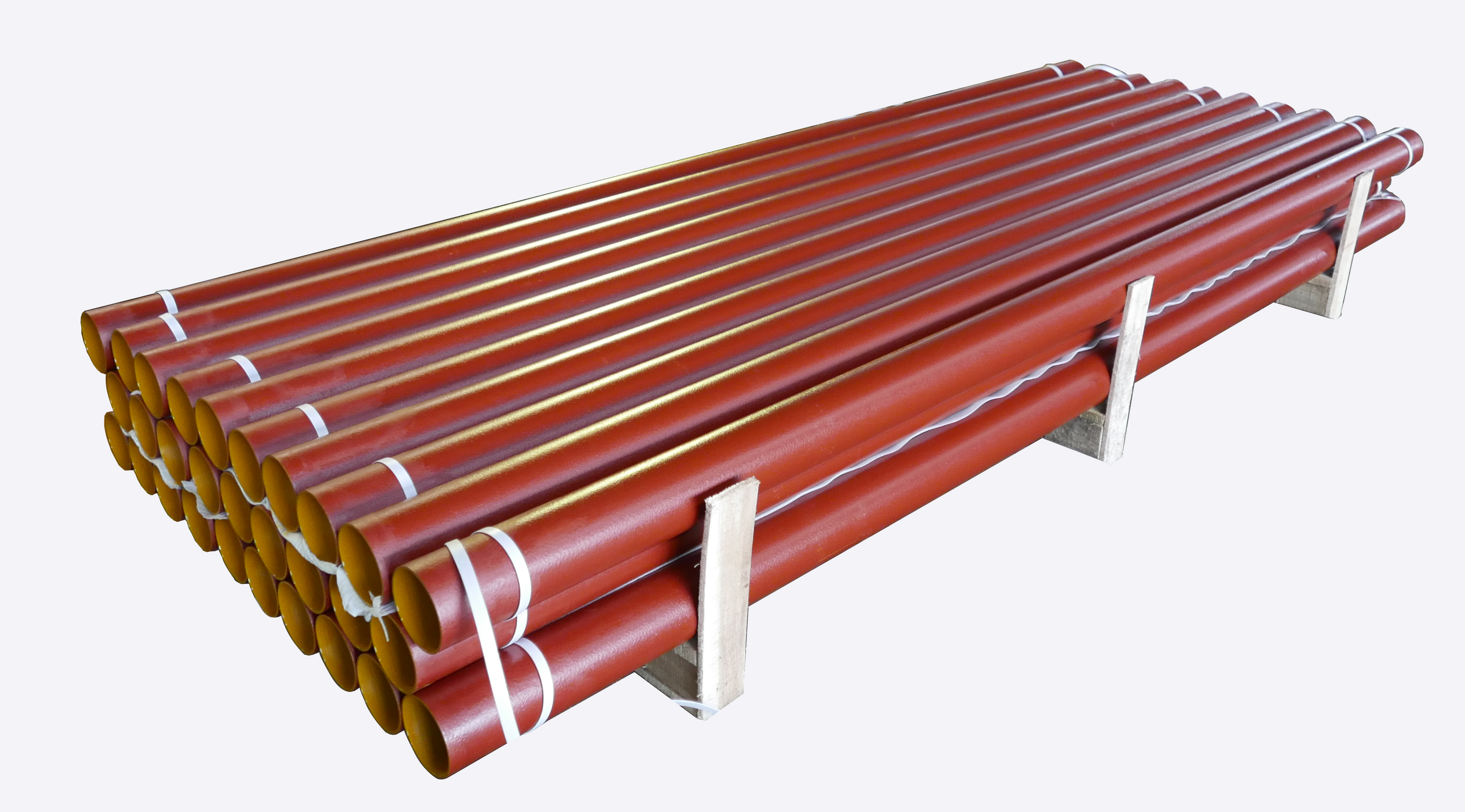
Our streamlined manufacturing processes and robust supply chain enable efficient order fulfillment. Standard pipe dimensions typically have a lead time of 4-6 weeks from order confirmation, depending on volume and current production schedules. Customized solutions may require an additional 2-3 weeks for engineering and specialized production. We work closely with clients to coordinate logistics, ensuring timely delivery to project sites globally. We understand the critical nature of project timelines and strive for reliable and punctual delivery for every cast iron water main pipe order.
Warranty Commitments
We stand behind the quality of our DIN EN877 Cast Iron Pipes and Fittings. All products come with a standard 10-year warranty against manufacturing defects and material failures under normal operating conditions. This commitment reflects our confidence in our stringent quality control and the inherent durability of our centrifugally cast iron products. Detailed warranty terms and conditions are available upon request and are included with every project contract.
Comprehensive Customer Support
Our dedication to client satisfaction extends beyond product delivery. We offer comprehensive after-sales support, including technical assistance for installation, troubleshooting, and maintenance guidance. Our experienced engineering team is available to address any queries or challenges that may arise during the project lifecycle. For inquiries, technical specifications, or support, please contact us at:
- ✉ Email: sales@casiting.com
- ☎ Phone: +86-123-4567-890 (Example)
- ✈ Website: www.casiting.com

References
- Ductile Iron Pipe Research Association (DIPRA). "Ductile Iron Pipe for Water and Wastewater Systems." www.dipra.org.
- International Organization for Standardization (ISO). "ISO 2531: Ductile iron pipes, fittings, accessories and their joints for water applications." www.iso.org.
- European Committee for Standardization (CEN). "EN 877: Pipes and fittings of cast iron with spigot and socket for drain, waste and vent (SWV) pipelines - Requirements, test methods and quality assurance." www.cencenelec.eu.
- American Water Works Association (AWWA). "AWWA C151/A21.51: Ductile-Iron Pipe, Centrifugally Cast, for Water." www.awwa.org.
- Water Research Foundation. "Long-Term Performance of Water Infrastructure: A Comprehensive Review." www.waterrf.org.
-
BAC Heat Exchangers: Efficient, Durable Cooling Solutions for Industry
NewsDec.08,2025
-
Cross Flow Condenser Explained – Insights from Industrial Equipment Experts
NewsDec.08,2025
-
Efficient Heating Coils Heat Exchangers for Industrial Thermal Systems
NewsDec.08,2025
-
Liquid Vapour Heat Exchanger – Reliable Industrial Heat Transfer Solutions | Casiting
NewsDec.08,2025
-
Packaged Plate Heat Exchanger Insights | Industrial Equipment Guide
NewsDec.07,2025
-
Refrigeration Shell And Tube Condenser – Durable Industrial Cooling Solutions by Casiting
NewsDec.07,2025