


Oct . 07, 2025 07:50 Back to list
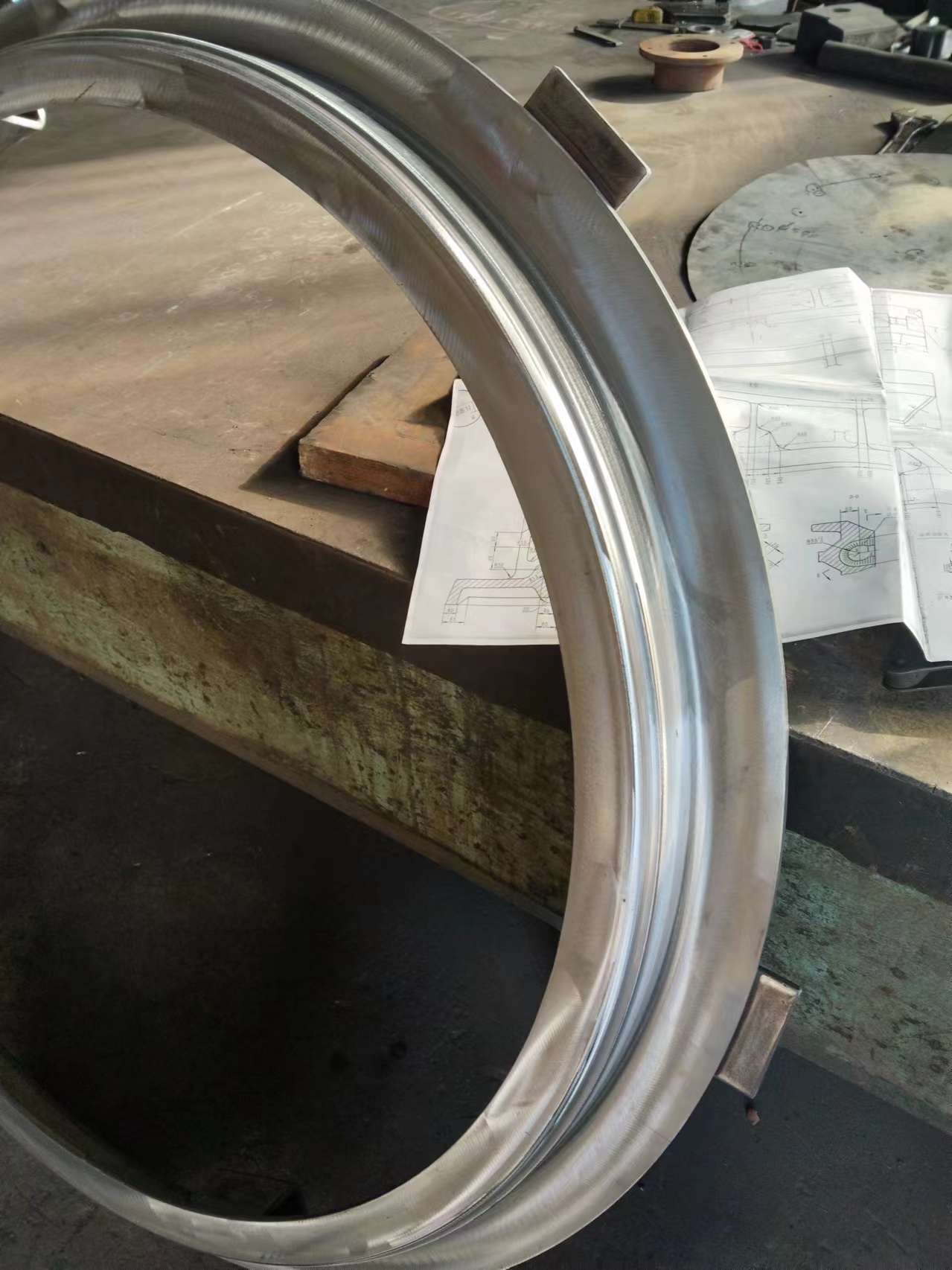
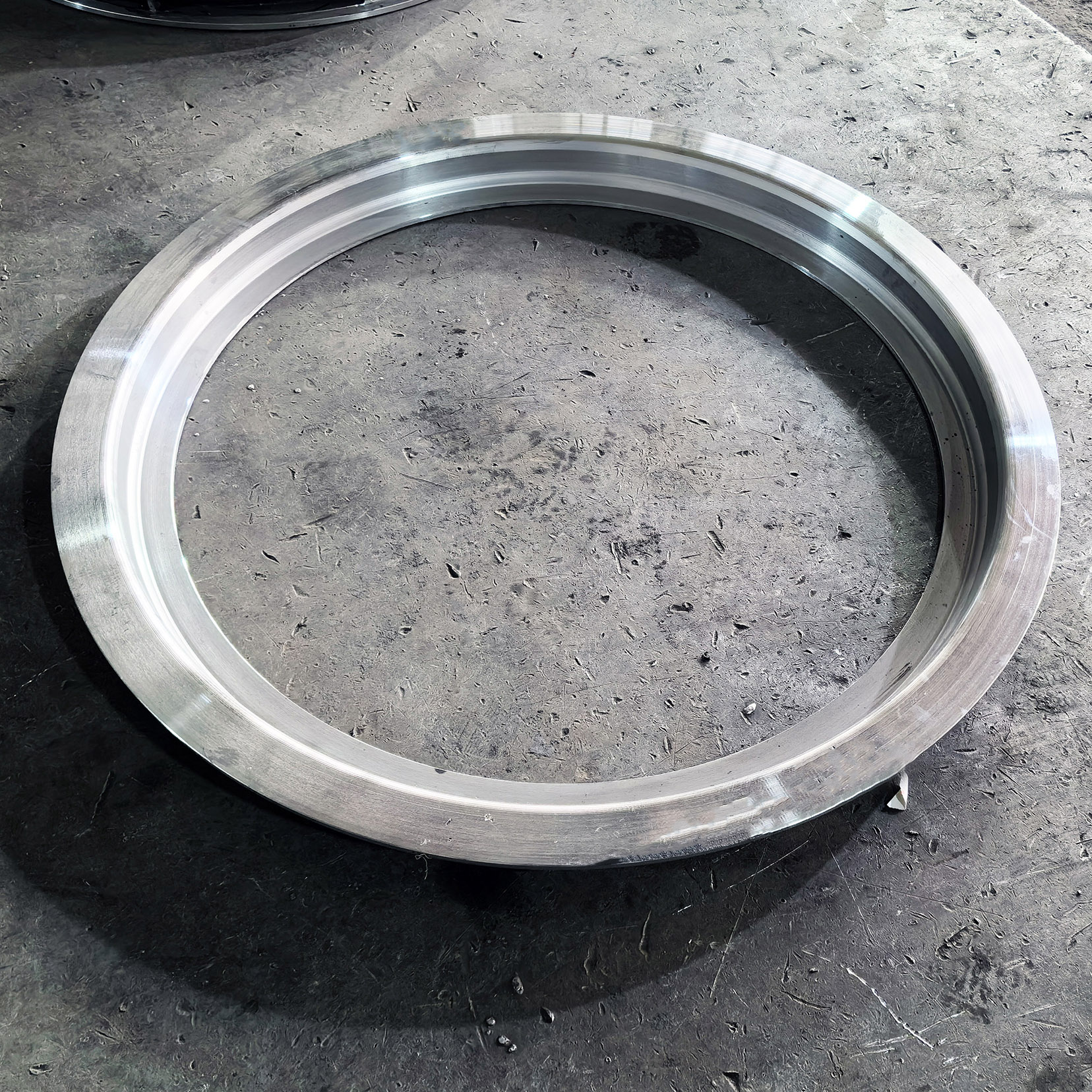
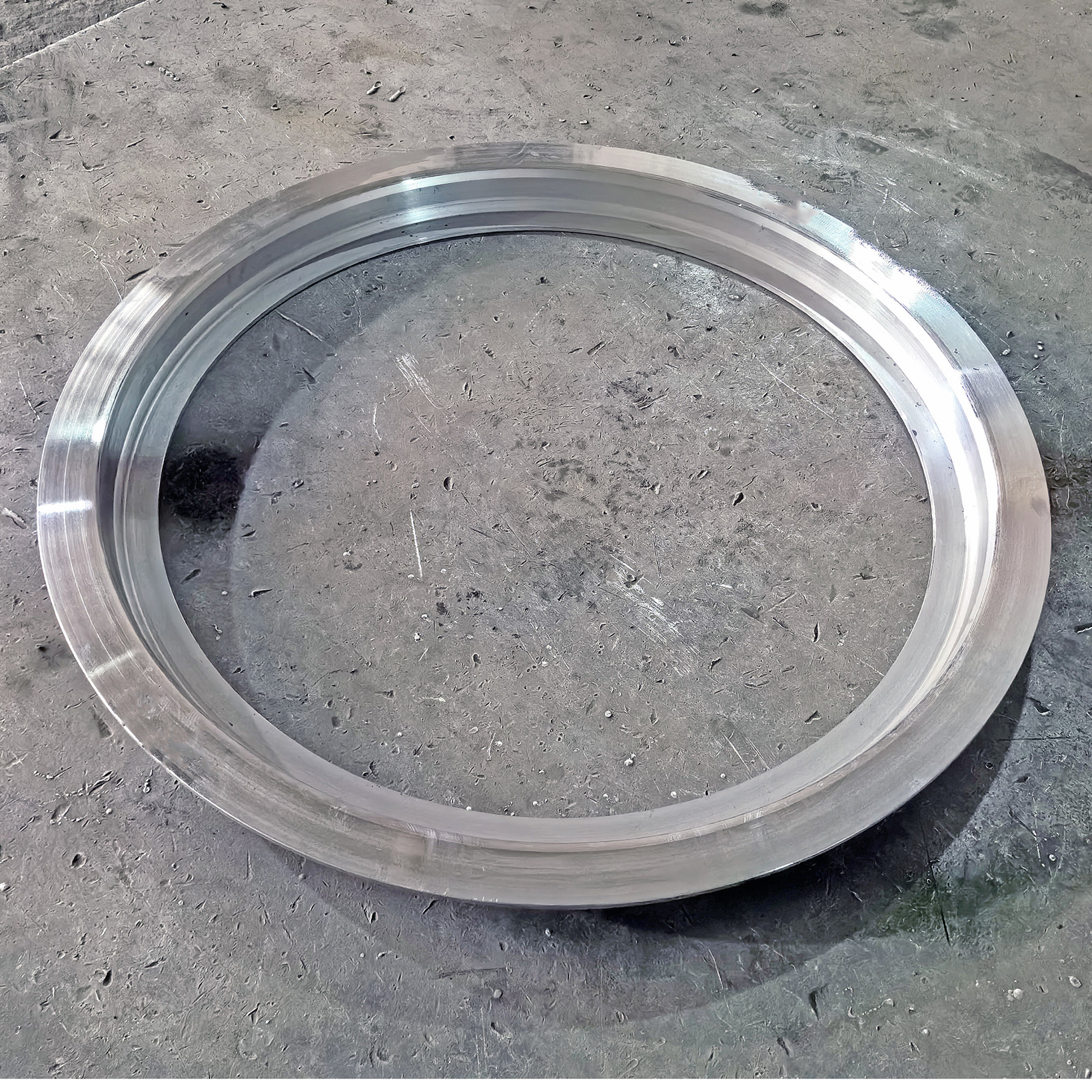
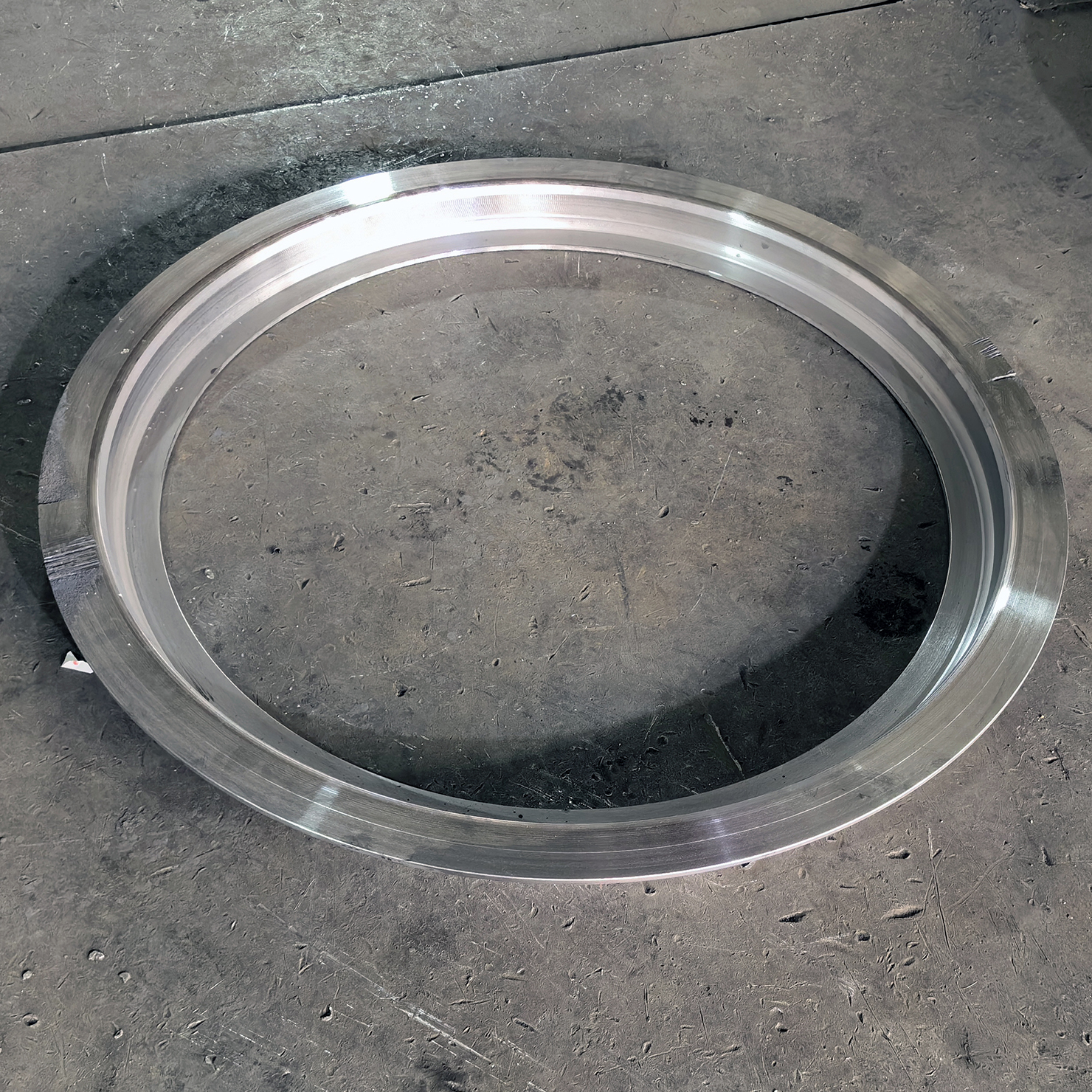
8mm Thin-Wall Cast Steel Manhole Pallet Bottom Ring/Tray?
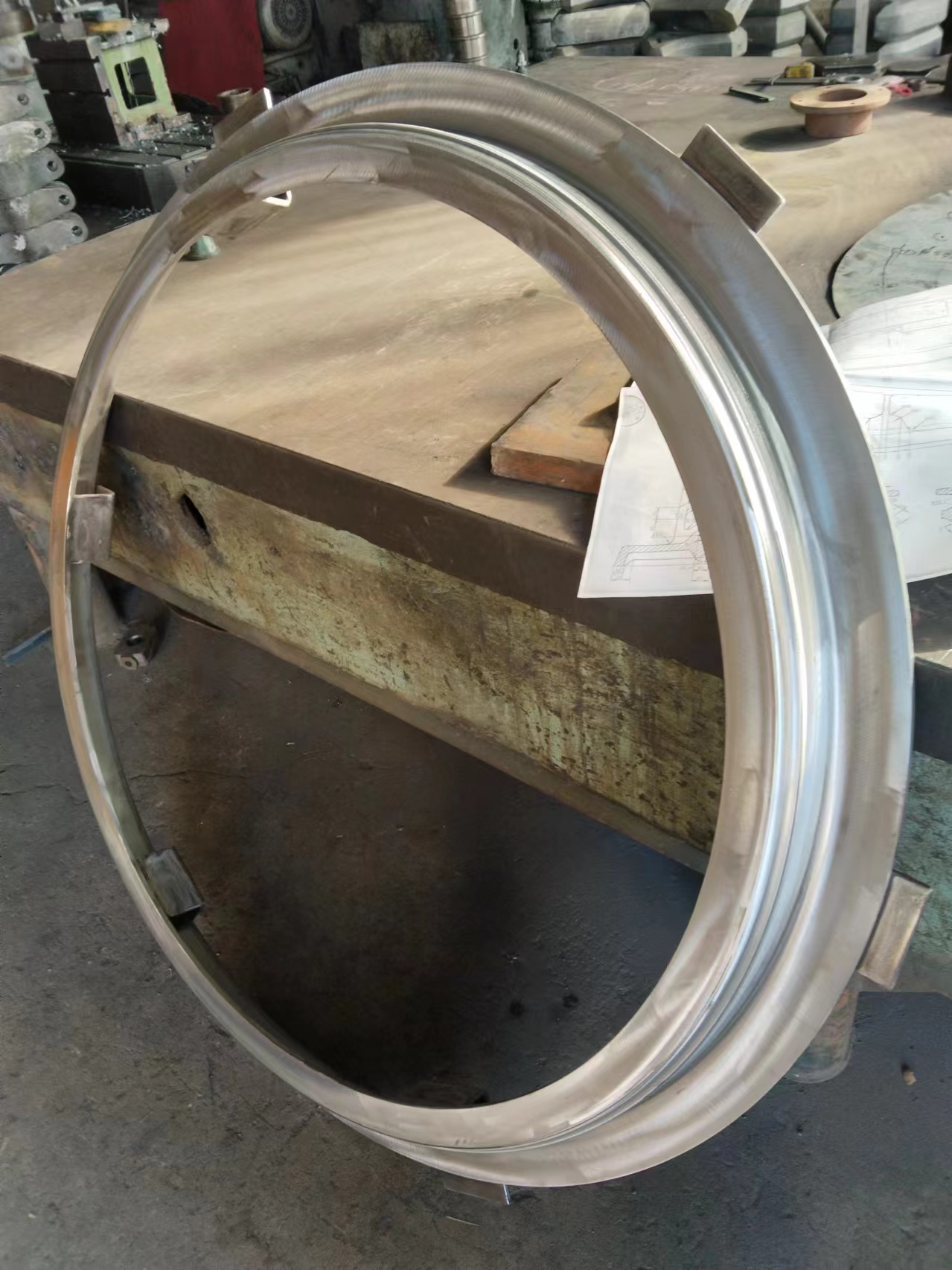
Field Notes on a Quiet Workhorse: 8mm thin-walled cast steel concrete pipe manhole cover pallet bottom ring/tray
I’ve walked enough precast yards to know the unsung heroes aren’t always the big machines. Often, it’s the tooling that sets the rhythm. This thin-walled ring/tray—used as the pallet or bottom ring when producing concrete manhole covers and pipe components—has been getting attention lately, and, to be honest, for good reason.
Why thin-walled? Industry trends in brief
Precasters are shaving seconds off cycles and grams off tooling weight. Thin-wall cast steel (≈8 mm) helps operators maneuver faster, reduces thermal inertia, and still holds geometry through pours and demolding. Many customers say they see cleaner edges and fewer honeycombs when the tray stays true under vibration—surprisingly consistent across plants.
Product snapshot and key specs
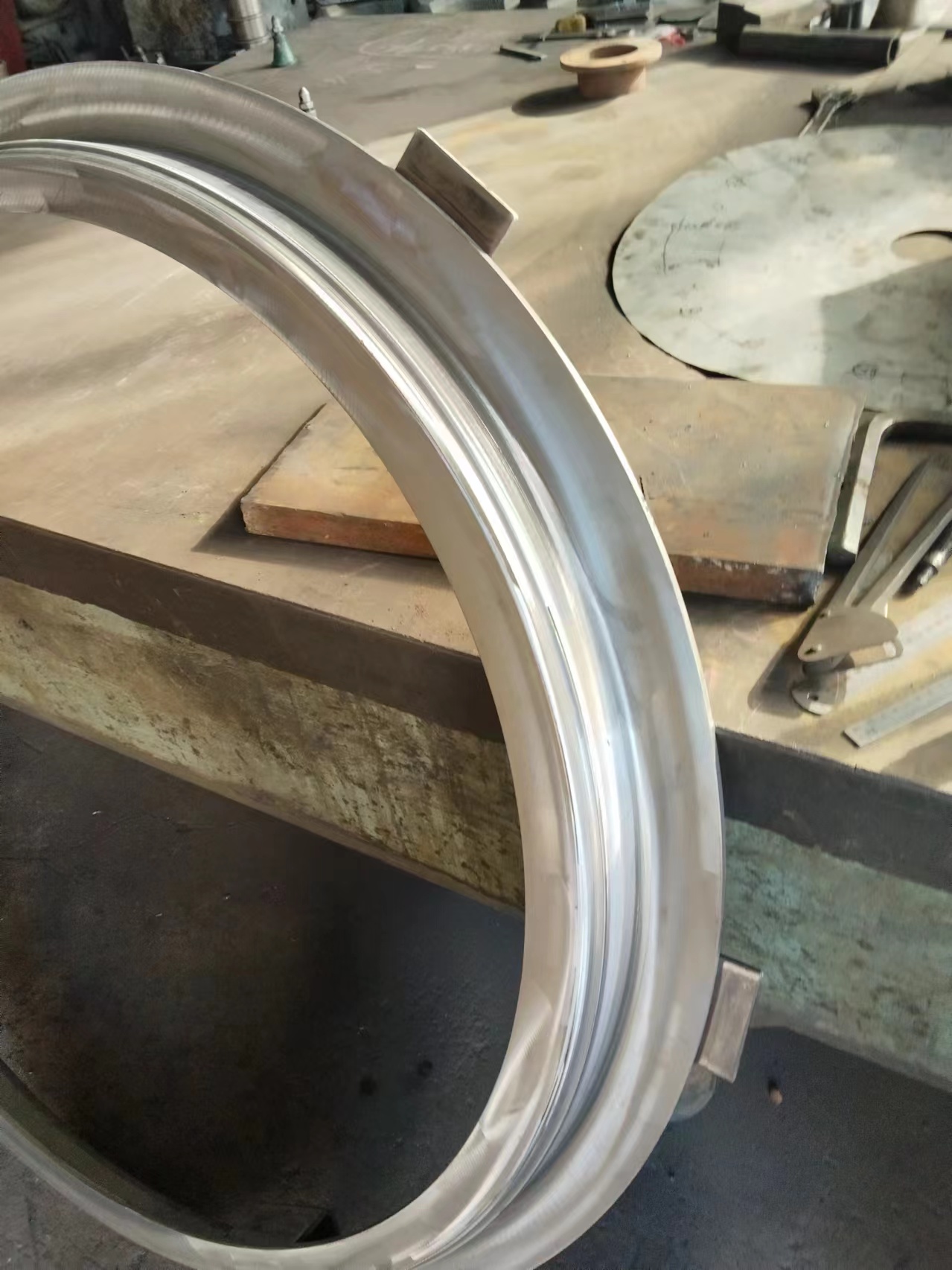
| Product | 8mm thin-walled cast steel concrete pipe manhole cover pallet bottom ring/tray |
| Material options | Carbon steel (cast), ductile iron, gray iron |
| Wall thickness | ≈8 mm (customizable per drawing) |
| Processes | Casting, welding, lathing, CNC machining |
| Dimensional tolerance | ≈±0.8 mm flatness on seating face (real-world use may vary) |
| Surface | Machined seating, anti-rust coating or primer |
| Service life | 3–7 years typical in daily shift production |
| Origin | RM315, Baihui Building, No.57 Sizhong Road, Qiaoxi District, Shijiazhuang, Hebei, China |
How it’s made (and tested)
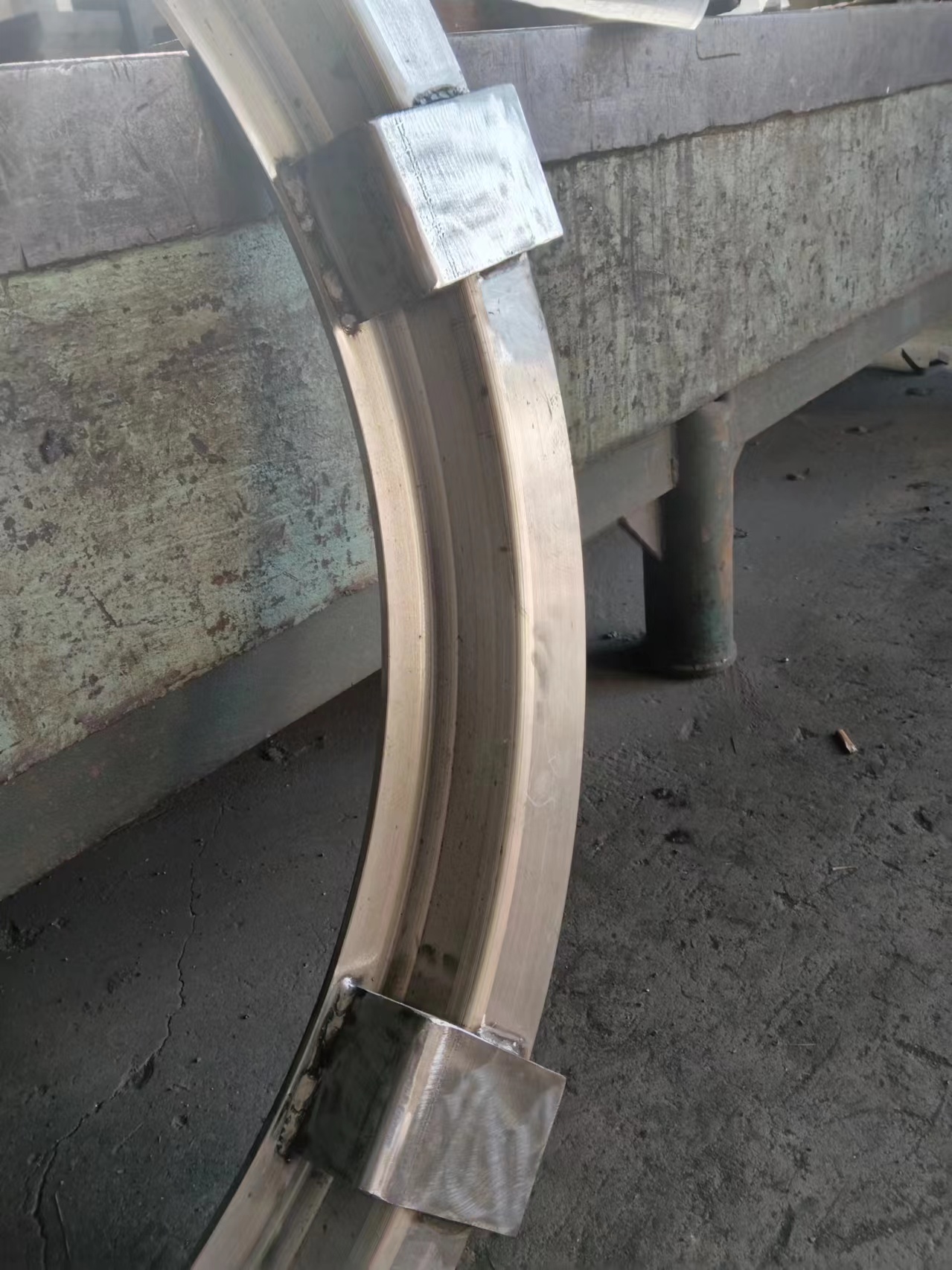
Materials: typically carbon steel for rigidity; ductile iron for impact resilience. Methods: near-net casting for the ring, welding of stiffeners where requested, then lathing/machining of the seating face and datum points. QC: chemical composition per heat, hardness sampling (Brinell), MT/PT for surface discontinuities, and dimensional checks (ISO 8062-3 guidance). For plants aligning to EN 124 cover classes, trays are verified for flatness and roundness so the finished concrete geometry stays within spec. Service notes: light oil or primer before shipment; recoat periodically on site.
Applications you actually see
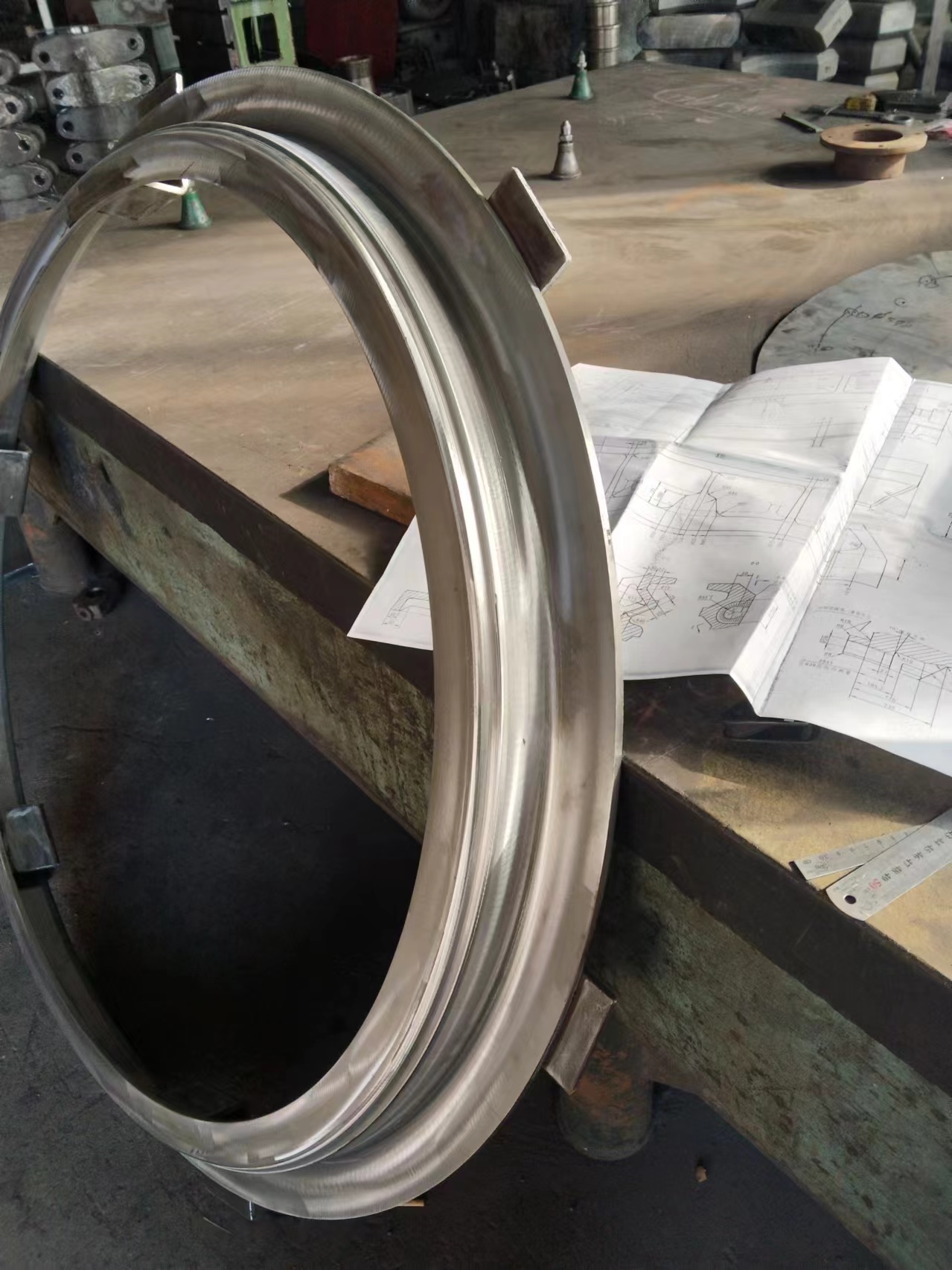
- Precast manhole cover production lines (municipal, telecom, water).
- Reinforced concrete pipe plants where consistent bell/cover geometry matters.
- OEM formwork makers needing ODM parts built straight from drawings.
Delivery terms: FOB Tianjin Xingang or Qingdao; CFR/CIF on request. Shipping: 20' or 40' OT/GP container111s. And yes, ODM/OEM to customer drawings is standard—send the CAD, get a DFM note back. That’s how it should be.
Real-world feedback
A northern China precaster reported a 12–15% reduction in grinding and edge rework after switching to 8mm thin-walled cast steel concrete pipe manhole cover pallet bottom ring/tray sets with machined seating. Another plant in Southeast Asia, running double shifts, logged ≈18 months before the first resurfacing—pretty solid for aggressive vibration regimes.
Vendor comparison at a glance
| Vendor | Material Range | Lead Time | Machining | QC/Certs |
|---|---|---|---|---|
| CASITING (this product) | Cast steel, ductile iron, gray iron | ≈20–35 days | CNC, lathe, welding | ISO 9001; MT/PT; dimensional |
| Foundry B | Ductile iron only | ≈30–45 days | Lathe only | Basic in-process checks |
| Trading House C | Mixed (outsourced) | Varies | Outsourced CNC | Supplier-declared |
Customization and drawings
Send detailed dimensioned drawings; production follows your tolerances and notes. Options: venting holes, lifting lugs, edge radii, datum bosses, primer color, and serialization. If you’re aligning to a manhole cover standard (e.g., EN 124 classes), they’ll match tray geometry to help you hit your concrete dimensions more repeatably.
Case in point
One municipal supplier swapped legacy 12 mm heavy trays for 8mm thin-walled cast steel concrete pipe manhole cover pallet bottom ring/tray units. Result: ≈9% faster demold cycles, fewer chips on edges, and lower operator fatigue. Not flashy, but it adds up over 50 pours a day.
References
-
BAC Heat Exchangers: Efficient, Durable Cooling Solutions for Industry
NewsDec.08,2025
-
Cross Flow Condenser Explained – Insights from Industrial Equipment Experts
NewsDec.08,2025
-
Efficient Heating Coils Heat Exchangers for Industrial Thermal Systems
NewsDec.08,2025
-
Liquid Vapour Heat Exchanger – Reliable Industrial Heat Transfer Solutions | Casiting
NewsDec.08,2025
-
Packaged Plate Heat Exchanger Insights | Industrial Equipment Guide
NewsDec.07,2025
-
Refrigeration Shell And Tube Condenser – Durable Industrial Cooling Solutions by Casiting
NewsDec.07,2025