


Oct . 20, 2025 10:45 Back to list
Cast Iron Water Main Pipe - Durable, Corrosion-Resistant
Cast iron water main pipe: field notes from the trenches
If you’re specifying a cast iron water main pipe in 2025, you’re really talking (in most cities, anyway) about ductile iron mains with modern linings, smarter joints, and coatings that actually stand up to stray current and seawater air. To be honest, the term sticks because crews, asset managers, even my own notes still say “cast iron.” It’s fine. The key is choosing material, coating, and jointing to match soil, pressure, and construction risk—not a buzzword.
Industry trends you can’t ignore
Cities are replacing brittle legacy gray iron with DI pipe conforming to AWWA C150/C151 or EN 545. We’re seeing zinc/aluminum + epoxy topcoats become baseline, restrained joints for seismic zones, and push-on gaskets getting smarter (NBR/EPDM blends). Utilities pair pressure management with leak detection, and—surprisingly—spec 6–13 m sticks vary by logistics, not just standards.
Typical specifications (real-world may vary)
| Parameter | Spec (≈) | Standards |
|---|---|---|
| Nominal diameters | DN80–DN1200 (3–48") | AWWA C150/C151, EN 545, ISO 2531 |
| Pressure class | PN10–PN25; working ≈ 150–350 psi; test up to ≈ 500 psi | AWWA C151 test methods |
| Internal lining | Cement-mortar (C104), epoxy, or polyurethane | AWWA C104, EN 545 Annex |
| External coating | Zinc-aluminum + epoxy; bitumen legacy; PU for soils | EN 545, ISO 8179 |
| Joints | Push-on, mechanical, flanged, restrained | AWWA C111, EN 545 |
| Length | ≈ 6–13 m sticks | Manufacturer specific |
Process flow and testing (the shop-floor reality)
Material starts as pig iron + steel scrap; magnesium treatment creates spheroidal graphite (that’s the ductile in DI). Pipes are centrifugally cast, heat-treated, and internally lined (cement-mortar spinning or sprayed epoxy). External zinc/aluminum is metallized, then overcoated. Tests? Hydrostatic (per C151), ring-bending, impact, coating thickness, holiday detection, and potable-water certification (NSF/ANSI 61 or equivalent). Service life: 50–100+ years in benign soils; aggressive soils need PE encasement or PU coatings.
Vendor comparison (what buyers actually weigh)
| Vendor profile | Certs | Coatings | Lead time | Customization | Price index |
|---|---|---|---|---|---|
| Regional DI mill (EN 545) | ISO 9001, CE | Zn/Al + epoxy | 4–8 weeks | Moderate | $$ |
| AWWA-focused North American mill | NSF/ANSI 61, FM/UL | CML, epoxy, PU | 6–10 weeks | High | $$$ |
| Global OEM with EPC arm | ISO 14001, 45001 | Full portfolio | 8–14 weeks | Turnkey | $$$+ |
Applications, customization, and certifications
Where you’ll see cast iron water main pipe: municipal distribution, industrial cooling loops, fire mains (FM/UL), and coastal intakes (with PU or ceramic-epoxy). Custom touches include restrained joints for HDD, PE encasement for hot soils, flanged spools for vaults, and gaskets matched to chloramine. Certifications to look for: NSF/ANSI 61 for potable, WRAS in the UK, FM/UL for fire, plus ISO 9001 at the mill. Many customers say restrained joints “saved” their schedule when directional drilling hit unexpected cobbles—believable, frankly.
Case notes (two quick ones)
- Midwestern city swapped leaking 1950s gray iron for DI PN16 with cement-mortar lining and zinc/epoxy. NRW dropped ≈18% in 12 months; hydrostatic test acceptance at 1.5× working pressure passed first go on 92% of segments.
- Coastal plant extended life in chloride soils using zinc-aluminum + PU. Coupons showed
A quick aside: heat side of the network
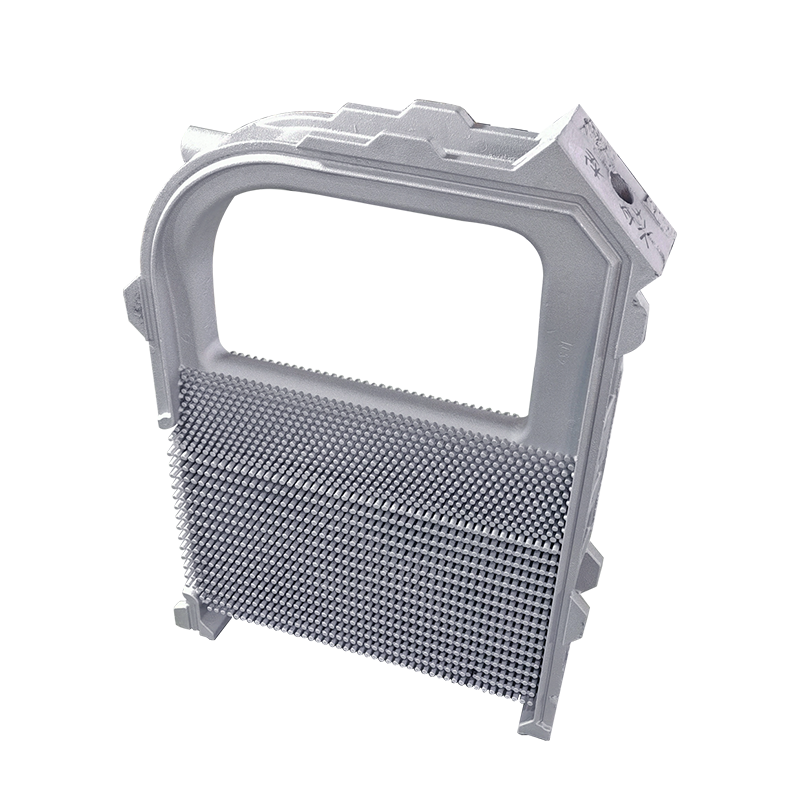
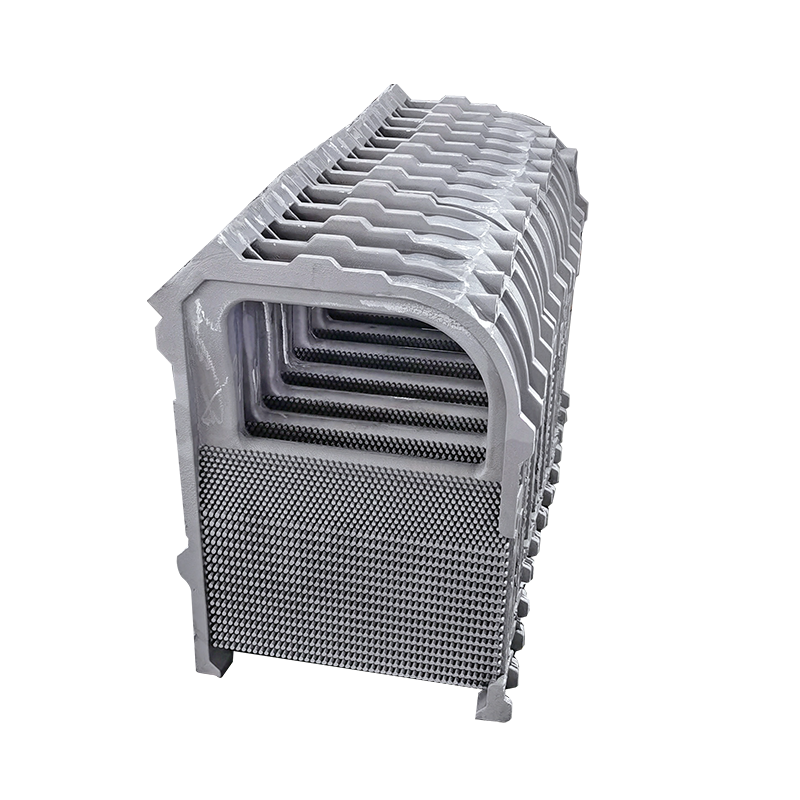
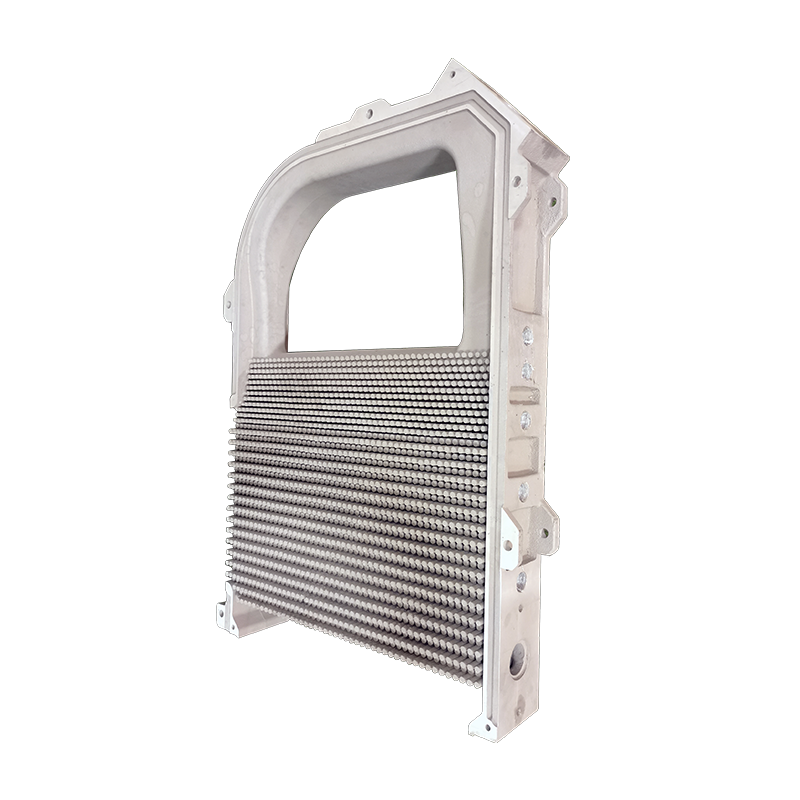
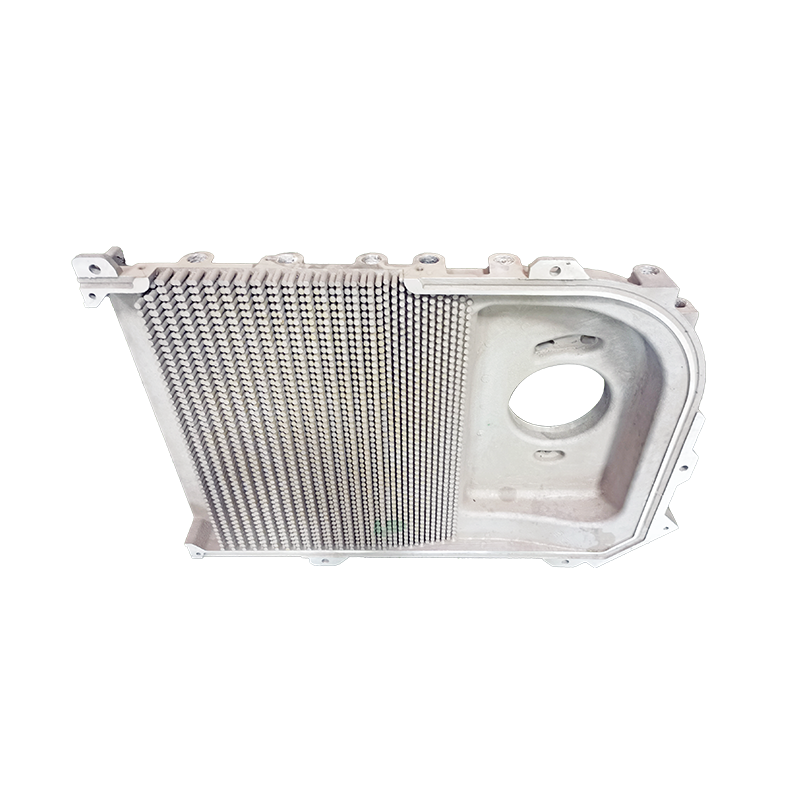
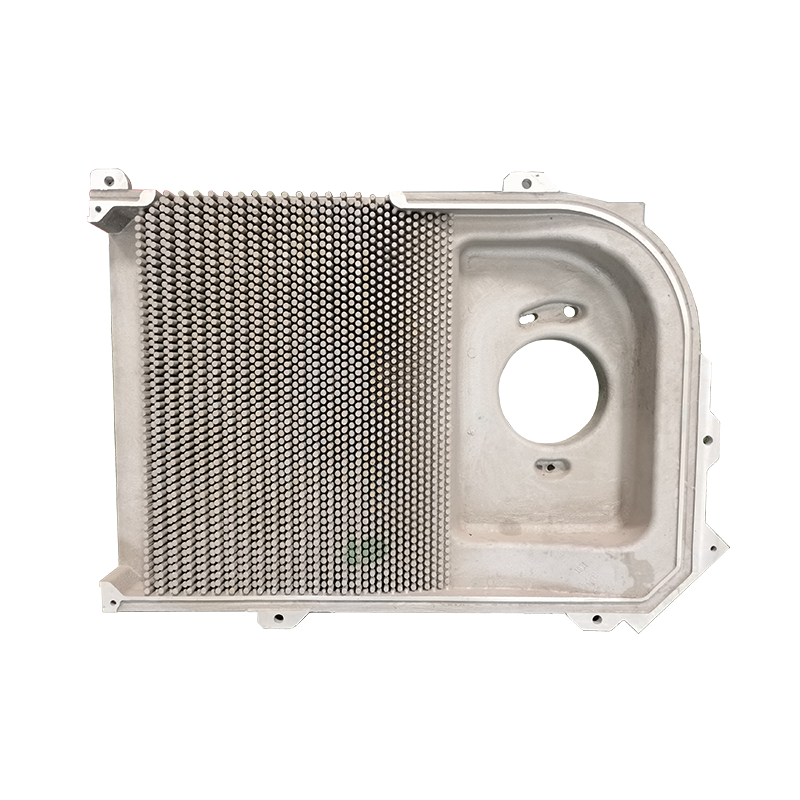
District systems often pair cast iron water main pipe with gas boiler nodes. For that, cast aluminum–silicon heat exchangers are everywhere now. One I’ve seen in procurement docs: Cast Aluminum-Silicon Alloy Radiator/Exchanger (low-pressure sand casting; intermediate frequency furnace), OEM/ODM friendly—Origin: RM315, Baihui Building, No.57 Sizhong Road, Qiaoxi District, Shijiazhuang City, Hebei, China. It seems that OEM flexibility helps when vault dimensions are, well, not quite what the drawings promised.
Bottom line
Pick DI classes based on pressure and surge, choose coatings for your soil, and don’t skimp on joint restraint where ground moves. The right cast iron water main pipe spec lasts decades; the wrong gasket can sink a week.
Authoritative citations
- AWWA C150/A21.50: Thickness Design of Ductile-Iron Pipe
- AWWA C151/A21.51: Ductile-Iron Pipe, Centrifugally Cast
- AWWA C104/A21.4: Cement-Mortar Lining for Ductile-Iron Pipe
- EN 545: Ductile Iron Pipes, Fittings, Accessories and their Joints for Water Pipelines
- ISO 2531: Ductile Iron Pipes, Fittings, Accessories and Joints
- NSF/ANSI/CAN 61: Drinking Water System Components—Health Effects
-
BAC Heat Exchangers: Efficient, Durable Cooling Solutions for Industry
NewsDec.08,2025
-
Cross Flow Condenser Explained – Insights from Industrial Equipment Experts
NewsDec.08,2025
-
Efficient Heating Coils Heat Exchangers for Industrial Thermal Systems
NewsDec.08,2025
-
Liquid Vapour Heat Exchanger – Reliable Industrial Heat Transfer Solutions | Casiting
NewsDec.08,2025
-
Packaged Plate Heat Exchanger Insights | Industrial Equipment Guide
NewsDec.07,2025
-
Refrigeration Shell And Tube Condenser – Durable Industrial Cooling Solutions by Casiting
NewsDec.07,2025