


Sep . 09, 2025 19:40 Back to list
Expert Small Iron Castings | Custom Foundry Solutions
Introduction to Small Iron Castings & Industry Trends
In industrial manufacturing, precision and material integrity are paramount, especially for components operating under demanding conditions. Among these, small iron castings represent a critical category, offering unparalleled durability, heat resistance, and structural stability across a multitude of applications. These components, typically weighing from a few grams up to several kilograms, are indispensable in sectors ranging from automotive and aerospace to HVAC and complex machinery. The sophisticated processes employed by a leading small iron foundry ensure that each casting meets stringent performance criteria.
Current industry trends highlight a significant shift towards greater efficiency, sustainability, and technical precision. There is an increasing demand for castings that not only provide superior mechanical properties but also contribute to energy conservation and reduced environmental impact. This is particularly evident in the HVAC industry, where the development of condensing mains gas boiler technologies, including sophisticated heat exchangers often made from high-grade iron castings or cast aluminum boilers, is revolutionizing heating solutions. Manufacturers are striving to produce boiler a rated systems that deliver optimal thermal performance while minimizing emissions. The focus on low-nitrogen (low-NOx) combustion in boilers is a prime example of this trend, driving innovations in component design and material science to meet stricter global environmental regulations.
The market for precision small iron castings is experiencing robust growth, fueled by technological advancements and the continuous need for reliable, high-performance components. Manufacturers are investing in automation, advanced simulation software, and specialized alloys to achieve tighter tolerances and enhanced material properties. This evolution ensures that components can withstand extreme temperatures, pressures, and corrosive environments, thereby extending the service life of complex systems. The integration of advanced materials and manufacturing techniques is crucial for components utilized in commercial applications, such as the best gas boiler for a large house or industrial process heating units, where reliability directly impacts operational continuity and cost-efficiency.
Manufacturing Process of Small Iron Castings
The creation of high-quality small iron castings is a meticulously controlled process that ensures dimensional accuracy, structural integrity, and superior mechanical properties. This intricate journey begins with design and concludes with rigorous inspection, employing a blend of traditional expertise and modern technological advancements. The typical process flow for precision iron castings is as follows:
Process Flow Overview:
- 1. Pattern Making: Precision patterns, often made from wood, metal, or 3D-printed polymers, are created based on CAD models. These patterns dictate the final shape of the casting, with allowances for shrinkage and machining.
- 2. Molding: Sand molding is the most common technique for iron castings. A mold cavity is formed by compacting sand around the pattern. For intricate small iron castings, shell molding or investment casting (lost wax) might be used for finer surface finish and tighter tolerances. Core boxes are used to create internal features.
- 3. Melting & Alloying: High-purity pig iron, scrap iron, and alloying elements (e.g., carbon, silicon, manganese) are melted in induction furnaces. Strict metallurgical control ensures the desired iron grade, such as grey iron (ASTM A48 Class 30-50) or ductile iron (ASTM A536 Grades 60-40-18 to 120-90-02), is achieved.
- 4. Pouring: The molten iron, at temperatures typically ranging from 1350°C to 1500°C, is carefully poured into the prepared molds. Advanced pouring systems minimize turbulence and prevent inclusions.
- 5. Cooling & Solidification: The molten metal cools within the mold, solidifying into the desired shape. Cooling rates are controlled to influence microstructure and mechanical properties.
- 6. Shakeout & Fettling: Once sufficiently cooled, the casting is removed from the mold (shakeout). Risers, gates, and flash are then removed through processes like grinding, cutting, and shot blasting (fettling).
- 7. Heat Treatment: Depending on the alloy and desired properties, castings may undergo heat treatment (e.g., annealing, normalizing, quenching and tempering) to relieve stress, improve machinability, or enhance strength and ductility.
- 8. Machining & Finishing: For components requiring precise dimensions or smooth surfaces, CNC machining is employed. This includes drilling, milling, and turning to meet exact specifications.
- 9. Inspection & Testing: Castings undergo stringent quality control, including dimensional checks, non-destructive testing (NDT) like magnetic particle inspection, ultrasonic testing, and radiographic testing, as well as mechanical property tests (tensile strength, hardness, impact resistance). Standards like ISO 9001 and ASTM are strictly adhered to.
Product Materials & Standards: Typical materials include Grey Cast Iron (e.g., GG20, GG25, GG30) known for its excellent vibration damping and wear resistance, and Ductile Cast Iron (e.g., GGG40, GGG50, GGG60) prized for its superior strength and ductility. All processes are conducted under strict adherence to international standards such as ISO 9001 for quality management, ASTM for material specifications, and ANSI for dimensional tolerances. The average service life for well-maintained iron castings can exceed 20-30 years, demonstrating their inherent durability.
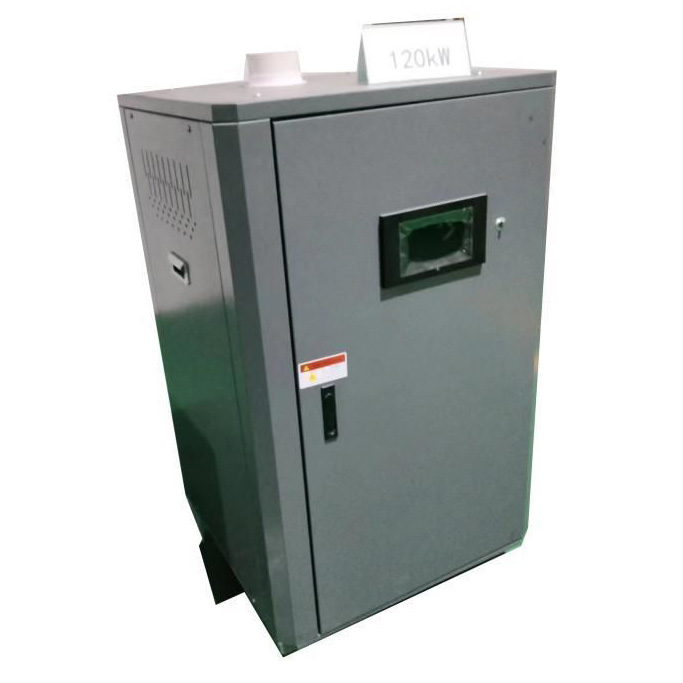
Target Industries & Advantages: These precision components find extensive use in industries such as petrochemical (valve bodies, pump housings), metallurgy (furnace components, molds), water supply & drainage (pipe fittings, impellers), and energy (boiler parts, turbine housings). The inherent advantages of small iron castings in these scenarios include superior corrosion resistance (especially with proper alloy selection or coatings), excellent thermal conductivity, exceptional mechanical strength, and cost-effectiveness for complex shapes. In energy applications, for instance, high-grade iron castings contribute to the energy saving aspects of advanced boiler systems, such as the `COMMERCIAL PURPOSE FULLY PREMIXED SMALL SIZE LOW NITROGEN CONDENSING FLOOR-STANDING GAS-FIRED BOILER`, by withstanding high temperatures and pressures efficiently.
Technical Specifications and Parameters
Understanding the technical specifications of small iron castings is crucial for engineers and procurement specialists to ensure optimal performance and compatibility within demanding systems. Parameters such as material grade, tensile strength, hardness, and dimensional tolerances are fundamental to their application, especially in critical components like those found in advanced heating systems. For instance, the selection of materials for heat exchangers in a condensing mains gas boiler directly impacts its efficiency and longevity.
Typical Parameters for Small Iron Castings
| Parameter | Grey Cast Iron (e.g., ASTM A48 Class 30) | Ductile Cast Iron (e.g., ASTM A536 Grade 65-45-12) | High-Alloy Cast Iron (e.g., Ni-Hard) |
|---|---|---|---|
| Tensile Strength (MPa) | ~200-250 | ~450-600 | ~250-400 (high hardness) |
| Yield Strength (MPa) | N/A (Brittle) | ~300-400 | N/A (Very Hard) |
| Hardness (Brinell HBW) | 180-240 | 180-270 | 450-700 (extreme wear resistance) |
| Elongation (%) | ~0.5 (very low) | >12 | ~0 |
| Corrosion Resistance | Good (aqueous solutions) | Very Good (aqueous solutions, some acids) | Excellent (abrasion/erosion) |
| Dimensional Tolerance (CT Class) | CT9-CT12 (Sand Casting) | CT8-CT11 (Sand Casting) | CT7-CT10 (Investment Casting for smaller parts) |
| Typical Wall Thickness (mm) | 3-50+ | 3-50+ | 2-20 (Investment Casting) |
These specifications are crucial for diverse applications. For example, in components of a homelite gas boiler or an `oil fired combination boilers` system, the thermal fatigue resistance and strength at elevated temperatures are critical. Ductile iron, with its superior strength and toughness, is often preferred for pressure-containing parts, while grey iron is excellent for structural components requiring good vibration damping and machinability.
Material Comparison: Cast Iron vs. Cast Aluminum for Boiler Applications
| Feature | Cast Iron (e.g., Grey/Ductile) | Cast Aluminum |
|---|---|---|
| Density (g/cm³) | ~7.1 - 7.3 | ~2.7 - 2.8 |
| Thermal Conductivity (W/m·K) | ~45 - 60 | ~120 - 180 (higher) |
| Corrosion Resistance | Good (can be improved with coatings) | Excellent (naturally passivated) |
| Operating Temperature (°C) | Up to 350-450 | Up to 200-250 (strength degrades at higher temps) |
| Cost-effectiveness | High (material cost, tooling) | Moderate (material cost, tooling) |
| Vibration Damping | Excellent | Good |
While cast aluminum boilers offer advantages in weight and thermal conductivity for some applications, small iron castings, particularly in their ductile and alloyed forms, excel in high-temperature, high-pressure, and wear-intensive environments where their inherent strength and stability are critical. This makes them ideal for the robust demands of commercial and industrial heating systems, where reliability over decades is a primary concern. Understanding these differences allows for informed material selection to optimize system performance and lifespan.
Application Scenarios & Technical Advantages
The versatility and robustness of small iron castings make them indispensable across a broad spectrum of industrial and commercial applications. Their inherent material properties and the precision afforded by modern casting techniques allow them to meet the stringent requirements of diverse operating environments. The advantages they offer are often critical to the long-term efficiency and reliability of complex systems.
Key Application Sectors:
- Petrochemical Industry: Components for pumps, valves, compressors, and pipeline fittings require exceptional resistance to aggressive chemicals, high temperatures, and pressures. Ductile iron castings, often with specialized coatings, provide the necessary strength and corrosion resistance for these demanding environments.
- Metallurgy & Mining: In harsh, abrasive conditions, components like grinding mill liners, crusher parts, and furnace accessories are frequently made from high-alloy iron castings (e.g., Ni-Hard, High Chrome) due to their extreme wear resistance and thermal stability.
- Water Supply & Drainage Systems: For municipal and industrial water infrastructure, pipe fittings, valve bodies, pump impellers, and hydrants benefit from the strength and durability of iron castings, ensuring leak-free operation and long service life.
- HVAC & Boiler Manufacturing: Boiler sections, heat exchangers, burner components, and manifolds in systems like the `COMMERCIAL PURPOSE FULLY PREMIXED SMALL SIZE LOW NITROGEN CONDENSING FLOOR-STANDING GAS-FIRED BOILER` utilize specialized iron castings. These require excellent thermal stability, corrosion resistance to condensate, and high-pressure integrity. Modern gas boiler makes prioritize robust cast components for durability.
- Automotive & Heavy Machinery: Engine blocks, cylinder heads, brake components, transmission cases, and agricultural machinery parts rely on the strength, wear resistance, and cost-effectiveness of various grades of iron castings.
Technical Advantages in Application Scenarios:
- Energy Saving: In condensing boiler applications, specialized iron castings designed with optimized geometries facilitate maximum heat transfer from flue gases, leading to higher efficiency and reduced fuel consumption. Their ability to withstand the corrosive nature of condensate formed during the condensing process ensures long-term performance. This contributes directly to a boiler being boiler a rated.
- Corrosion Resistance: For environments with acidic condensate (e.g., in condensing boilers) or aggressive chemical process streams, alloyed iron castings provide superior resistance compared to standard materials, extending component life and reducing maintenance.
- High Pressure Capability: Ductile iron castings possess excellent tensile strength and toughness, making them ideal for components exposed to high internal pressures, such as pump housings, valve bodies, and hydraulic manifolds.
- Thermal Stability & Creep Resistance: In high-temperature applications, such as furnace components or boiler parts operating at several hundred degrees Celsius, the inherent thermal stability of iron castings prevents distortion and creep, ensuring structural integrity over time.
- Vibration Damping: Grey iron castings, due to their graphite flake structure, exhibit exceptional vibration damping capabilities. This is crucial for machinery components where noise reduction and stability are important.
- Cost-Effectiveness for Complex Geometries: Casting is an ideal process for producing intricate shapes that would be expensive or impossible to achieve through machining or fabrication. This allows for optimized designs that reduce material waste and assembly costs.
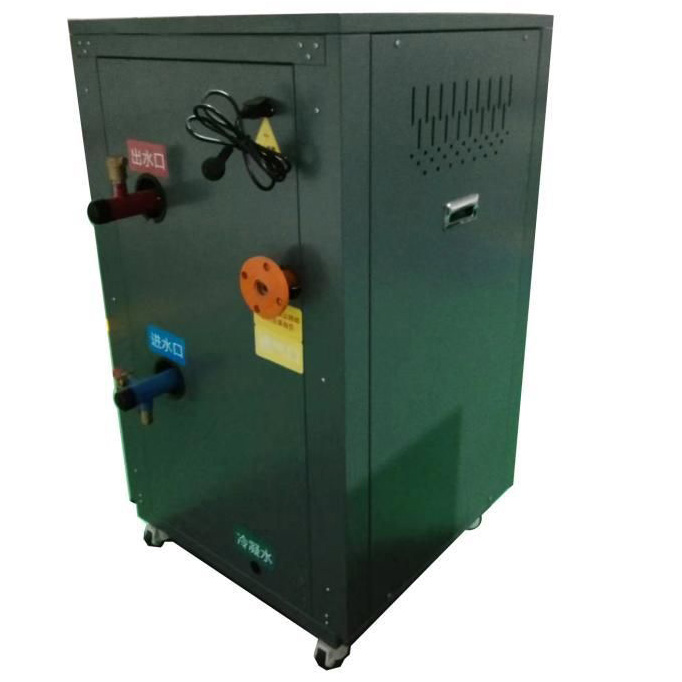
The judicious selection and application of small iron castings are fundamental to achieving the desired performance, longevity, and cost-efficiency in a wide array of industrial and commercial systems, underlining their continuing relevance in advanced engineering.
Vendor Comparison & Customized Solutions
Selecting the right small iron foundry partner is paramount for securing high-quality small iron castings that meet exact project specifications and performance demands. A thorough vendor comparison goes beyond initial cost, delving into capabilities, quality assurance, and technical support. This is especially true for critical components like those in a lpg gas boiler or a sophisticated `COMMERCIAL PURPOSE FULLY PREMIXED SMALL SIZE LOW NITROGEN CONDENSING FLOOR-STANDING GAS-FIRED BOILER`.
Key Criteria for Vendor Comparison:
- Certifications & Quality Management: Look for ISO 9001, IATF 16949 (automotive), and other relevant industry certifications. A robust Quality Management System (QMS) ensures consistent product quality and traceability.
- Technical Expertise & R&D: Assess the foundry's engineering team, their experience with various iron alloys (e.g., grey, ductile, Ni-Resist, high-chrome), and their capability for design optimization, solidification modeling, and metallurgical analysis.
- Casting Capabilities: Evaluate the range of casting processes offered (sand, shell, investment), maximum/minimum part weight, complexity of achievable geometries, and post-casting capabilities (heat treatment, machining, surface finishing).
- Production Capacity & Lead Times: Ensure the foundry can meet your volume requirements and project timelines, including surge capacity for unforeseen demands.
- Testing & Inspection Facilities: A reputable foundry will have in-house facilities for chemical analysis (spectrometer), mechanical testing (tensile, hardness), and Non-Destructive Testing (NDT) such as ultrasonic, magnetic particle, or X-ray inspection.
- Customer Support & Communication: Responsive technical support, clear communication channels, and a proactive approach to problem-solving are vital for long-term partnerships.
Tailored & Customized Solutions:
Modern foundries distinguish themselves by offering comprehensive customized solutions, moving beyond mere part production to becoming true engineering partners. This approach is critical for specialized components, such as those used in a `best gas boiler for a large house` or intricate industrial machinery, where off-the-shelf solutions are rarely sufficient.
- Custom Alloy Development: Collaborating with clients to develop specific iron alloys that possess unique properties (e.g., enhanced corrosion resistance for flue gas, improved wear resistance for pumps, or specific thermal expansion characteristics).
- Design Optimization (DFM - Design for Manufacturability): Leveraging advanced simulation tools (e.g., casting simulation software) to optimize part design for castability, minimize defects, reduce material usage, and improve structural performance. This includes optimizing wall thickness, radii, and gate/riser placement.
- Prototyping & Rapid Tooling: Offering rapid prototyping services using 3D printing for patterns, allowing for quick design iterations and validation before committing to costly production tooling.
- Integrated Manufacturing: Providing value-added services such as advanced CNC machining, heat treatment, surface finishing (e.g., painting, powder coating, galvanizing), and even assembly, delivering a fully finished component.
- Reverse Engineering: The capability to reverse engineer existing components to improve performance, analyze failure modes, or replicate legacy parts where original designs are unavailable.
By engaging with a foundry capable of providing these customized solutions, businesses can ensure their small iron castings are perfectly tailored to their application, leading to superior product performance, extended operational life, and ultimately, a stronger competitive advantage.
Real-World Case Studies & Experience
The tangible impact of high-quality small iron castings is best illustrated through real-world applications and customer success stories. These examples underscore the critical role these components play in diverse industries, showcasing their durability, performance, and contribution to system efficiency. Our extensive experience in producing custom iron castings for various sectors has generated numerous positive outcomes.
Case Study 1: Enhanced Efficiency in Commercial Boiler Systems
Client: A leading HVAC manufacturer specializing in commercial heating solutions.
Challenge: The client sought to develop a new generation of high-efficiency, low-NOx commercial boilers, including their `COMMERCIAL PURPOSE FULLY PREMIXED SMALL SIZE LOW NITROGEN CONDENSING FLOOR-STANDING GAS-FIRED BOILER`. A key challenge was to design and manufacture intricate heat exchanger sections that could withstand corrosive condensate, high thermal cycling, and deliver optimal heat transfer, while keeping component weight manageable for assembly.
Solution: Our team collaborated closely with the client's R&D department. We proposed a specialized ductile iron alloy (e.g., a high silicon ductile iron) with enhanced corrosion resistance specifically tailored for condensing applications. Using advanced casting simulation software, we optimized the internal geometry of the heat exchanger sections to maximize surface area for heat transfer and ensure uniform cooling, minimizing stress concentrations. The design also incorporated features for easy integration into the boiler assembly.
Outcome: The resulting small iron castings provided exceptional thermal efficiency (achieving over 98% AFUE for the boiler system), significantly improved corrosion resistance, and demonstrated a projected service life exceeding 25 years. The client successfully launched their new boiler series, gaining a competitive edge in the market for energy-efficient heating solutions and solidifying their reputation as a top `gas boiler makes` provider.
Client Feedback: "The engineering support and the quality of the iron castings were instrumental in achieving our performance targets. The durability and efficiency of the heat exchanger components exceeded our expectations."
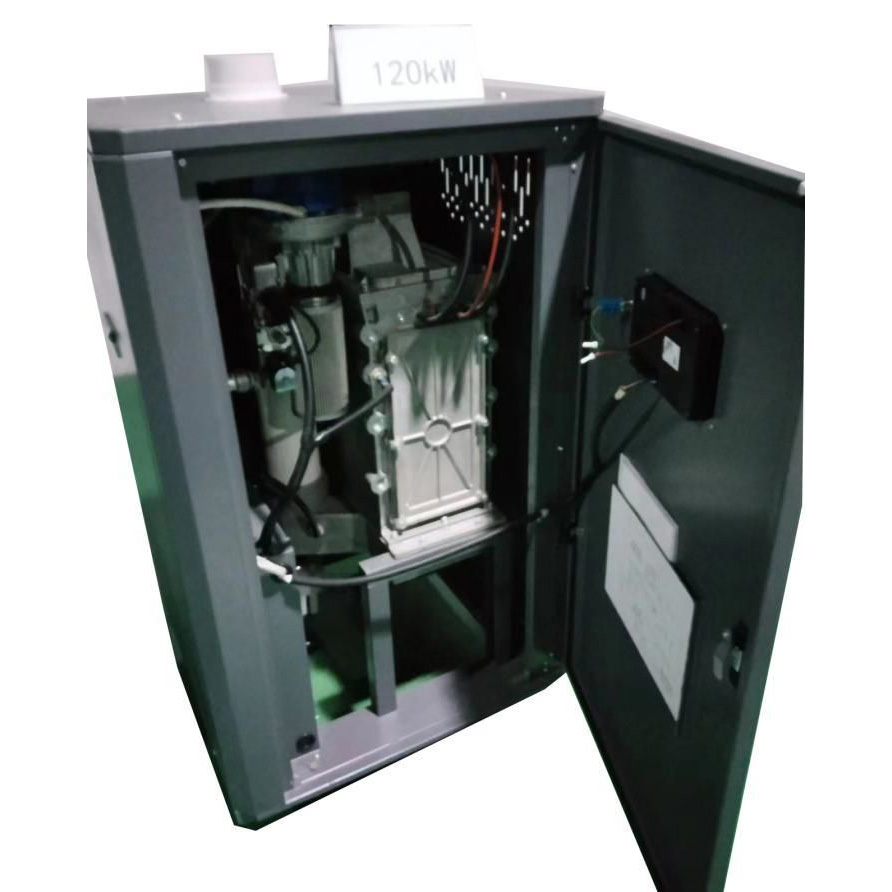
Case Study 2: High-Pressure Pump Housings for Petrochemical Applications
Client: A manufacturer of industrial pumps for the petrochemical industry.
Challenge: The client required high-strength, high-pressure pump housings capable of withstanding aggressive media and operating at elevated pressures (up to 200 bar) for continuous duty cycles in oil and gas processing plants. The existing fabricated steel housings were prone to weld fatigue and complex to manufacture efficiently.
Solution: We proposed ductile iron castings (ASTM A536 Grade 80-55-06) as an optimal material choice for its excellent strength-to-weight ratio and inherent castability for complex internal geometries. Our engineers worked with the client to redesign the pump housing for casting, incorporating optimized wall thicknesses and radii to ensure structural integrity under high cyclic loads. We utilized a rigorous NDT protocol, including ultrasonic and magnetic particle inspection, to guarantee casting soundness.
Outcome: The cast ductile iron pump housings demonstrated superior pressure retention and fatigue resistance compared to fabricated alternatives. The consolidated design achieved through casting reduced part count and assembly complexity, leading to a 15% cost reduction per unit. The client reported zero field failures related to the housing components over a 5-year operational period, significantly enhancing product reliability and customer trust. This proved the robustness of well-engineered small iron castings in critical infrastructure.
Client Feedback: "Switching to cast iron for our pump housings was a game-changer. The performance, cost-efficiency, and reliability far surpassed our previous solution. This partnership demonstrated deep expertise in both material science and foundry engineering."
Trustworthiness & Support: FAQ, Lead Times, Warranty, and After-Sales
Frequently Asked Questions (FAQ) about Small Iron Castings
- Q1: What are the primary advantages of iron castings over other materials like steel or aluminum?
- A1: Iron castings offer excellent vibration damping, superior wear resistance (especially grey iron), good machinability, and are highly cost-effective for producing complex geometries. Ductile iron provides high strength and toughness, often rivalling steel, while being more cost-efficient for intricate shapes. Compared to cast aluminum boilers components, iron castings typically handle higher temperatures and pressures with greater long-term stability.
- Q2: How are quality and dimensional accuracy ensured for small iron castings?
- A2: Quality is ensured through a multi-stage process: strict control over raw material input, continuous monitoring of melting and pouring parameters, advanced casting simulation software for design optimization, robust in-process checks, and comprehensive final inspection including dimensional verification, mechanical property testing, and NDT (e.g., ultrasonic, magnetic particle). We adhere to ISO 9001 quality management standards.
- Q3: Can you produce custom iron castings based on my specific design requirements?
- A3: Absolutely. We specialize in customized solutions. Our engineering team works closely with clients from concept to production, offering DFM (Design for Manufacturability) analysis, custom alloy development, rapid prototyping, and advanced machining to meet unique functional and dimensional specifications for your small iron castings.
- Q4: What material grades of iron castings do you typically offer?
- A4: We offer a wide range including Grey Iron (e.g., ASTM A48 Class 20-50, EN-GJL-150 to EN-GJL-300), Ductile Iron (e.g., ASTM A536 Grades 60-40-18 to 120-90-02, EN-GJS-400-15 to EN-GJS-800-2), and various alloyed irons for specific properties like high wear or corrosion resistance (e.g., Ni-Resist, high-chrome white irons). Selection depends on the application's demands.
Lead Time & Fulfillment Details
Our lead times for small iron castings vary based on complexity, material, and order volume. For standard parts or repeat orders, production typically ranges from 4-6 weeks after order confirmation. For new designs requiring pattern development, sampling, and approval, initial lead times can be 8-12 weeks. We utilize robust production planning and inventory management systems to ensure on-time delivery. Expedited options are available for urgent requirements, subject to project scope and capacity. Our logistics team works with trusted carriers to ensure secure and timely global delivery.
Warranty Commitments
We stand behind the quality of our small iron castings with a comprehensive warranty. All products are warranted against defects in material and workmanship for a period of 12-24 months from the date of shipment, depending on the specific product and application. This warranty covers manufacturing defects and ensures that our castings meet all agreed-upon specifications and industry standards (e.g., ISO, ASTM). Should a defect covered by the warranty arise, we commit to prompt repair, replacement, or credit, ensuring minimal disruption to your operations. Full warranty terms and conditions are available upon request.
Dedicated Customer Support
Our commitment to our clients extends far beyond product delivery. We provide dedicated customer support to assist with technical queries, order tracking, and any post-sales requirements. Our team of experienced engineers and customer service representatives is available to offer expert advice on material selection, design optimization, and application challenges. We believe in building long-term partnerships through responsiveness, reliability, and continuous support.
- Technical Assistance: Access to our engineering team for in-depth technical consultations.
- Responsive Communication: Dedicated account managers ensure clear and timely communication throughout your project.
- After-Sales Service: Support for installation queries, maintenance advice, and troubleshooting to maximize the lifespan and performance of your cast components.
- Global Reach: Our support infrastructure is designed to serve clients internationally, ensuring consistent service regardless of location.
Conclusion
The advanced manufacturing of small iron castings stands as a cornerstone of modern industrial engineering. These components are critical for ensuring the reliability, efficiency, and longevity of systems across diverse sectors, from the rigorous demands of petrochemical processing to the sophisticated heat exchange mechanisms in high-efficiency boilers. With ongoing innovations in material science and casting technologies, the capabilities of a specialized small iron foundry continue to expand, offering tailored solutions that address increasingly complex technical challenges.
By prioritizing precision manufacturing, adherence to global quality standards, and continuous technical innovation, manufacturers can leverage the inherent strengths of iron castings to achieve superior performance, cost-effectiveness, and sustainability. As industries evolve towards more energy-efficient and environmentally responsible practices, the role of precisely engineered small iron castings will only become more pronounced, underpinning the next generation of industrial and commercial solutions.
References
- American Society for Testing and Materials (ASTM) International. "Standard Specifications for Grey Iron Castings" and "Standard Specifications for Ductile Iron Castings." ASTM.org.
- International Organization for Standardization (ISO). "ISO 9001 Quality Management Systems – Requirements." ISO.org.
- ASM Handbook, Volume 15: Casting. ASM International.
- The Castings Technology International (CTI) Knowledge Base. CastingsTech.com.
-
BAC Heat Exchangers: Efficient, Durable Cooling Solutions for Industry
NewsDec.08,2025
-
Cross Flow Condenser Explained – Insights from Industrial Equipment Experts
NewsDec.08,2025
-
Efficient Heating Coils Heat Exchangers for Industrial Thermal Systems
NewsDec.08,2025
-
Liquid Vapour Heat Exchanger – Reliable Industrial Heat Transfer Solutions | Casiting
NewsDec.08,2025
-
Packaged Plate Heat Exchanger Insights | Industrial Equipment Guide
NewsDec.07,2025
-
Refrigeration Shell And Tube Condenser – Durable Industrial Cooling Solutions by Casiting
NewsDec.07,2025