


Oct . 06, 2025 07:45 Back to list
Small Iron Castings: Tight Tolerances, Fast Lead Times?
Small Iron Castings: the quiet hardware behind modern boilers, pumps, and everything in between
If you’ve worked around heat, water, or motion, you’ve already trusted small iron castings—probably daily. To be honest, they don’t get headlines; they just do the job. From burner housings and valve bodies to tiny pump volutes, these parts carry pressure, tame heat, and keep systems leak-free. Lately, I’ve seen demand spike around high-efficiency gas appliances and compact HVAC plants, where dimensional stability and clean internal passages really matter.
Industry trends I’m watching
- Cleaner heat: Low-NOx, fully premixed combustion is pushing tighter casting tolerances for burner and manifold parts.
- Fewer steps: Near-net-shape sand casting with 3D-printed cores reduces machining and scrap; surprisingly effective on small passages.
- Traceability: IIoT-enabled melt logs and in-heat chemistry checks are becoming the norm, even for small iron castings at modest MOQs.
- Decarbonization: Induction melting with higher recycled content, plus ISO 14001 programs, is no longer a novelty.
What “good” looks like (specs and process)
Material wise, you’ll usually pick between gray iron (ASTM A48 Class 30–40, EN-GJL-250) for damping and machinability, or ductile iron (ASTM A536 65-45-12, EN-GJS-400-15) for strength and impact. Typical wall is 3–8 mm, with ISO 8062-3 tolerances ≈ CT7–CT9 on sand. Surface as-cast around Ra 6.3–12.5 µm; after shot-blast and a light skim cut, Ra ≈ 3.2–6.3 µm is common. NDT? MT and pressure tests on fluid parts; some buyers add UT on critical bosses.
Process flow in the real world: pattern and core design → green/resin sand molding → melt (induction), spheroidize/inoculate → pour → shakeout → shot-blast → gate/riser removal → heat treatment (if ductile) → CNC ops with GD&T callouts → coating (e-coat or powder) → validation (dimensional CMM, hardness HB 170–230, tensile pulls, leak/pressure to 1.5× working). Service life? Often 10–20 years in HVAC duty, but, I guess, real-world use may vary with water chemistry and cycles.
| Material | EN-GJS-400-15 (≈ ASTM A536 65-45-12) |
| Wall/Weight | 4–6 mm; 0.3–1.2 kg |
| Tolerance | ISO 8062-3 CT7; critical bores ±0.05–0.10 mm after machining |
| Pressure test | Proof at 1.5× WP; helium sniff/air decay on request |
| Coating | E-coat or epoxy powder; ASTM B117 ≥ 240 h (target) |
Boiler context (why this matters)
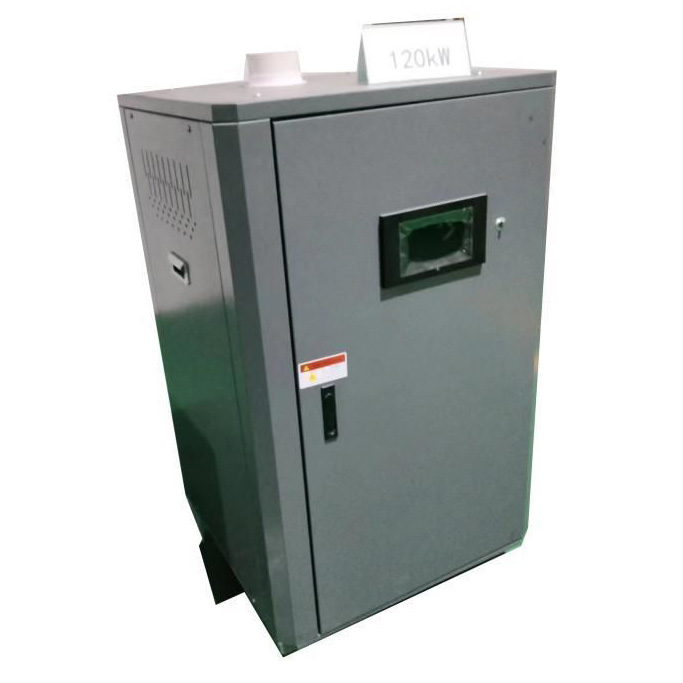
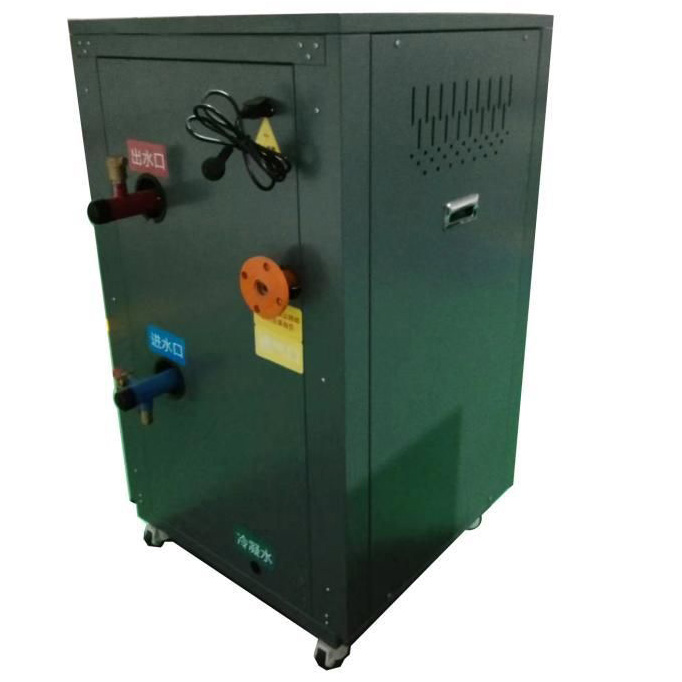
Fully premixed, low-NOx condensing units rely on compact, repeatable cast parts—manifolds, gas valve bodies, and mounts. For context, here’s a quick look at a representative commercial platform that often integrates small iron castings in its fluid path and mounting set.
| Power models | 60 kW, 80 kW, 99 kW, 120 kW |
| Fuel/Tech | Natural Gas; fully premixed, low nitrogen, condensing |
| Install | Floor-standing; compact footprint |
Where they go, and why buyers like them
- HVAC and boilers (burner housings, condensate-safe manifolds)
- Pumps/valves for water treatment; agricultural machinery brackets
- Commercial kitchens and gas appliances needing thermal stability
Advantages? Cost per unit is compelling; vibration damping is excellent; and with modern gating, porosity is tame. Many customers say the best surprise is how quietly small iron castings absorb noise compared with aluminum in similar sizes.
Vendors, MOQs, and what to expect
| Vendor type | Certs | MOQ/Lead | NDT/QA | Indicative cost |
|---|---|---|---|---|
| Hebei foundry (near Shijiazhuang) | ISO 9001, ISO 14001 | ≈ 300–800 pcs; 4–6 wks tooling, 3–5 wks run | MT, pressure, CMM | $1.8–$3.2 for 1 kg gray iron bracket |
| EU specialty caster | IATF 16949, ISO 9001 | ≈ 100–300 pcs; 3–5 wks tooling | MT/UT, PPAP, SPC | $4.5–$7.0 |
| US rapid sand + 3D cores | ISO 9001 | ≈ 10–50 pcs; 1–2 wks | Dimensional report, MT | $9–$15 |
Mini case: school retrofit, tight timeline
A Northern campus swapped legacy boilers for low-NOx condensers before winter. The team localized two small iron castings (gas manifold and pump mount) with 3D-printed cores. Result: 0 tooling reworks, 1.4% scrap, leak-free at 1.5× WP, and—this surprised facilities—12% lower pump noise versus the old aluminum mount.
Compliance and data points
Specs typically cite EN 1561/1563, ASTM A48/A536, microstructure per ISO 945-1, dimensional ISO 8062-3, NDT to ISO 4992-2 (iron). Coatings validated with ASTM B117. Boiler assemblies often reference EN 15502 and regional low-NOx rules. Many shops maintain ISO 9001; automotive programs add IATF 16949. Feedback from buyers: “Dimensional Cpk ≥ 1.33 on bores is realistic with proper fixturing.”
Citations
-
BAC Heat Exchangers: Efficient, Durable Cooling Solutions for Industry
NewsDec.08,2025
-
Cross Flow Condenser Explained – Insights from Industrial Equipment Experts
NewsDec.08,2025
-
Efficient Heating Coils Heat Exchangers for Industrial Thermal Systems
NewsDec.08,2025
-
Liquid Vapour Heat Exchanger – Reliable Industrial Heat Transfer Solutions | Casiting
NewsDec.08,2025
-
Packaged Plate Heat Exchanger Insights | Industrial Equipment Guide
NewsDec.07,2025
-
Refrigeration Shell And Tube Condenser – Durable Industrial Cooling Solutions by Casiting
NewsDec.07,2025