


Oct . 26, 2025 10:25 Back to list
Buy Cast Iron Pipe - Durable, ISO-Certified, Fast Delivery
How to Buy Cast Iron Pipe with Confidence: Specs, Standards, and Real-World Lessons
Cast iron pipe isn’t flashy, but it’s the backbone of quiet, durable infrastructure—wastewater stacks, underground mains, even some gritty industrial lines where PVC just can’t cope. Trends? Surprisingly steady. Urban retrofit work and low-noise building codes keep demand healthy, and—in my experience—buyers now obsess (rightly) over test data and vendor traceability rather than glossy brochures.
A quick industry reality check
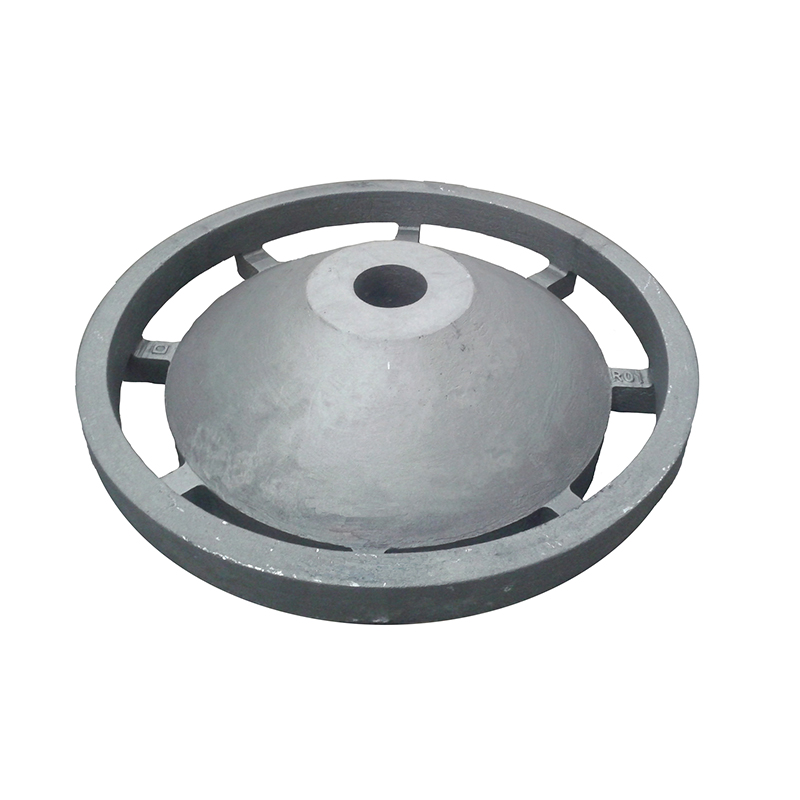
Spec-driven procurement is winning. ASTM A74/EN 877 for gray cast iron soil pipe, ISO 2531/EN 545 for ductile iron water lines—these are the badges you want to see cited in drawings. And, to be honest, the best factories can pivot: the shop floor that pours heavy-duty cast steel parts for mining often also has the metallurgy, molding control, and NDT discipline needed for pipe work.
Process flow (what you actually want to know)
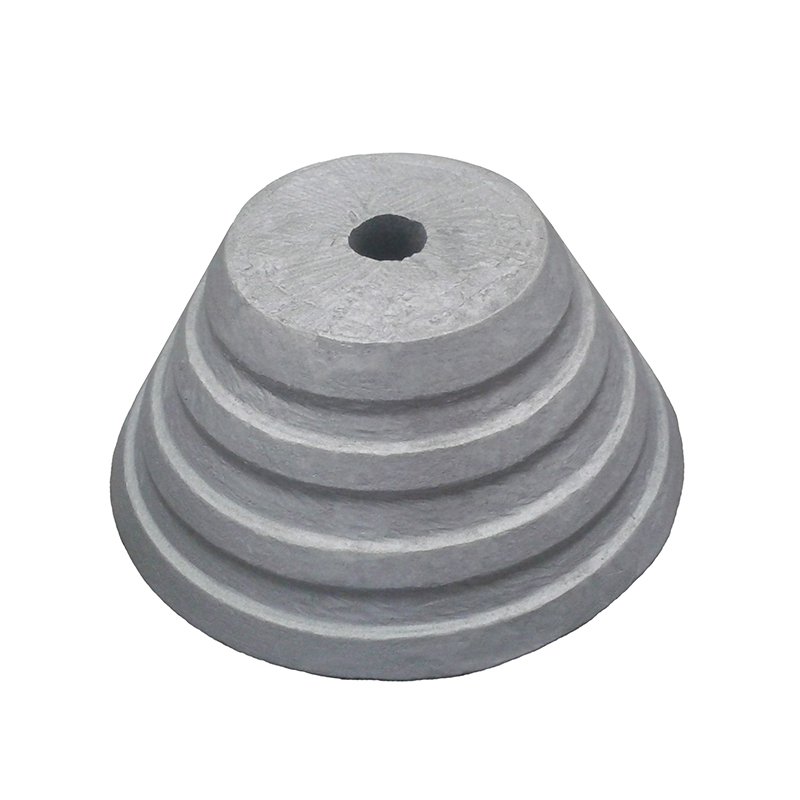
Materials: gray iron for soil stacks; ductile iron (spheroidal graphite) for pressure lines; and yes—cast steel like ZG25 for rugged crusher parts in the same ecosystem. Methods: ester-hardened sodium silicate sand casting, core baking, controlled melt chemistry, precision pouring, shakeout, heat treatment, shot-blast, machining. Testing: spectrochemical analysis, dimensional checks, hydrostatic tests for pipes, ultrasonic/magnetic particle for critical sections, coating adhesion, and—when needed—radiography. Service life? With proper lining/coating and sane installation, cast iron pipe frequently runs 50–100 years; real-world use may vary by soil chemistry and loading.
Representative product specs (factory capability snapshot)
| Factory Origin | RM315, Baihui Building, No.57 Sizhong Road, Qiaoxi District, Shijiazhuang, Hebei, China |
| Material (example) | ZG25 cast steel (also supports gray/ductile iron programs) |
| Casting process | Ester-hardened sodium silicate sand casting; auto-molding line |
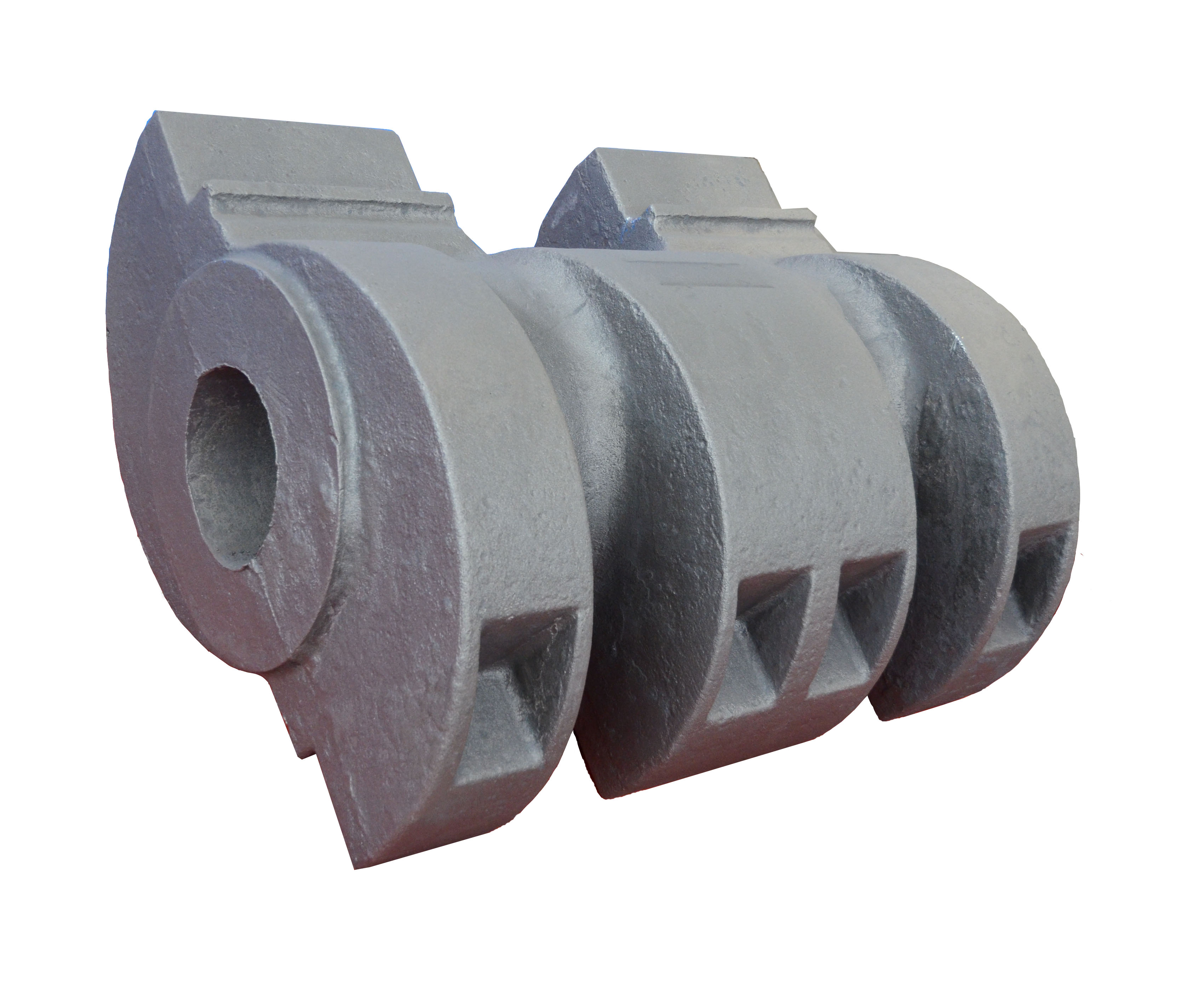
| Unit weight (example) | ≈680 kg (for crusher accessory; pipe sections are lighter) |
| Annual capacity | ≈20,000 t/year; OEM/ODM per drawings |
| Typical mechanicals | ZG25: tensile ≈410–520 MPa, yield ≈245 MPa, hardness ≈130–180 HBW (indicative) |
| Pipe standards supported | ASTM A74/EN 877 (soil), ISO 2531/EN 545/AWWA C151 (ductile pressure) — per project |
Applications and what buyers report
Where it shines: building drainage stacks (low noise), municipal water/wastewater, mining slurry lines (with proper lining), and plant utilities. Many customers say the biggest win is vibration/noise control versus plastic, plus fire performance. I guess the word is “predictable”—cast iron behaves well under thermal swings.
Vendor comparison (what I look at)
| Vendor | Strengths | Watch-outs |
|---|---|---|
| China source factory (auto-molding) | High volume, OEM/ODM, NDT capability, flexible coatings | Clarify standards per batch; confirm hydrotest protocol |
| Trader/integrator | Multi-factory sourcing, logistics bundled | Traceability can be thinner; ask for mill certs |
| Local fabricator | Fast response, easy site support | Cost premium; limited diameter range sometimes |
Customization tips
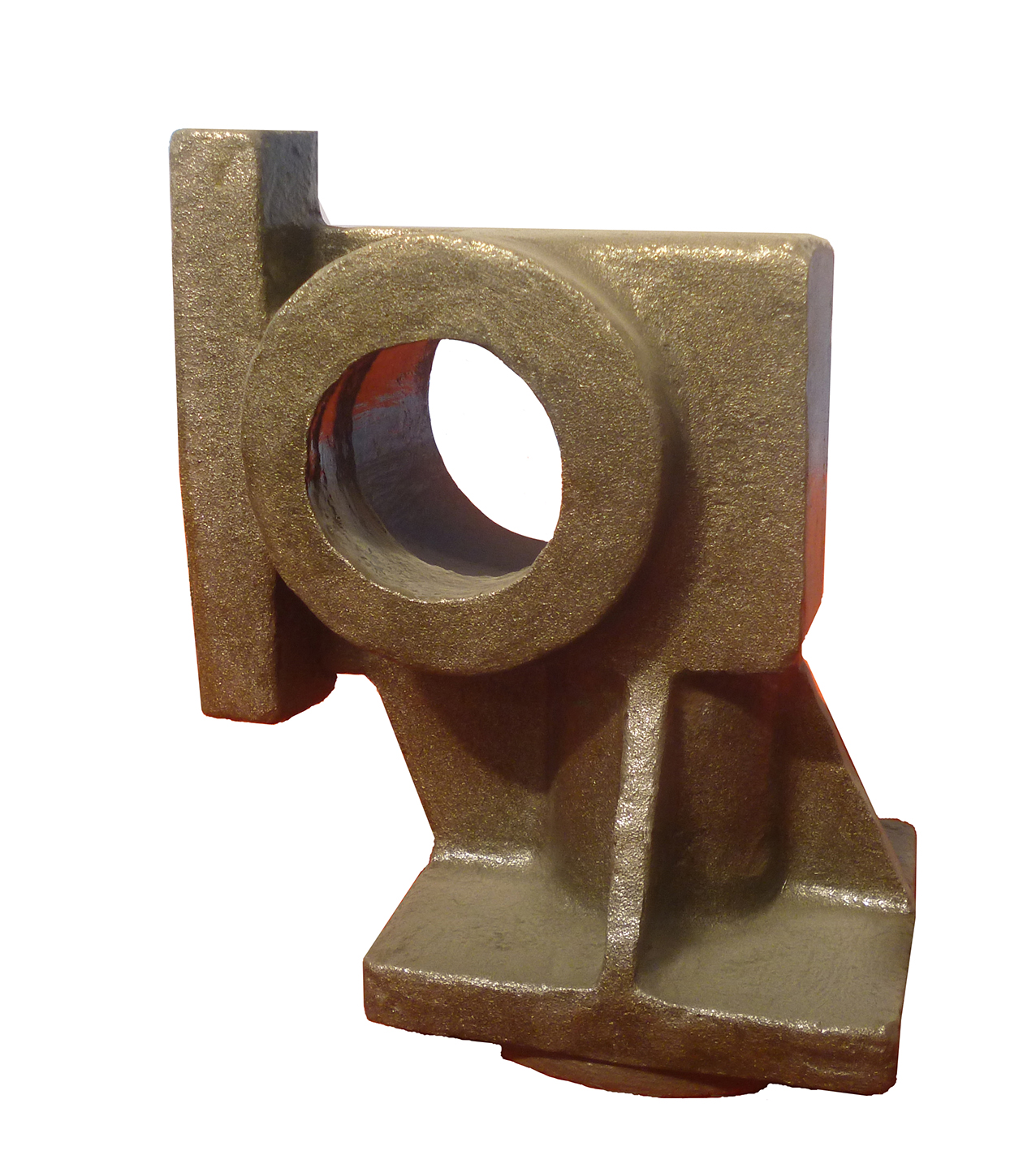
Provide dimensioned drawings, required standard (ASTM A74, EN 877, ISO 2531, etc.), joint type (hub/hubless, push-on, mechanical), coatings (bitumen, epoxy, zinc, cement mortar lining), and test plan: hydrostatic, UT, MT, coating DFT. For large runs, ask for PPAP-style documentation and heat-by-heat chemistry.
Mini case study
A mid-rise retrofit shifted from thin-wall plastic to cast iron stacks; installation took slightly longer, but acoustic complaints dropped around 25–30% per facility logs, and maintenance teams—somewhat surprised—reported fewer bracket failures after 12 months. Not glamorous, just solid.
If you plan to Buy Cast Iron Pipe, insist on documented compliance (CISPI/ASTM/EN/ISO), hydrotest records, and coating certificates. For mining plants, pairing pipe orders with robust cast steel components from the same factory can streamline QA and spares—practical, not hype.
Authoritative references:
- ASTM A74 – Cast Iron Soil Pipe and Fittings, hub and spigot or hubless.
- EN 877 – Cast iron pipes and fittings, requirements and test methods.
- ISO 2531 / EN 545 – Ductile iron pipes, fittings, accessories for water applications.
- AWWA C151 – Ductile-Iron Pipe, Centrifugally Cast, for Water.
- ASTM E1444/E1444M – Magnetic Particle Testing; ASTM A370 – Mechanical Testing of Steel Products.
-
BAC Heat Exchangers: Efficient, Durable Cooling Solutions for Industry
NewsDec.08,2025
-
Cross Flow Condenser Explained – Insights from Industrial Equipment Experts
NewsDec.08,2025
-
Efficient Heating Coils Heat Exchangers for Industrial Thermal Systems
NewsDec.08,2025
-
Liquid Vapour Heat Exchanger – Reliable Industrial Heat Transfer Solutions | Casiting
NewsDec.08,2025
-
Packaged Plate Heat Exchanger Insights | Industrial Equipment Guide
NewsDec.07,2025
-
Refrigeration Shell And Tube Condenser – Durable Industrial Cooling Solutions by Casiting
NewsDec.07,2025