


Sep . 23, 2025 09:15 Back to list
Centrifugally Cast Iron Water Main Pipe | Durable & Reliable
Introduction to High-Performance Cast Iron Piping Systems
In critical infrastructure development, the selection of robust and reliable piping materials is paramount. For decades, cast iron water main pipe has been a cornerstone for municipal water supply and various industrial fluid transfer applications. Its proven longevity, structural integrity, and cost-effectiveness make it a preferred choice over many alternatives. This comprehensive overview delves into the technical aspects, operational advantages, and strategic considerations for deploying modern cast iron piping solutions. We aim to provide B2B decision-makers and engineering professionals with the insights necessary to make informed procurement and implementation decisions, ensuring optimal performance and system longevity for their projects.
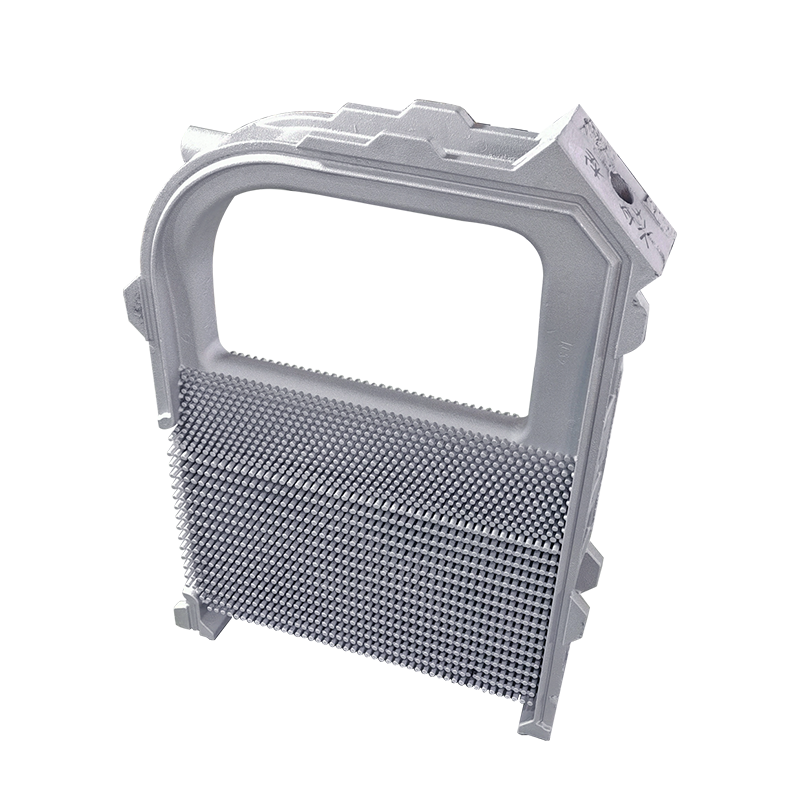
The evolution of materials science and manufacturing processes has significantly enhanced the performance characteristics of modern cast iron products, particularly those produced through advanced casting techniques. These innovations address historical limitations and reinforce its position as a go-to material for demanding environments.
Industry Trends and Market Dynamics
The global market for iron and steel pipes continues to expand, driven by increasing urbanization, industrial growth, and the necessity to replace aging infrastructure. For water distribution networks, the demand for resilient and sustainable piping materials like cast iron water main pipe remains robust. Key trends include the adoption of centrifugally cast iron pipe which offers superior density and uniform wall thickness, leading to enhanced hydraulic efficiency and extended service life. Innovations in protective coatings and joint technologies are also extending application ranges and reducing maintenance costs. Furthermore, there is a growing emphasis on lifecycle assessment (LCA) and environmental sustainability, where cast iron's recyclability and durability contribute positively.
Technological Advancements in Casting
Modern manufacturing leverages precision casting techniques, such as centrifugally cast iron production, which dramatically improves metallurgical properties. This process involves pouring molten iron into a rapidly spinning mold, creating a dense, fine-grained structure free from common casting defects like porosity. This results in pipes with higher tensile strength and impact resistance, crucial for underground infrastructure. The global market size for ductile iron pipes, a direct descendant and often categorized with advanced cast iron, was valued at approximately USD 11.5 billion in 2022 and is projected to grow at a CAGR of over 5% from 2023 to 2032. (Source: Grand View Research).
Detailed Manufacturing Process of Cast Iron Water Main Pipe
The production of a high-quality cast iron water main pipe involves a meticulously controlled process, from raw material selection to final inspection. The emphasis on quality at each stage ensures that the finished product meets stringent industry standards and offers exceptional service life.
Process Flow Overview:
- Material Preparation: High-grade pig iron, steel scrap, and ferroalloys (e.g., ferrosilicon, ferromanganese) are precisely measured and melted in induction furnaces. The molten iron's chemical composition is carefully monitored to achieve the desired metallurgical properties, primarily the specified carbon and silicon content for optimal strength and ductility.
- Centrifugal Casting (De Lavaud Process): This is the primary method for producing seamless cast iron pipes. Molten iron is poured into a rotating metal mold (often water-cooled) that spins at high speeds. Centrifugal force pushes the molten metal against the mold walls, forming a dense, uniform pipe structure. This process eliminates common defects found in static casting, resulting in a superior centrifugally cast iron pipe.
Schematic Step:
- Furnace melts raw materials.
- Molten metal transferred to pouring spout.
- Spout moves into horizontally rotating mold.
- Centrifugal force forms pipe wall.
- Pipe solidifies and is extracted.
- Annealing: Immediately after casting, pipes undergo an annealing heat treatment in a furnace. This process relieves internal stresses, converts carbides into graphite, and enhances the pipe's ductility and machinability, crucial for subsequent processes and long-term performance.
- Finishing and Machining: The pipes are then cut to specified lengths. Ends are precisely machined to create spigot and socket joints, ensuring secure and leak-proof connections. For specific applications, such as for a cast drain pipe or cast iron conduit, external surface machining might be performed.
- External and Internal Coatings: To enhance corrosion resistance and flow characteristics, pipes receive protective coatings. External coatings often include zinc metallic spray followed by a bituminous or epoxy layer. Internal linings typically consist of cement mortar or fusion-bonded epoxy, critical for maintaining water quality and preventing tuberculation in a cast iron water main pipe.
- Hydrostatic Testing: Each pipe undergoes rigorous hydrostatic testing to verify its structural integrity and pressure-bearing capability. Pipes are subjected to internal pressures significantly higher than their working pressure, adhering to standards like ISO 2531 or ANSI/AWWA C151/A21.51. This ensures a leak-free product and a long service life, typically exceeding 100 years.
- Inspection and Certification: Final visual inspections, dimensional checks (including cast iron outside diameter), and non-destructive testing (NDT) are performed. Products are certified to international standards such as ISO 9001 for quality management and relevant product-specific standards. Target industries include municipal water supply & drainage, petrochemical plants, and metallurgy, where energy saving and superior corrosion resistance are critical advantages.
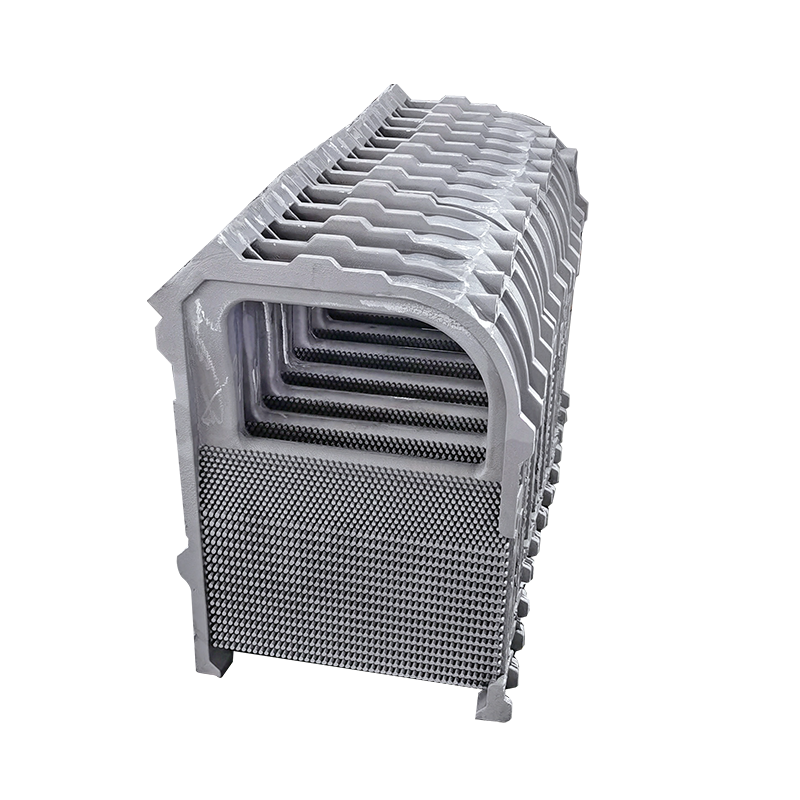
The meticulous adherence to these process steps, coupled with continuous quality control, ensures the production of high-performance pipes capable of meeting the demands of modern infrastructure.
Technical Specifications and Parameters
Understanding the precise technical specifications of cast iron water main pipe is essential for proper system design and material selection. These parameters dictate performance under various operating conditions. Below is a representative table outlining key specifications for modern centrifugally cast iron pipes used in water main applications.
Typical Specifications for Centrifugally Cast Iron Pipes
| Parameter | Description | Typical Value/Standard |
|---|---|---|
| Material | Grey Cast Iron / Ductile Cast Iron | EN 545, ISO 2531, ANSI/AWWA C151/A21.51 |
| Nominal Diameter (DN) | Internal diameter measurement | DN 80 to DN 2000 mm |
| Length | Standard pipe segment length | 6 meters or 5.5 meters (effective) |
| Pressure Rating (PN) | Nominal pressure (bar) | PN 10, PN 16, PN 25, PN 40 |
| Tensile Strength | Resistance to breaking under tension | Min. 420 MPa (for Ductile Iron) |
| Yield Strength | Stress at which material begins to deform plastically | Min. 270 MPa (for Ductile Iron) |
| Elongation | Measure of ductility | Min. 5% (for Ductile Iron) |
| External Coating | Corrosion protection layer | Zinc spray (130-200 g/m²) + Bituminous/Epoxy finish |
| Internal Lining | To prevent tuberculation and maintain water quality | Cement Mortar Lining (CML) or Fusion Bonded Epoxy (FBE) |
| Joint Type | Method of pipe connection | Tyton socket, Mechanical joint, Flanged joint |
These specifications highlight the engineered robustness of modern cast iron pipes, demonstrating why they remain a preferred material for critical water transmission and distribution. Factors such as cast iron outside diameter, wall thickness, and coating type are tailored to specific project requirements, ensuring optimal performance and compliance with local regulations.
Application Scenarios and Technical Advantages
The versatility and durability of modern cast iron piping systems, including cast ductile iron pipe, enable their use across a wide array of demanding applications. From municipal waterworks to industrial facilities, their inherent properties offer significant technical advantages.
Typical Application Areas:
- Municipal Water Supply & Distribution: The primary application for cast iron water main pipe. Its high pressure resistance, long service life, and ability to handle ground movement make it ideal for transporting potable water from treatment plants to urban and rural consumers. The integrity of the internal lining ensures water quality is maintained.
- Wastewater and Drainage Systems: As cast drain pipe and cast iron drain pipes for sale, these are critical for sewage and storm water management. Their robust nature stands up to corrosive effluents and significant hydraulic loads.
- Industrial Applications: Including petrochemical plants, mining operations, and power generation facilities, where the pipes transport raw water, process water, or effluent. The material's resistance to abrasion and chemical inertness (with proper coatings) is highly valued.
- Fire Protection Systems: High-pressure capabilities and resistance to mechanical damage make cast iron pipes excellent for underground fire mains in industrial and commercial complexes.
- Heating and Cooling Circuits: Though less common for main lines, smaller diameter cast iron heating pipes are used in some industrial heating and cooling systems due to their thermal stability and durability.
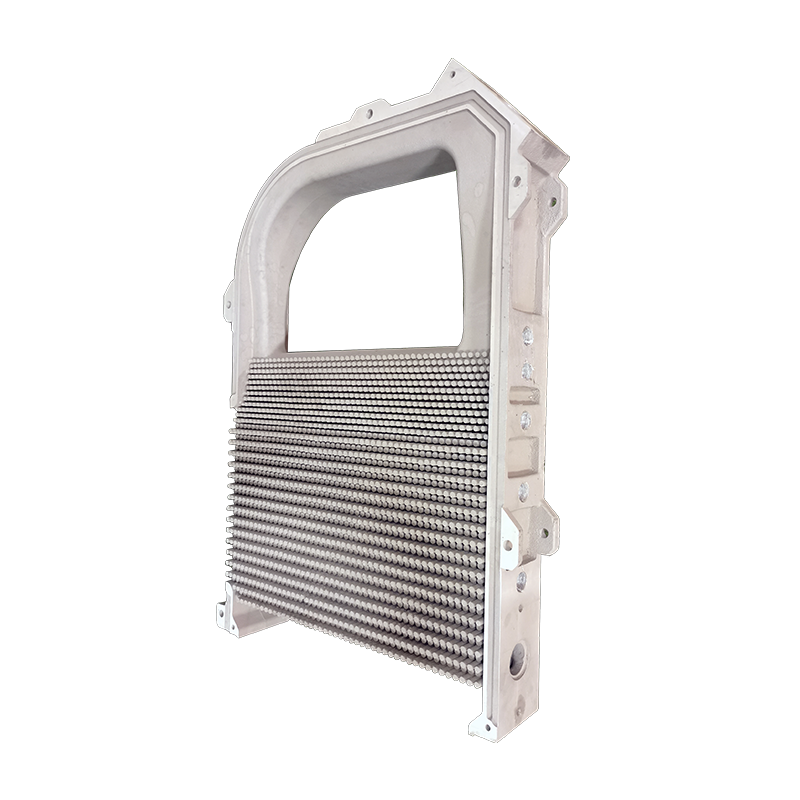
Technical Advantages:
- Exceptional Longevity: With a projected service life of over 100 years, modern cast iron pipes significantly reduce the frequency and cost of infrastructure replacement. This long-term reliability is a key factor in calculating total cost of ownership (TCO).
- High Strength and Impact Resistance: Especially cast ductile iron pipe, which offers superior resistance to external loads, earth movement, and unexpected impacts during installation or operation. This minimizes the risk of catastrophic failure.
- Corrosion Resistance: Advanced internal linings (e.g., cement mortar or epoxy) and external coatings (e.g., zinc metallic spray with bitumen) provide robust protection against both internal and external corrosive agents, extending the pipe's life in aggressive soil conditions or with varying water chemistries.
- Energy Saving through Efficient Flow: The smooth internal lining of cement mortar reduces friction losses, leading to lower pumping energy requirements and significant operational cost savings over the pipeline's lifespan. The Hazen-Williams coefficient for CML-lined ductile iron pipes is typically 140, indicating excellent hydraulic characteristics.
- Ease of Installation: Modern push-on joint systems (like Tyton) allow for rapid and flexible installation, even in challenging terrains, reducing labor costs and project timelines.
- Sustainability: Cast iron is 100% recyclable, contributing to a circular economy and reducing environmental impact.
These advantages position cast iron water main pipe as a highly reliable and economically sound choice for critical infrastructure projects, offering unparalleled performance and value.
Vendor Comparison and Customized Solutions
Choosing the right supplier for cast iron water main pipe is as crucial as selecting the material itself. A comprehensive vendor comparison should evaluate not only product specifications but also manufacturing capabilities, certification, after-sales support, and the ability to offer customized solutions.
Key Criteria for Vendor Evaluation:
| Criterion | Importance | Details to Evaluate |
|---|---|---|
| Product Quality & Standards | Critical | ISO 2531, EN 545, ANSI/AWWA certifications, material consistency, defect rates. |
| Manufacturing Capacity | High | Ability to meet volume demands, lead times, production technologies (e.g., centrifugally cast iron). |
| Customization Options | Medium-High | Special coatings, non-standard lengths or cast iron outside diameter, specific joint configurations. |
| Technical Support & Expertise | High | Engineering support, design assistance, installation guidance, problem-solving capabilities. |
| Logistics & Delivery | High | Reliable lead times, efficient shipping methods, global distribution networks. |
| Pricing & Value Proposition | Medium | Competitive pricing, TCO analysis, warranty terms, financing options. |
Customized Solutions: Tailoring to Project Needs
Leading manufacturers understand that every project has unique requirements. Beyond standard pipe offerings, the ability to provide customized solutions is a significant differentiator. This includes:
- Specific Coatings and Linings: For highly corrosive environments or specific water quality standards, bespoke internal or external coatings can be developed (e.g., enhanced epoxy for extreme pH, specialized anti-microbial linings).
- Non-Standard Dimensions: Projects may require particular pipe lengths or unique cast iron outside diameter dimensions to integrate with existing infrastructure or specialized equipment.
- Specialty Fittings and Connections: Adapters for dissimilar materials, specific bends, or custom flange drilling patterns can be manufactured to ensure seamless system integration.
- Enhanced Pressure Ratings: For unusually high-pressure applications, pipes can be engineered with increased wall thickness or higher-grade iron alloys.
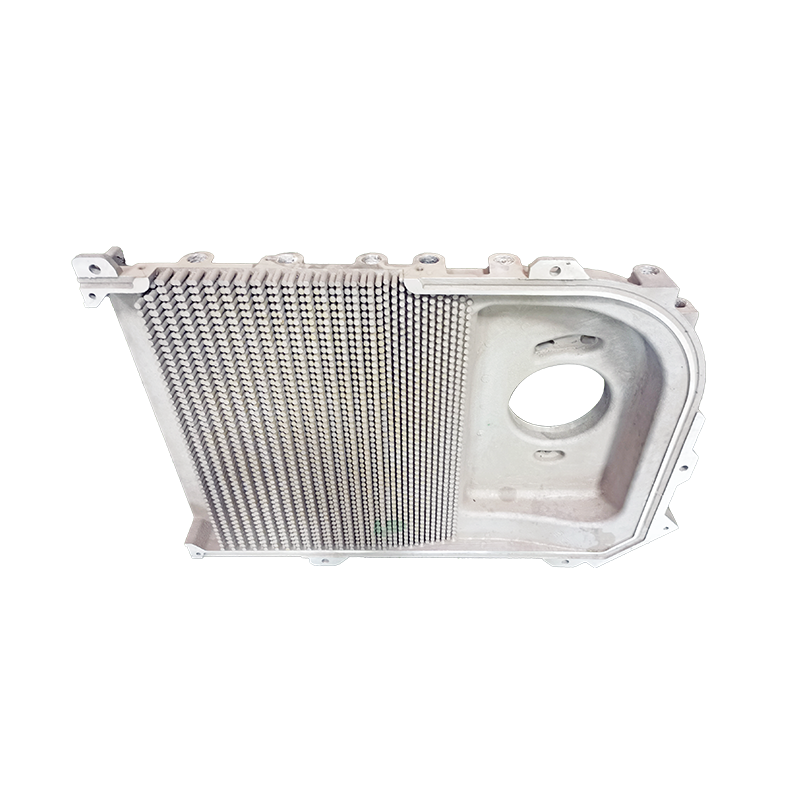
When you buy cast iron pipe, partnering with a vendor that demonstrates flexibility and technical prowess in delivering such bespoke solutions can significantly mitigate project risks and optimize long-term operational performance.
Application Case Studies: Proving Reliability
Real-world applications demonstrate the enduring value and reliability of cast iron water main pipe. These case studies highlight successful implementations and the benefits realized by various clients in diverse environments.
Case Study 1: Urban Water Main Replacement Project
- Client: Major Metropolitan Water Authority
- Challenge: An aging network of cast iron pipes, some over 80 years old, was experiencing increased leakage rates and reduced hydraulic capacity, leading to significant water losses and maintenance costs.
- Solution: Replacement of 15 km of DN 600 centrifugally cast iron pipe (ductile iron) with cement mortar lining and zinc/bitumen external coating. Pipes were supplied in 6-meter lengths with Tyton push-on joints for quick installation in dense urban areas.
- Outcome: The project was completed ahead of schedule, with minimal disruption to traffic. Post-installation testing showed zero leaks, and hydraulic performance significantly improved, leading to a projected 20% reduction in water losses for the covered area. The expected service life of the new mains is over 100 years, providing long-term reliability and reducing future capital expenditure. Customer feedback highlighted the ease of handling and robustness of the pipes during installation.
Case Study 2: Industrial Effluent Discharge Line
- Client: Large Petrochemical Complex
- Challenge: An existing mild steel pipeline for discharging treated industrial effluent was corroding rapidly due to the aggressive chemical nature of the fluid, requiring frequent repairs and posing environmental risks.
- Solution: Installation of 2 km of DN 400 cast ductile iron pipe with a specialized fusion-bonded epoxy (FBE) internal lining and a heavy-duty external coating for enhanced chemical and soil corrosion resistance.
- Outcome: The cast iron outside diameter and specific lining ensured excellent resistance to the effluent's pH variations and chemical composition. After three years of operation, inspections showed no signs of internal corrosion or external degradation. The robust nature of the pipes also provided superior resistance to ground vibrations from adjacent heavy machinery, ensuring operational continuity and environmental compliance. This project underscored the material’s advantage in corrosive industrial settings.
Frequently Asked Questions (FAQ)
Q: What is the typical service life of a modern cast iron water main pipe?
A: Modern centrifugally cast iron pipes, especially ductile iron, are designed for an operational service life exceeding 100 years. This longevity is supported by advanced manufacturing processes, robust internal linings, and external coatings that provide exceptional corrosion resistance.
Q: How does cast iron pipe compare to PVC or HDPE in terms of performance?
A: While PVC and HDPE offer advantages in specific scenarios, cast iron (especially ductile iron) provides superior strength, pressure resistance, and resistance to external damage from ground movement or heavy loads. It also has a longer documented service history in main line applications. For large diameter, high-pressure, or critical infrastructure, cast iron is generally preferred due to its inherent rigidity and durability. The cast iron outside diameter is crucial for ensuring compatibility and structural integrity in comparison to other materials.
Q: Are cast iron pipes environmentally friendly?
A: Yes, cast iron is 100% recyclable, making it an environmentally sustainable choice. The energy used in its production can be significantly offset by its extremely long service life and the ability to reclaim and reuse the material at the end of its operational period. This positions it favorably in lifecycle assessments.
Q: What is the typical lead time for ordering cast iron water main pipe?
A: Lead times can vary depending on order volume, specific pipe dimensions, and customization requirements. Standard products typically have a lead time of 4-8 weeks, while highly customized orders may require 10-14 weeks. We recommend consulting directly with our sales team for precise lead time estimates for your specific project.
Q: What kind of warranty and customer support do you offer?
A: We stand behind the quality of our products with a comprehensive warranty against manufacturing defects, typically for a period of 5 years from the date of delivery. Our dedicated customer support team provides technical assistance, installation guidance, and prompt resolution for any product-related inquiries. We also offer on-site support for large projects and specialized training for installation teams, ensuring you buy cast iron pipe with confidence.
Conclusion
The advancements in manufacturing and material science have solidified the position of cast iron water main pipe as a superior choice for critical water infrastructure. Its unparalleled longevity, exceptional strength, advanced corrosion protection, and hydraulic efficiency make it an investment that delivers long-term value and reliability. By understanding the detailed technical specifications, leveraging customized solutions, and partnering with reputable manufacturers, B2B stakeholders can confidently deploy cast iron piping systems to meet the demanding requirements of modern urban and industrial environments.
References
- ISO 2531:2009. Ductile iron pipes, fittings, accessories and their joints for water applications. International Organization for Standardization.
- ANSI/AWWA C151/A21.51-17. American National Standard for Ductile-Iron Pipes, Centrifugally Cast, for Water. American Water Works Association.
- EN 545:2010. Ductile iron pipes, fittings, accessories and their joints for water pipelines - Requirements and test methods. European Committee for Standardization.
- Grand View Research. Ductile Iron Pipe Market Size, Share & Trends Analysis Report By Diameter, By Application, By Region, And Segment Forecasts, 2023 - 2032.
- Ductile Iron Pipe Research Association (DIPRA). Various technical publications on design and installation of ductile iron pipe.
-
BAC Heat Exchangers: Efficient, Durable Cooling Solutions for Industry
NewsDec.08,2025
-
Cross Flow Condenser Explained – Insights from Industrial Equipment Experts
NewsDec.08,2025
-
Efficient Heating Coils Heat Exchangers for Industrial Thermal Systems
NewsDec.08,2025
-
Liquid Vapour Heat Exchanger – Reliable Industrial Heat Transfer Solutions | Casiting
NewsDec.08,2025
-
Packaged Plate Heat Exchanger Insights | Industrial Equipment Guide
NewsDec.07,2025
-
Refrigeration Shell And Tube Condenser – Durable Industrial Cooling Solutions by Casiting
NewsDec.07,2025