


Oct . 06, 2025 00:20 Back to list
Buy Cast Iron Pipe at Factory Price with Fast Delivery?
Practical Buyer’s Guide: When (and Where) to buy cast iron pipe
If you work in building drainage, municipal rehab, or plant utilities, you already know the cast iron vs. plastic debate never ends. Lately, demand is nudging up again for classic cast and ductile solutions—fire safety, acoustic performance, and real-world durability are driving it. To be honest, the most frequent request I get is simple: where to source reliably, without paying luxury-brand markups. That’s what this quick field note is about.
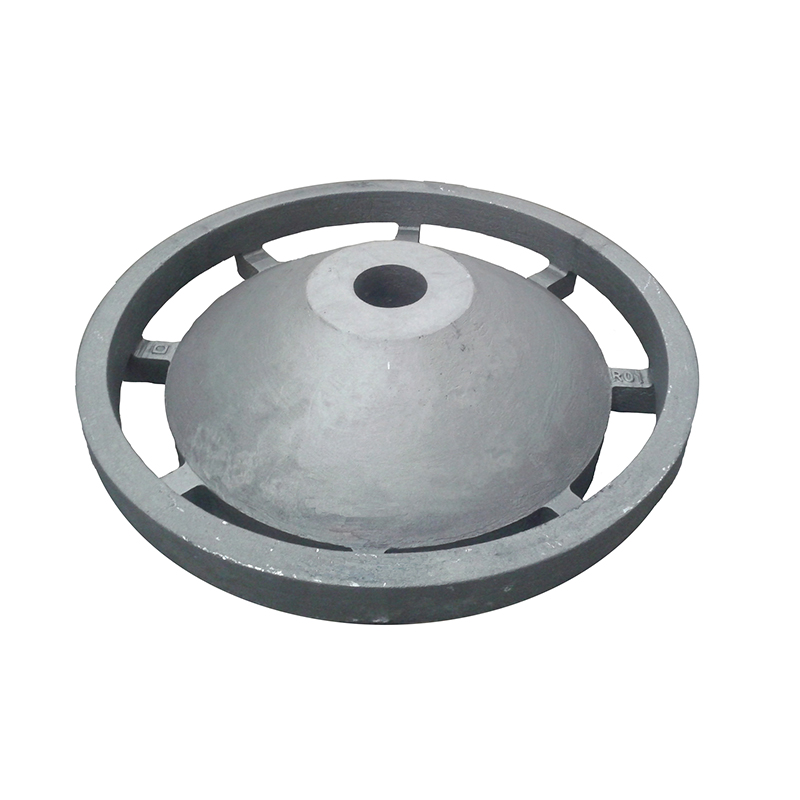
Industry trends and where cast iron still wins
- Building drainage (hotel, hospital, schools): low noise stacks, excellent fire resistance, easy retrofit with couplings.
- Municipal water and sewer: ductile iron for pressure mains (PN10–16) and long service life; resilience against ground movement.
- Industrial plants: hot effluent, abrasion, and chemical splash zones where plastics suffer.
Many contractors tell me the acoustic advantage alone is worth it. And surprisingly, logistics costs have become more predictable in 2025, which helps specs stick.
Spec snapshot (what most buyers check first)
| Material options | Gray cast iron (ASTM A74/A888, EN 877); Ductile iron EN-GJS-500-7 (ISO 2531, AWWA C151) |
| Nominal sizes | DN50–DN300 (building); DN80–DN1200 (municipal) |
| Wall thickness | ≈ 3.5–8.0 mm (building) and standard series for water mains; real-world use may vary |
| Joints | Hubless with stainless couplings; Hub & Spigot; Push-on (TYTON) for ductile; Flanged |
| Coatings | Bitumen, epoxy (≈70–200 μm), zinc+bitumen for buried ductile |
| Pressure class | PN10/PN16 typical; hydrostatic tests to spec |
| Tensile strength | Ductile ≈ 420 MPa; Gray iron ≈ 200 MPa |
| Service life | 50–100 years with correct installation and soil conditions |
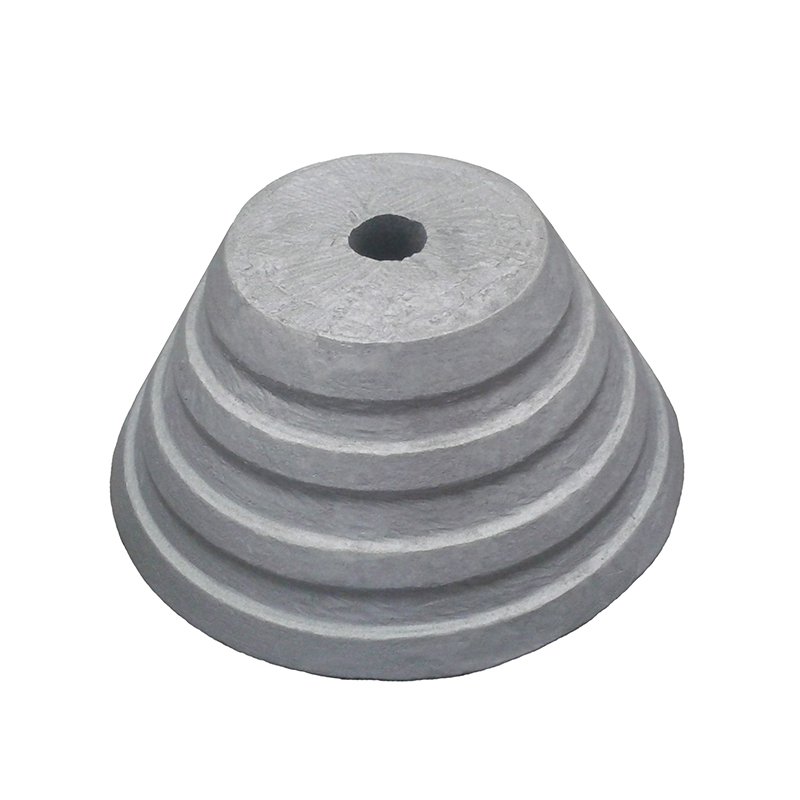
How it’s made (short version)
Materials: pig iron + steel scrap + alloying; for ductile, Mg treatment for nodularity. Methods: centrifugal casting for pipe bodies (smooth bore, concentric), sand casting for fittings. Heat treatment: normalizing/annealing for ductile. QA: spectrometer chemical analysis, ultrasonic thickness, hydrostatic 1.5× design, coating DFT gauge, salt-spray where specified.
Recent lot notes (example data): DN200 ductile, hydrostatic test 24 bar/10 min, no leakage; coating DFT 120–160 μm epoxy; zinc ≈130 g/m²; hardness 170–210 HB; elongation ≥10% (EN-GJS-500-7). Standards followed: ASTM A888/EN 877 for building, ISO 2531/AWWA C151 for water mains.
Vendor comparison (from recent bids)
| Vendor | Strengths | Lead time | Certs | Price |
|---|---|---|---|---|
| China source factory (Shijiazhuang, Hebei) | OEM/ODM, flexible molds, 20,000 t/yr capacity, auto molding line | 3–6 weeks | ISO 9001; third-party tests by SGS/BV on request | $$ (value) |
| Regional distributor | Local stock, fast delivery | 1–7 days | UL/FM for some lines | $$$ |
| Global brand mill | Comprehensive catalog, global QA | 6–10 weeks | UL/FM/WRAS, etc. | $$$$ |
Case note and customer feedback
A hospital retrofitted 14 floors with EN 877 DN100–DN200. Acoustic readings dropped ≈6–8 dB vs. PVC stacks. Installer feedback: “Fewer hangers than we expected; couplings were forgiving.” Not scientific, but it lines up with what many customers say.
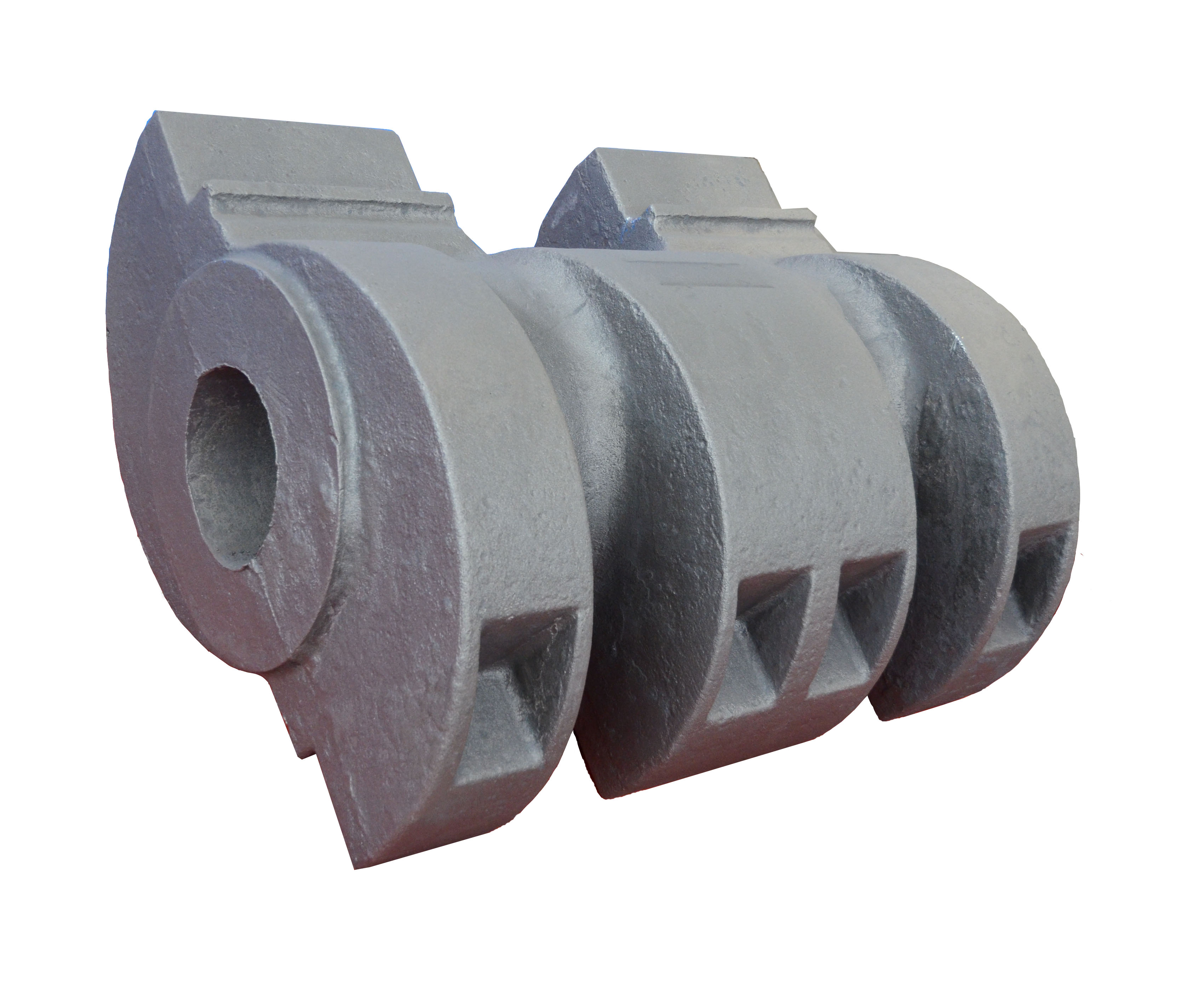
Related product spotlight (factory capability)
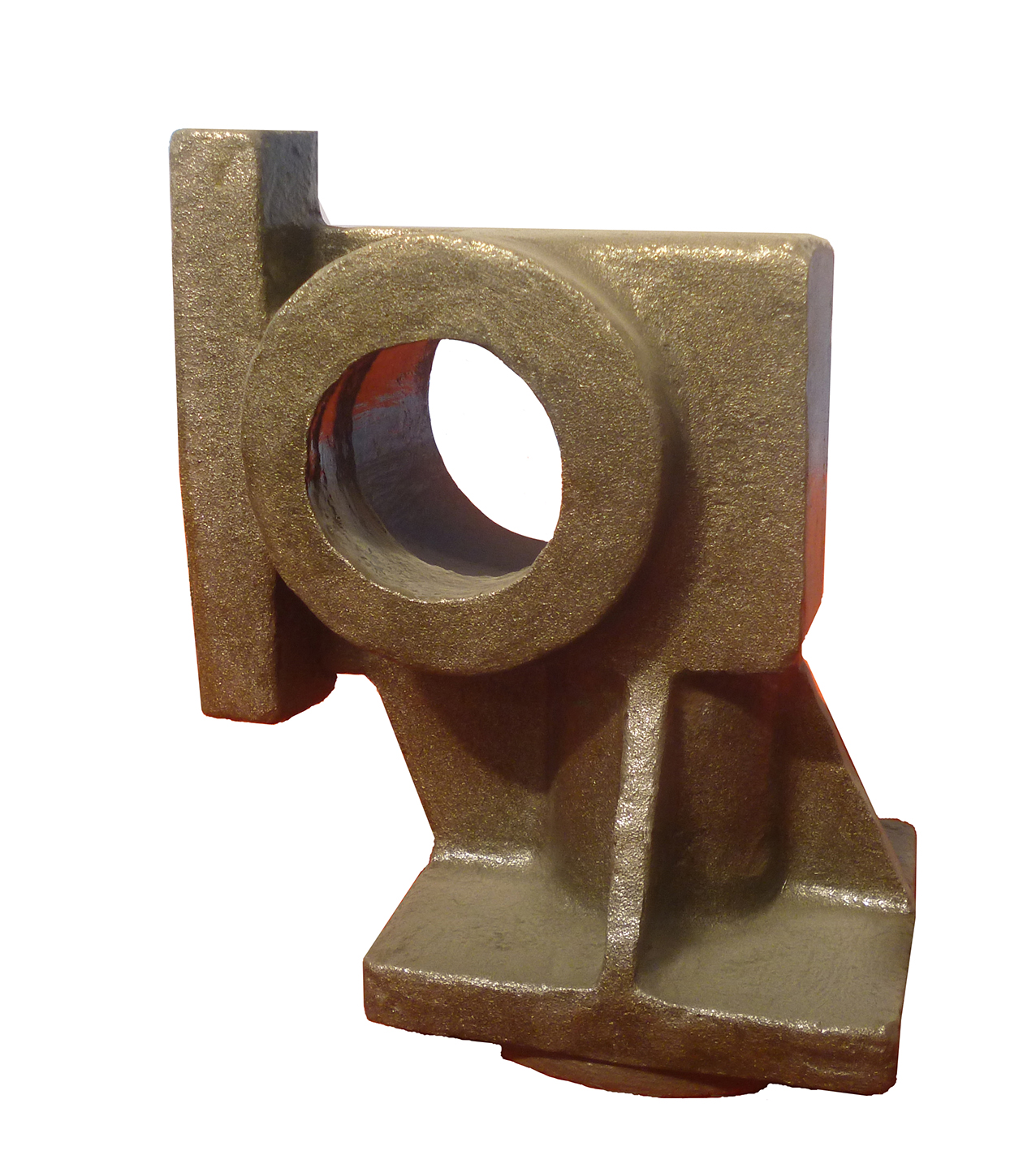
Accessory for Coal/Mine Crusher, cast steel ZG25, unit weight ≈680 kg, ester-hardened sodium silicate sand casting, from RM315, Baihui Building, No.57 Sizhong Road, Qiaoxi District, Shijiazhuang, Hebei, China. Auto molding production line, productivity around 20,000 t/year, OEM/ODM per drawings. Why mention this? Because shops that manage heavy cast steel parts tend to hold tighter metallurgical and NDT discipline on pipe and fittings too.
Buying tips
- Ask for mill certs + hydrostatic and coating DFT reports.
- Confirm standards (ASTM A888/EN 877 for buildings; ISO 2531/AWWA C151 for mains).
- For seismic zones, consider restrained joints on ductile runs.
- For renovations, measure coupling OD tolerance; it matters more than you think.
If you need to buy cast iron pipe for a mixed-use building, I’d spec EN 877 hubless with EPDM couplings. For buried water, buy cast iron pipe as ductile per ISO 2531, zinc+bitumen coating, PN16 where budget allows. And yes, you can buy cast iron pipe with custom lengths to trim joints—ask your vendor.
Citations
- ASTM A888: Hubless Cast Iron Soil Pipe and Fittings
- EN 877: Cast iron pipe systems for buildings
- ISO 2531: Ductile iron pipes, fittings, accessories for water
- AWWA C151/C150: Ductile-Iron Pipe, Design and Manufacturing
- CISPI 301: Hubless cast iron soil pipe and fittings dimensions
-
BAC Heat Exchangers: Efficient, Durable Cooling Solutions for Industry
NewsDec.08,2025
-
Cross Flow Condenser Explained – Insights from Industrial Equipment Experts
NewsDec.08,2025
-
Efficient Heating Coils Heat Exchangers for Industrial Thermal Systems
NewsDec.08,2025
-
Liquid Vapour Heat Exchanger – Reliable Industrial Heat Transfer Solutions | Casiting
NewsDec.08,2025
-
Packaged Plate Heat Exchanger Insights | Industrial Equipment Guide
NewsDec.07,2025
-
Refrigeration Shell And Tube Condenser – Durable Industrial Cooling Solutions by Casiting
NewsDec.07,2025