


Oct . 18, 2025 11:10 Back to list
Cast Iron Water Main Pipe – Durable, ISO-Certified, Fast Ship
Why the cast iron water main pipe still anchors modern water networks
Walk any older city block and you’re walking above a century of infrastructure decisions—some brilliant, some… let’s say “optimistic.” In water distribution, the term most operators still use is cast iron water main pipe, though the modern reality is usually ductile iron. Semantics aside, the category keeps evolving quietly but decisively. And yes, I’ve seen more than a few crews switch back from plastic after transient pressure events. It happens.
Industry trends (what utilities whisper about)
- Ductile iron dominates heavy-duty mains; PVC/HDPE win some distribution lines. Resilience under surge keeps iron in play.
- Climate resilience and fire-flow security push pressure classes PN16–PN25 and restrained joints.
- Corrosion control is smarter: zinc-aluminum thermal spray, epoxy systems, and PE encasement per AWWA C105.
- Traceability and third-party certs (ISO 9001, NSF/ANSI 61) are increasingly non-negotiable.
Materials and process (quick but real)
Base iron (low-phosphorus) + controlled scrap, nodularized with Mg alloy, centrifugal casting for pipe bodies, then annealing for toughness. Outside: zinc-aluminum or bitumen; inside: cement-mortar lining per AWWA C104 or potable-grade epoxy. Hydrostatic test typically ≈ 2.5 MPa (≈ 362 psi) for each length; dimensional checks and holiday testing on coatings. Service life? In favorable soils and with correct protection—50 to 100+ years, realistically.
Typical specifications (field-proven ranges)
| Parameter | Spec (≈ real-world) |
|---|---|
| Diameter | DN100–DN1200 (4"–48") |
| Pressure class | PN10/16/25; AWWA thickness classes (e.g., CL 350) |
| Joints | Push-on (TYTON), mechanical, flanged, restrained |
| Internal lining | Cement-mortar (AWWA C104) or epoxy for specialty water |
| External coating | Zinc/Al-Zn + bitumen/epoxy; PE encasement per AWWA C105 |
| Standards | AWWA C150/C151, C104, C111; ISO 2531; EN 545 |
Use-cases: municipal distribution, raw-water transmission, industrial cooling loops, fire mains. Many operators say the restrained push-on joint is a lifesaver when space is tight and timelines are tighter.
Vendor snapshot (what to compare beyond price)
| Criteria | Vendor A | Vendor B | Vendor C |
|---|---|---|---|
| Certifications | ISO 9001, NSF 61 | ISO 9001/14001 | ISO 9001, WRAS |
| Coatings/Linings | Al-Zn + epoxy; C104 | Zinc + bitumen; C104 | Fusion-bonded epoxy; potable epoxy |
| Lead time | 4–6 weeks | 6–10 weeks | Stock on common sizes |
| Customization | OEM OD/joint variants | Special linings | Fittings & specials |
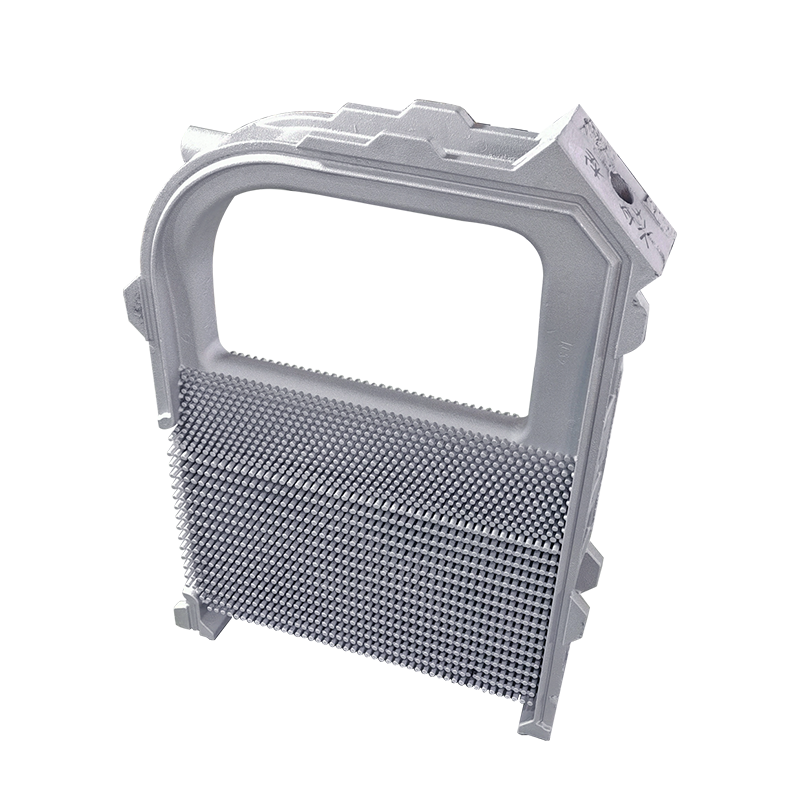
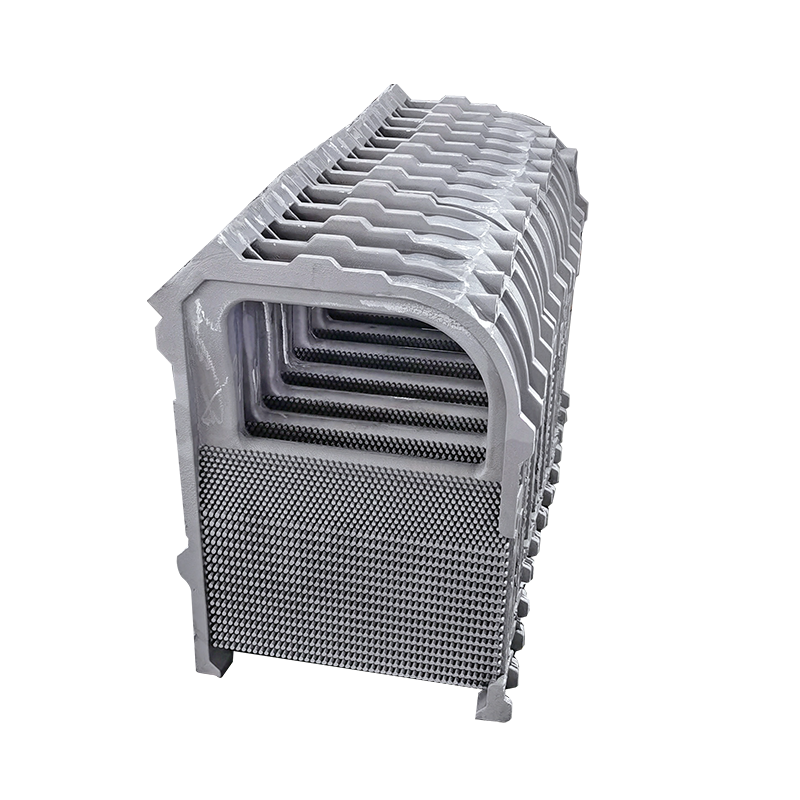
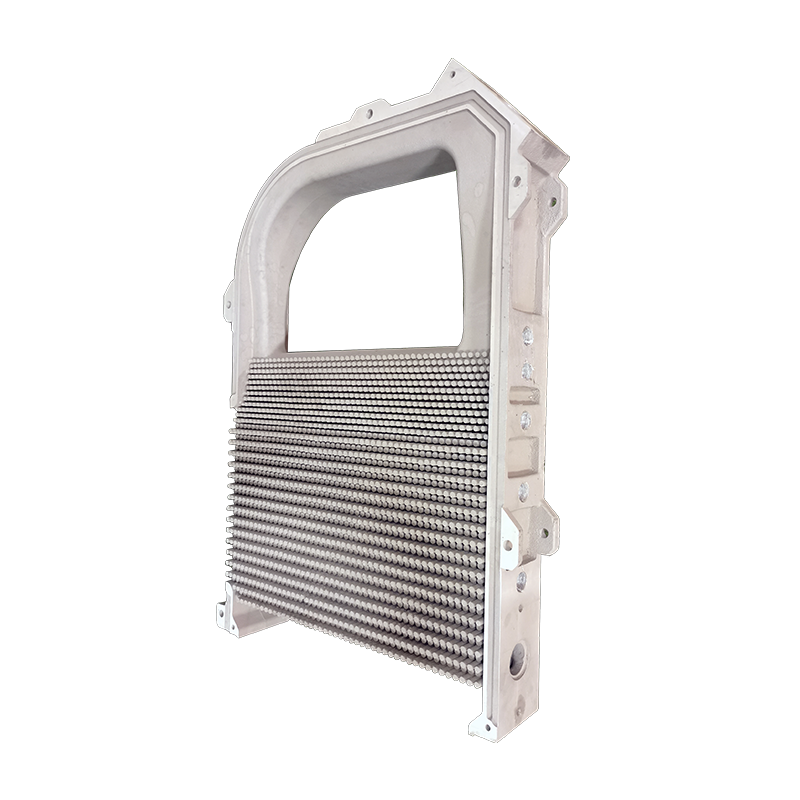
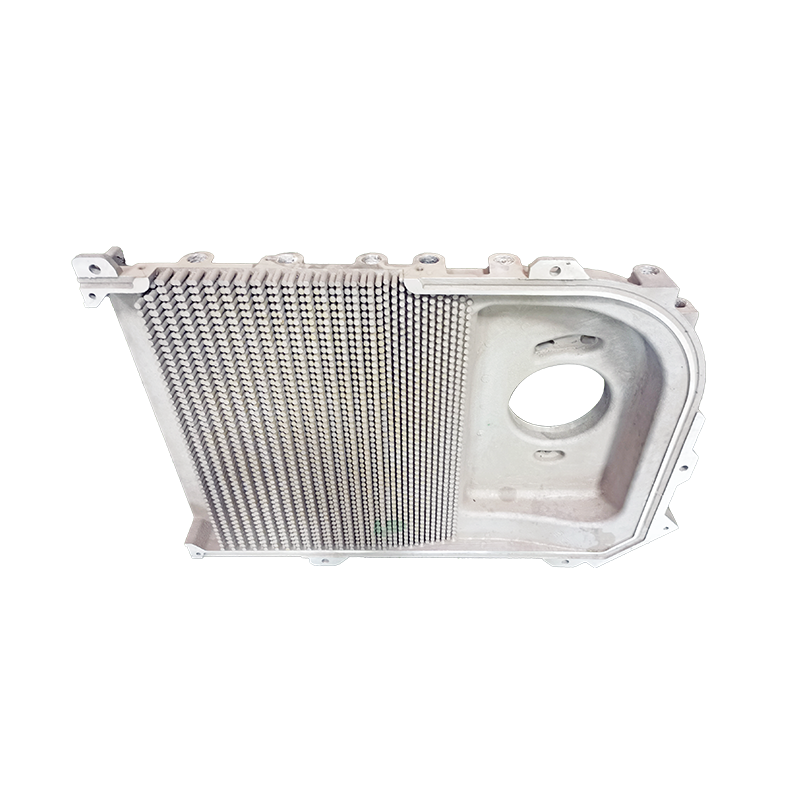
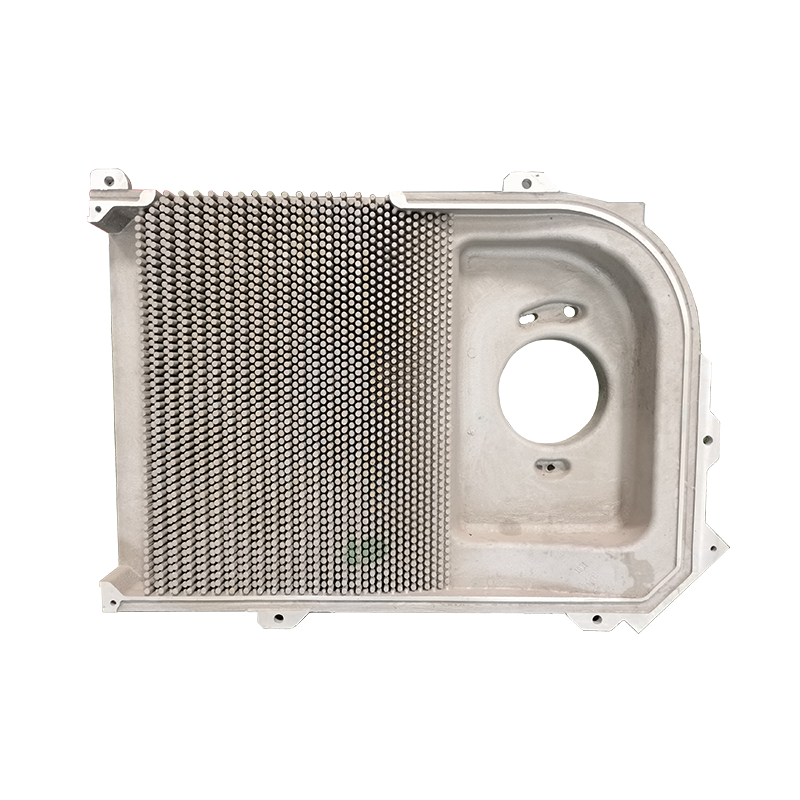
Customization to watch: flanged specials, restrained joint transitions, and lining changes for chloramine or desalinated water. A quick aside: foundries capable of clean, thin-wall aluminum-silicon castings (like low-pressure sand casting radiators/exchangers) typically run disciplined melt control—good sign when you’re betting on consistency. One such operation lists an origin at RM315, Baihui Building, No.57 Sizhong Road, Qiaoxi District, Shijiazhuang, Hebei, China—useful context when validating supply chains.
Field notes and feedback
- “Restrained push-on saved excavation time by a full day.”
- “Al-Zn coating plus PE sleeve held up in mildly aggressive clay—zero coating holidays on inspection.”
- “Hydrotest at 350 psi passed on first go; leakage well below AWWA C600 allowance.”
A quick case: coastal utility swapped aging grey iron for cast iron water main pipe (ductile) PN25 with epoxy interior. After 24 months, NRW dropped ≈ 11%, mostly from better joints and surge tolerance. Not flashy, but solid.
Testing, standards, and documentation
Ask for hydrostatic test certificates (per AWWA C151/EN 545), coating holiday reports, lining batch certs, and NSF/ANSI 61 or WRAS approvals for potable service. Installation to AWWA C600, with thrust restraint design, is still the playbook. For corrosive soils, PE encasement (AWWA C105) and a proper soil survey beat guesswork.
- AWWA C150/C151 Ductile-Iron Pipe Design & Manufacturing
- AWWA C104 Cement–Mortar Lining for Ductile-Iron Pipe
- AWWA C111 Rubber-Gasket Joints for Ductile-Iron Pressure Pipe
- AWWA C600 Installation of Ductile-Iron Water Mains
- ISO 2531 and EN 545 Ductile Iron Pipes, Fittings, Accessories for Water
-
BAC Heat Exchangers: Efficient, Durable Cooling Solutions for Industry
NewsDec.08,2025
-
Cross Flow Condenser Explained – Insights from Industrial Equipment Experts
NewsDec.08,2025
-
Efficient Heating Coils Heat Exchangers for Industrial Thermal Systems
NewsDec.08,2025
-
Liquid Vapour Heat Exchanger – Reliable Industrial Heat Transfer Solutions | Casiting
NewsDec.08,2025
-
Packaged Plate Heat Exchanger Insights | Industrial Equipment Guide
NewsDec.07,2025
-
Refrigeration Shell And Tube Condenser – Durable Industrial Cooling Solutions by Casiting
NewsDec.07,2025